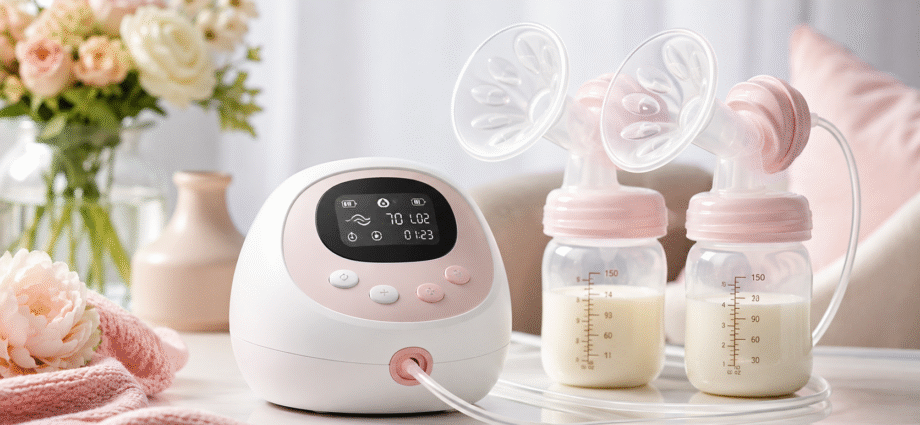
Choosing a breast pump can feel like a bigger decision than expected, especially when comfort, milk supply, portability, and daily routine all matter at the same time. The Spectra breast pump has become a popular choice among many breastfeeding and pumping parents because it combines adjustable suction, quiet operation, and practical features designed for regular use. Whether someone plans to pump occasionally, return to work, build a freezer supply, or pump several times each day, understanding how the device works can make the whole experience easier. A good breast pump should not only remove milk effectively but also feel manageable during busy days, late-night sessions, and periods when pumping becomes part of a long-term routine.
What Is a Spectra Breast Pump?
A Spectra breast pump is an electric breast pump designed to express breast milk through controlled suction cycles. Spectra offers different models, but many of them share useful features such as adjustable vacuum strength, multiple cycle settings, a massage mode, and a closed pumping system. The closed system is especially helpful because it creates a barrier between the milk and the pump motor, which can support cleaner everyday use. Rather than relying on one fixed suction level, users can adjust the pump according to their comfort and milk flow. This flexibility matters because every person’s pumping response is different, and a setting that works well for one user may feel uncomfortable or ineffective for another.
Why Many Parents Choose Spectra
One of the biggest reasons people consider a Spectra breast pump is the balance between strength and comfort. A stronger pump does not always mean a better pumping session, and excessive suction can actually make pumping painful. Spectra pumps allow users to change the suction and cycle speed gradually, making it easier to find a rhythm that feels natural. Many models are also known for relatively quiet operation, which can be useful when pumping at night, at work, or near a sleeping baby. Features such as timers, backlit displays, memory settings, and rechargeable batteries on certain models can also make daily pumping more convenient. These small details often become more important once pumping is repeated several times a day.
Understanding Massage Mode and Expression Mode
Most Spectra pumps include a massage mode and an expression mode. Massage mode uses faster, lighter suction that is intended to encourage the milk let-down response. Once milk begins flowing, many users switch to expression mode, which usually uses slower cycles with stronger suction. The goal is not to immediately select the highest vacuum level. Instead, users often get better results by increasing suction slowly while remaining comfortable. Pumping should feel like firm pulling rather than sharp pain. If discomfort develops, lowering the vacuum or checking the flange size may help. Learning how to move between these modes can improve efficiency, especially for people who need time to trigger let-down.
The Importance of Choosing the Right Flange Size
The flange is the funnel-shaped part that fits over the breast, and its size can significantly affect comfort and pumping performance. A flange that is too small may cause rubbing, pinching, or nipple soreness, while one that is too large may pull too much breast tissue into the tunnel. When using a Spectra breast pump, the nipple should generally move freely inside the flange tunnel without excessive friction. Correct sizing can sometimes improve milk output simply because the body is more relaxed and milk can flow more easily. Since breast and nipple size can change during the breastfeeding journey, it may be useful to reassess flange fit if pumping suddenly becomes uncomfortable or less productive.
How to Use a Spectra Breast Pump Effectively
Before starting, wash your hands and assemble the pump according to the manufacturer’s instructions. Centre the flange over the nipple and begin with a gentle setting. Many people start in massage mode and then move to expression mode after milk begins to flow. Adjust the suction gradually until it feels effective but still comfortable. Try to sit in a relaxed position because tension can sometimes make milk release more difficult. Some users also find that looPortability and Everyday Convenienceking at their baby, viewing a photo, using gentle breast massage, or applying warmth before pumping can help encourage let-down. Pumping duration varies from person to person, so it is usually more useful to watch milk flow and comfort rather than focusing only on the clock.
Cleaning and Caring for Pump Parts
Keeping pump components clean is important for maintaining good hygiene. Parts that come into contact with breast milk should be cleaned according to the manufacturer’s instructions after use. Bottles, flanges, valves, and other washable components should be allowed to dry completely before being stored. The tubing in a closed-system Spectra pump should normally remain dry because milk should not enter it during correct use. If moisture or milk appears inside the tubing, the system should be checked before the next pumping session. Small parts such as duckbill valves and backflow protectors also wear down over time, and replacing worn pieces can help restore suction performance.
Portability and Everyday Convenience
Different Spectra models are designed for different routines. Some are better suited to home use, while others include rechargeable batteries that make pumping away from an electrical outlet easier. Portability can be especially important for parents returning to work or travelling regularly. Even when the pump itself is manageable, it helps to think about the full setup, including bottles, milk storage bags, spare pump parts, a cooler, and cleaning supplies. A practical pumping bag can make the process less stressful. People who pump frequently may also benefit from keeping an extra set of parts available so they do not have to wash and dry everything immediately after every session.
Common Pumping Challenges
Even with a high-quality pump, pumping does not always go smoothly every day. Output can vary because of hydration, stress, feeding patterns, time of day, hormonal changes, sleep, and how recently the baby fed. Lower output during one session does not always mean something is wrong with the Spectra breast pump or milk supply. If suction suddenly feels weak, checking the tubing connections, valves, backflow protectors, and flange seal can help identify the problem. Pain should not simply be accepted as part of pumping. Persistent discomfort, nipple damage, blocked ducts, or concerns about milk supply are good reasons to seek help from a qualified healthcare professional or lactation specialist.
Is a Spectra Breast Pump Worth Considering?
For many families, Spectra offers a useful combination of adjustable settings, reliable suction, quiet operation, and practical design. The best pump, however, depends on personal routine and pumping goals. Someone pumping several times each day may care most about efficiency and durability, while an occasional pumper may focus more on portability and simplicity. Before choosing a model, consider how often you expect to pump, where you will use it, whether battery power matters, and how easy replacement parts are to obtain. Matching the pump to your lifestyle often matters just as much as choosing a well-known brand.
Frequently Asked Questions
1. Is a Spectra breast pump suitable for daily pumping?
Yes, many Spectra models are designed for regular use and offer adjustable suction levels that can support frequent pumping. Comfort, correct flange size, and properly maintained parts are important for consistent performance.
2. How long should I pump with a Spectra breast pump?
Pumping time varies depending on milk flow, let-down, and individual needs. Many people continue until milk flow slows significantly, but comfort and personal feeding goals should guide the session.
3. Should I use the highest suction setting?
No. The strongest setting is not always the most effective. Choose the highest level that remains comfortable. Painful suction can make pumping harder and may irritate breast tissue.
4. Why has my Spectra pump lost suction?
Weak suction can sometimes result from worn valves, loose connections, damaged backflow protectors, or incorrectly assembled parts. Inspecting and replacing worn components may restore performance.
5. Can I use different flange sizes with a Spectra pump?
Yes. Different flange sizes are available, and choosing the right fit can improve both comfort and milk removal. If pumping feels painful or ineffective, checking flange size is a useful first step.
Conclusion
A Spectra breast pump can be a practical option for parents who want adjustable suction, comfortable pumping, quiet operation, and features that support regular milk expression. Getting good results depends on more than the pump itself. Correct flange sizing, comfortable settings, clean components, proper assembly, and timely replacement of worn parts all play an important role. Every pumping routine is different, so it may take a little experimentation to discover the settings and schedule that work best. With proper use and care, a Spectra pump can become a dependable part of a breastfeeding or exclusive pumping routine while helping make milk expression more comfortable and manageable.
READ MORE: clocktimes