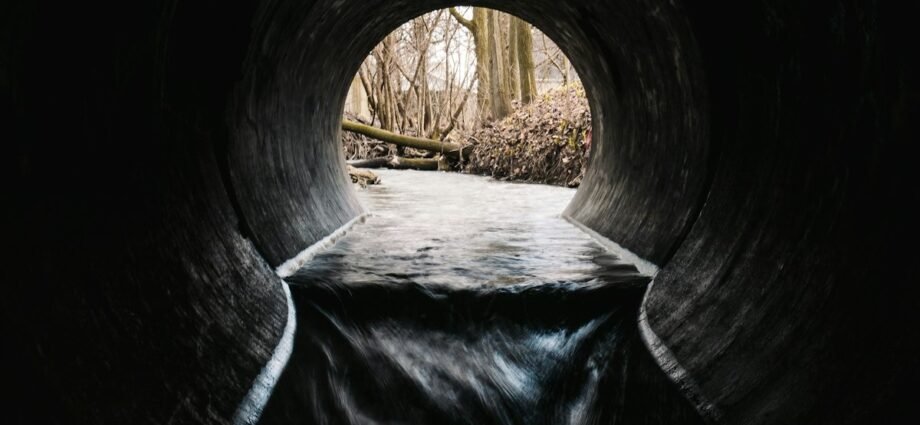
Most drainage systems are hidden, which means property owners often have to make decisions with very little visual information. A recurring blockage, unexplained smell, or slow drain may have several possible causes, and excavating simply to investigate can be disruptive and expensive. CCTV drain surveys solve that information problem by sending a specialist camera through the pipe so the internal condition can be examined from the surface.
Use Surveys for Recurring Blockages
A one-off blockage can happen because of temporary debris, but repeated problems in the same line deserve closer investigation. Roots, displaced joints, scale, poor alignment, or partial collapse can all create points where material collects. If the underlying defect remains, ordinary clearance may only provide short-term relief.
Quick Clear Drainage describes CCTV inspections as suitable for recurring blockages, root infestation, drain mapping, pre-purchase checks and other situations where the internal condition of the system needs to be understood. The main value is evidence: the engineer can see the problem rather than relying only on symptoms at the surface.
Consider a Survey Before Buying a Property
A standard property viewing reveals little about underground drainage. Buyers may inspect roofs, walls and heating systems while the drains remain largely unknown. A pre-purchase camera survey can identify defects that might otherwise emerge only after completion, when the new owner becomes responsible for repairs.
The survey is particularly relevant for older properties, homes with large trees, extensions or a history of drainage problems. It can also clarify the route of pipes where plans are incomplete or where future building work may affect the system.
Use Camera Evidence to Target Repairs
Without internal inspection, excavation can become guesswork. CCTV footage can help identify the approximate location and nature of a defect so that any repair is more focused. This can reduce disruption to gardens, floors or paved areas because contractors are not opening the ground simply to discover where the problem lies.
A useful survey should therefore include interpretation rather than just video. The property owner needs to understand what the footage shows, how serious each issue is, and whether repair, cleaning, monitoring or no action is appropriate.
Investigate Root Ingress Early
Tree roots can enter drainage through defective joints or cracks where moisture is available. Once inside, they can catch debris and expand the obstruction. Cutting roots may restore flow, but the entry point may still need attention if the problem is likely to return.
Camera inspection helps distinguish root ingress from other causes and can show whether the surrounding pipe remains structurally usable. That information supports a more proportionate repair decision.
Use Surveys for Drain Mapping
Property owners do not always know where private drains run, particularly on older sites or premises that have been altered several times. Camera equipment combined with locating tools can help build a clearer picture of the system. This can be useful before extensions, landscaping or other work that may affect underground services.
Drain mapping can also make future maintenance easier. Knowing where chambers, connections, and problem sections are located reduces the time needed to investigate later issues.
Check Suspected Rodent Entry Routes
Defective or redundant drains can provide routes into buildings for rodents. If ordinary pest-control measures do not identify how they are entering, a drainage inspection may reveal damaged pipes, open connections or unused lines that need sealing.
This is a specialist use of CCTV because the aim is not simply to find a blockage. The engineer is looking for openings and structural conditions that could provide access from the sewer system toward the property.
Combine Surveying With Appropriate Cleaning
A camera cannot always provide a clear view if the pipe is heavily coated with grease, silt or debris. In some cases, jetting or cleaning may be needed first so the camera can inspect the actual pipe surface. The engineer should explain whether cleaning is required for diagnosis or is simply part of routine clearance.
Once the pipe is clean, the survey can distinguish between deposits and physical defects more reliably. This can prevent unnecessary repair recommendations based on a view obscured by material that could have been removed.
Ask for Clear Findings and Priorities
Survey reports can include several observations, but not every imperfection requires immediate repair. Older drains may show wear without being close to failure. The most useful report prioritises issues and explains which findings are urgent, which should be monitored and which are unlikely to affect normal use.
Photographs, video clips and location information can make the findings easier to discuss with builders, insurers or other contractors where further work is required.
Choose a Survey for the Right Reason
Property owners should retain the survey footage and report after the immediate decision is made. Drainage conditions can change, but an earlier inspection provides a useful baseline. If a future blockage occurs or building work is planned, the previous record can help contractors compare conditions and understand whether a known defect has progressed.
A good survey should also make location information usable. Distances from access points, marked defects and a simple drainage plan can turn video evidence into something contractors can act on. This becomes especially valuable when the system passes under extensions, landscaped areas or shared boundaries where unnecessary excavation would be costly.
The timing of a survey can also affect the quality of the result. If the system is completely blocked, the camera may not travel far enough to inspect the relevant section until clearance has been completed. In other cases, surveying immediately after cleaning can provide the clearest view of joints and pipe surfaces. An experienced engineer should explain the most useful sequence rather than treating inspection as a fixed standalone procedure.
A drain survey London property owners commission should answer a specific question. The second-last decision is whether the inspection is intended to diagnose recurring failure, support a purchase, map the system or investigate another concern. Clear objectives help ensure that the survey method and report provide useful evidence rather than simply producing footage.
CCTV inspection is valuable because it turns a hidden system into something that can be assessed directly. When used at the right time, it can prevent repeated unblocking, reduce unnecessary excavation, and support better repair decisions. The strongest result is not the video itself but the practical understanding it provides about what is happening underground and what, if anything, needs to happen next.
READ MORE: clocktimes