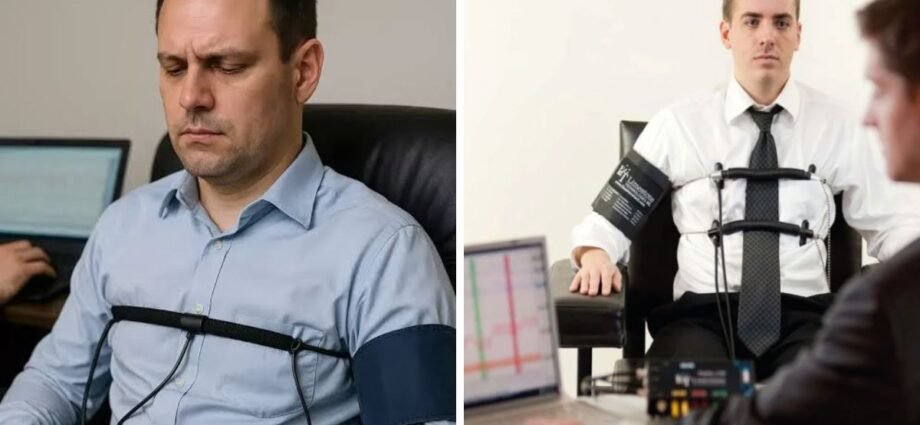
A Polygraph Test can be a stressful experience, especially when the examination ends and you are left waiting for the results. Many people assume the machine instantly determines whether someone is lying or telling the truth, but the reality is far more complex. A polygraph does not directly determine whether a person is lying or telling the truth. Instead, it records physiological responses such as heart rate, breathing patterns, blood pressure, and skin conductivity while a person answers carefully structured questions. These physical reactions are then analysed by a trained examiner to identify patterns that may suggest deception.
Understanding what happens after the test is just as important as understanding the examination itself. Once the questioning is complete, several steps take place before final results are delivered. These steps include data analysis, chart scoring, report preparation, and sometimes additional review. The outcome may influence legal investigations, employment screenings, private disputes, or personal matters. Knowing how Polygraph Test results are interpreted can help reduce confusion and give you a clearer idea of what to expect after the examination.
What Happens Immediately After a Polygraph Test?
Once the questioning phase ends, the examiner removes the sensors attached to your body and begins reviewing the recorded data. Many people believe the process ends as soon as the questions are over, but this is only the beginning of result interpretation. During the examination, the polygraph machine collects a large amount of physiological information. Each change in breathing, pulse, perspiration, and cardiovascular activity is stored in digital charts or printed graphs for analysis.
The examiner carefully reviews these charts to identify reaction patterns linked to specific questions. In some cases, the examiner may ask follow-up questions if certain responses appear unusually strong or inconsistent. The examiner may use this follow-up discussion to clarify answers and obtain additional relevant information. Depending on the purpose of the examination, the examiner may provide a preliminary opinion immediately, though formal results often require additional scoring and review before being finalised.
How Polygraph Test Results Are Analysed
The analysis phase is one of the most critical parts of a Polygraph Test. Examiners do not simply look for nervousness because nervousness alone does not prove deception. Instead, they compare physiological responses to different types of questions, including relevant questions, comparison questions, and neutral questions.
Relevant questions directly address the issue being investigated. Comparison questions are broader and designed to create a baseline stress response. Neutral questions usually involve simple facts that are not emotionally charged. By comparing responses across these categories, examiners attempt to determine whether reactions to relevant questions are significantly stronger than baseline responses.
Modern polygraph examinations often use standardised scoring systems that assign numerical values to reactions. These scores help determine whether a person shows signs of truthfulness, deception, or inconclusive results. Human expertise still plays a major role, which is why examiner training and experience matter significantly in result interpretation.
Common Polygraph Test Results
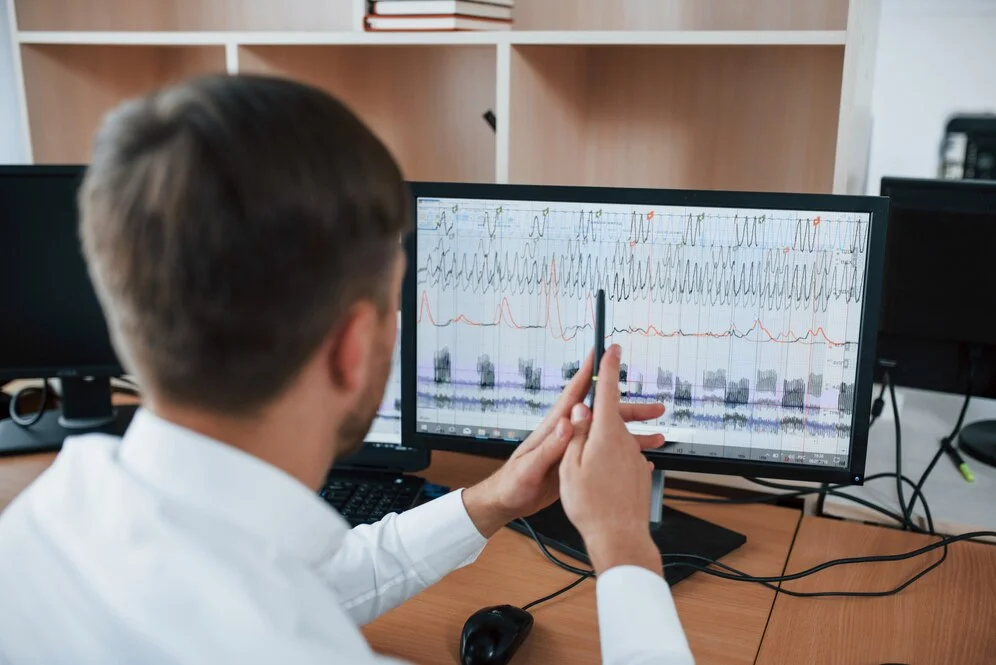
After analysis, the examiner generally categorises the results into one of three main outcomes. These categories help summarise whether deception indicators were found.
No Deception Indicated (NDI)
A result of No Deception Indicated means the examiner did not detect significant physiological reactions suggesting deception. This outcome typically indicates that the person’s responses to relevant questions were consistent with truthful answering.
An NDI result is often viewed positively because it suggests no measurable stress pattern associated with deception. However, this does not guarantee absolute truth. Polygraph conclusions are based on probabilities rather than certainty, so even favourable results should be interpreted carefully.
Deception Indicated (DI)
Deception Indicated means the examiner observed physiological reactions that strongly suggest deception in response to one or more relevant questions. These reactions may include notable changes in respiration, blood pressure, or skin conductivity compared with baseline responses.
A DI result does not automatically prove dishonesty. It simply indicates that the physiological data contained patterns commonly associated with deceptive behaviour. Because many factors can cause stress, examiners typically recommend using polygraph results alongside additional evidence rather than treating them as final proof.
Inconclusive Results
Sometimes the collected data does not support a clear decision. In such cases, the result is labelled inconclusive. This means the examiner could not reliably determine whether deception was present.
An inconclusive result does not mean the person failed the test. It simply indicates insufficient clarity in the physiological data. This may happen because of inconsistent reactions, poor question design, excessive movement, fatigue, medication effects, or medical conditions. In many cases, retesting may be recommended.
When Are Polygraph Test Results Available?
The time required to receive Polygraph Test results depends on the purpose of the examination and the examiner’s procedures. In private examinations, preliminary feedback may be given on the same day. Some examiners provide immediate verbal results after reviewing the charts.
Formal written reports often take longer. Reports may require additional scoring, peer review, or administrative processing. In legal or corporate settings, results may take several days or even weeks before being delivered to the requesting party. Government or security-related examinations may involve even longer review periods due to strict protocols.
Waiting for results can feel stressful, but delays often reflect careful analysis rather than problems with the examination.
Factors That Can Affect Polygraph Test Results
Several factors can influence how a Polygraph Test is interpreted. Since the test measures physiological reactions rather than lies directly, anything affecting the body’s stress response may impact results.
Stress and anxiety are among the most common influencing factors. Even truthful individuals may feel nervous when answering serious questions. Lack of sleep can also affect physiological stability, making responses less consistent. Medical conditions involving the heart, lungs, or nervous system may alter readings. Certain medications can influence heart rate, blood pressure, or sweating, potentially affecting chart interpretation.
Question quality is another major factor. Poorly worded questions can create confusion and produce unreliable responses. This is why professional examiners spend significant time designing and reviewing questions before testing begins.
Can Polygraph Test Results Be Wrong?
One of the most important things to understand about a Polygraph Test is that results are not perfect. False positives and false negatives can occur.
A false positive happens when a truthful person is classified as deceptive. This may occur when anxiety, trauma, fear, or unrelated stress causes strong physiological reactions during questioning. A false negative occurs when a deceptive individual shows limited stress responses, leading to a truthful classification.
Because of these limitations, many experts caution against treating polygraph results as unquestionable evidence. While polygraphs can be useful investigative tools, they should not replace proper investigation or supporting evidence. Their value often lies in guiding further inquiry rather than delivering absolute truth.
Who Receives Polygraph Test Results?
The completed report is generally provided to the individual or organisation that arranged the polygraph examination. In private cases, the individual paying for the test may receive the results directly. In workplace investigations, results may be sent to the employer or designated investigator. In legal matters, attorneys, investigators, or authorised agencies may receive the report.
Confidentiality policies vary depending on jurisdiction and examiner standards. Reputable examiners typically explain in advance who will have access to the results and how the information will be handled. Understanding this before the examination can help avoid confusion later.
What Happens If Results Show Deception?
If a Polygraph Test suggests deception, the next steps depend on the context of the examination. In investigative settings, a deceptive result often leads to additional questioning or deeper investigation. Investigators may review evidence, conduct interviews, or seek clarification about suspicious responses.
In private disputes, deceptive findings may influence decisions regarding trust, conflict resolution, or legal action. In employment or security screenings, results may trigger further evaluation rather than immediate disqualification.
A failed polygraph alone rarely settles an issue completely. Most professional investigators treat it as one piece of a larger puzzle.
What Happens After Inconclusive Results?
When results are inconclusive, the examiner may recommend repeating the test or modifying the question format. A second examination sometimes produces clearer results because the examiner can refine unclear questions or address factors that interfered with the first session.
In some situations, alternative investigative methods may be preferred instead of retesting. These may include interviews, document reviews, witness statements, or additional evidence collection. An inconclusive result often means more information is needed before conclusions can be drawn.
Are Polygraph Test Results Admissible in Court?
The legal acceptance of Polygraph Test results varies widely. Many courts limit or reject polygraph evidence because of reliability concerns. Judges often question whether physiological stress can reliably prove deception beyond a reasonable doubt.
In some jurisdictions, polygraph evidence may be considered if both parties agree to its use beforehand. More commonly, polygraphs are used during investigations rather than in courtroom proceedings. Even when not admissible, results may still influence investigative direction or plea negotiations.
Because laws vary, legal professionals usually evaluate whether polygraph evidence has practical value in each case.
Conclusion
A Polygraph Test does not end when the questions stop. After the examination, the collected physiological data undergoes detailed analysis to determine whether patterns suggest truthfulness, deception, or inconclusive results. The process involves careful chart review, scoring, and professional interpretation rather than instant machine-generated answers.
Understanding what happens after the examination helps set realistic expectations. Polygraph results can provide useful insights, but they are not infallible. Stress, health conditions, question design, and human interpretation all influence the outcome. Whether used in private matters, workplace investigations, or legal situations, polygraph findings are best treated as supportive information rather than absolute proof. Knowing this makes it easier to interpret results responsibly and understand their true role in decision-making.
READ MORE: clocktimes