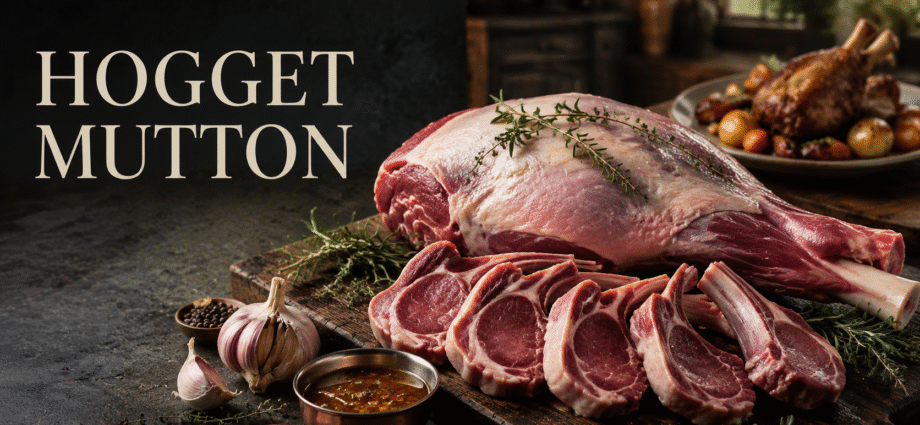
Hogget mutton is a term connected with sheep meat, but it often confuses because hogget and mutton technically describe different age groups. Hogget comes from a sheep older than a lamb but younger than an animal normally classified as mutton. It combines much of lamb’s tenderness with the fuller taste associated with mature sheep meat. The term is common in farming, butchery, and traditional cooking in countries such as the United Kingdom, Australia, and New Zealand. Understanding its age, texture, flavour, and best cooking methods helps shoppers choose the right meat and prepare it successfully.
What Does Hogget Mutton Mean?
The phrase hogget mutton generally refers to meat from a young sheep that has passed the lamb stage but has not yet reached full maturity. Strict definitions vary between regions and meat industries, but hogget commonly comes from a sheep between one and two years old. Mutton usually comes from an older sheep, while lamb comes from an animal under one year of age. Some people casually use “hogget mutton” to describe hogget with a stronger, mutton-like flavour. However, a butcher may treat hogget as a separate category rather than a type of mutton.
Hogget, Lamb, and Mutton Compared
The main difference between lamb, hogget, and mutton is the animal’s age, although diet, breed, and farming methods also influence the meat. Lamb is usually the lightest in colour, mildest in taste, and most tender. Hogget tends to have darker meat, firmer muscle, and a richer flavour without being as powerful as mutton. Mature mutton is normally the darkest and has a bold, earthy character that can become delicious when cooked slowly. Hogget offers a useful middle ground for people who find lamb too mild but consider traditional mutton too strong.
What Does Hogget Taste Like?
Hogget has a deep, savory flavor that is more developed than young lamb. It may have gentle grassy, earthy, or slightly sweet notes depending on the animal’s diet. The meat is often pleasantly firm but should not feel tough when prepared correctly. Its fat contributes richness and carries the flavour of herbs, garlic, spices, and marinades. Grass-fed hogget may have a more noticeable pastoral taste than grain-finished meat. Because the flavour is naturally stronger than lamb, hogget works well in dishes where the meat needs to remain noticeable beside bold vegetables, sauces, and seasonings.
Texture and Appearance of Hogget Meat
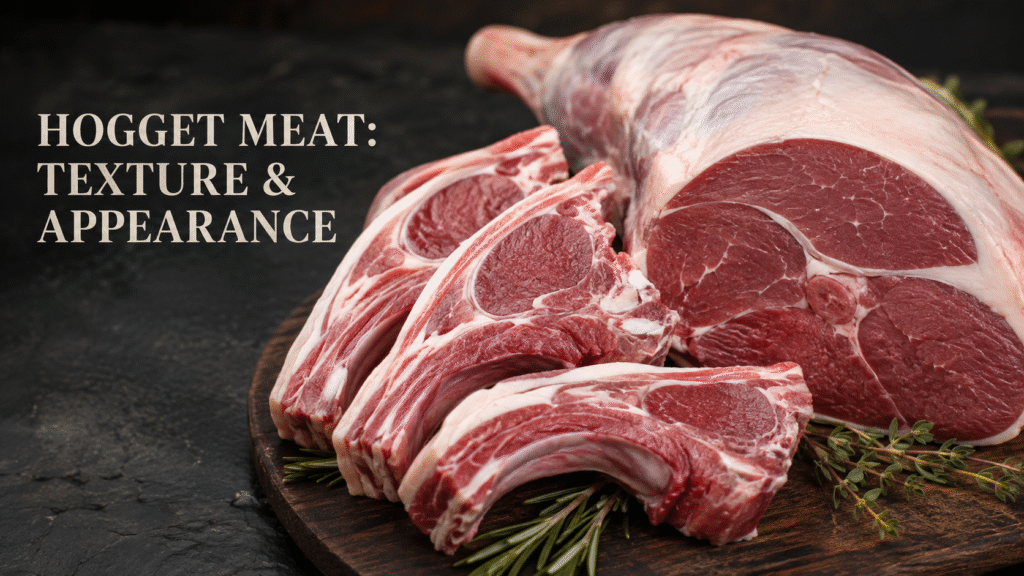
Fresh hogget is generally darker red than lamb but lighter than mature mutton. The exact shade can change with the cut, age, breed, and storage conditions. Its muscle fibres are more developed than those in young lamb, creating a firmer texture with a satisfying bite. Hogget may also carry a thicker or more flavorful layer of fat. The meat should appear moist without looking slimy, and the fat should normally look creamy white rather than unusually yellow or dry. Proper ageing by a skilled butcher can improve tenderness while strengthening the meat’s natural flavour.
Nutritional Value of Hogget Mutton
Hogget can provide high-quality protein, iron, zinc, selenium, and several B vitamins. Protein supports muscle maintenance and tissue repair, while iron helps the body produce healthy red blood cells. Zinc contributes to immune function and healing, and vitamin B12 supports the nervous system. Nutritional values differ according to the cut and the amount of visible fat. A trimmed loin chop will not have the same fat content as an untrimmed shoulder. Grilling, roasting, and slow cooking can all fit within a balanced diet when sensible portions are served with vegetables, grains, or legumes.
Popular Cuts of Hogget
Hogget is available in many of the same cuts as lamb. Leg, shoulder, loin, chops, neck, breast, shank, and mince are among the most useful options. Leg works well for roasting and can be served pink when handled and cooked safely. Shoulder contains more connective tissue, making it ideal for slow roasting or braising. Loin and chops are naturally tender and suit faster methods such as grilling or pan-searing. Neck and shank require longer cooking but develop a rich sauce as collagen softens. Minced hogget can be used for meatballs, burgers, pies, kebabs, and stuffed vegetables.
Best Cooking Methods for Hogget
The correct technique depends heavily on the cut. Tender pieces such as loin chops benefit from quick cooking over high heat, followed by a short resting period. Hard-working muscles such as shoulder, neck, and shank need slow, gentle cooking to become tender. Braising them with stock, tomatoes, onions, or wine allows connective tissue to break down gradually. A whole leg can be roasted, while cubes work beautifully in casseroles and curries. Hogget should not automatically be cooked like delicate lamb because some cuts require additional time. Resting roasted or grilled meat also helps its juices redistribute.
Seasonings That Complement Hogget
Hogget handles strong seasonings exceptionally well. Classic partners include rosemary, thyme, garlic, mint, black pepper, and mustard. Mediterranean dishes may combine the meat with tomatoes, oregano, lemon, olives, and red wine. South Asian recipes can use cumin, coriander, turmeric, ginger, cardamom, and chilli. Middle Eastern preparations often feature cinnamon, allspice, sumac, dried fruit, and toasted nuts. Seasoning should support the meat instead of hiding it completely. A simple overnight marinade can improve flavour, but acidic ingredients should be balanced because excessive lemon juice or vinegar may affect the outer texture.
How to Roast Hogget Successfully
For a roast, remove the joint from the refrigerator shortly before cooking, so it loses some of its chill, but do not leave raw meat at room temperature for an unsafe length of time. Pat the surface dry, season generously, and place it in a suitable roasting pan. Leg may be roasted at a moderate-to-high temperature, while shoulder usually benefits from lower heat and a longer cooking period. A reliable meat thermometer provides more accurate guidance than colour alone. After cooking, cover the joint loosely and let it rest before carving across the grain for more tender slices.
Slow-Cooked Hogget Dishes
Slow cooking is one of the easiest ways to enjoy hogget mutton. Shoulder, shank, neck, and diced meat become tender after several hours in moist heat. Onions, root vegetables, beans, stock, and warming spices create a complete meal in one pot. During cooking, the meat releases flavour into the liquid while collagen turns into gelatin, giving the sauce body and richness. Remove excessive surface fat when necessary, but leave enough to protect the meat and build flavour. Hogget stew, curry, shepherd’s pie, and braised shanks are comforting choices for colder weather or relaxed family meals.
How to Buy Quality Hogget
Hogget may not appear in every supermarket because many shops divide sheep meat only into lamb and mutton. A specialist butcher, farm shop, or farmers’ market is more likely to offer it. Ask about the animal’s age, breed, diet, hanging period, and recommended cooking method. Quality meat should smell fresh, feel firm, and have a healthy red colour. Look for even fat coverage and avoid packages with excessive liquid. When buying frozen hogget, check that the wrapping is secure and shows no heavy ice buildup, which may indicate poor storage or repeated temperature changes.
Safe Storage and Handling
Raw hogget should be refrigerated promptly and kept separate from foods eaten without further cooking. Follow the use-by date and store it in a sealed container on the lowest refrigerator shelf to prevent drips. If the meat will not be used soon, freeze it while it is still fresh. Thaw frozen hogget in the refrigerator rather than on a kitchen counter. Wash utensils, boards, and hands thoroughly after contact with raw meat. Cook ground or minced hogget completely, and use a thermometer where possible. Refrigerate cooked leftovers promptly and reheat them until they are thoroughly hot.
Why Hogget Deserves More Attention
Hogget provides a balance that is difficult to find in either very young lamb or mature mutton. It has enough age to develop complex flavour, yet many cuts remain tender and versatile. Choosing hogget can also support farmers by creating demand for sheep that fall outside the usual lamb market. Its meat works in elegant roasts, rustic stews, spicy curries, quick chops, and practical minced dishes. For cooks interested in traditional ingredients and less familiar cuts, hogget offers an approachable step toward stronger-tasting sheep meat without immediately moving to the intensity of mature mutton.
Frequently Asked Questions
Is hogget the same as mutton?
No. Hogget normally comes from a sheep between one and two years old, while mutton comes from an older animal. Regional definitions can vary.
Is hogget more tender than mutton?
Hogget is generally more tender than mature mutton because it comes from a younger sheep. The cut and cooking method still affect tenderness.
Does hogget taste stronger than lamb?
Yes. Hogget usually has a richer and more developed flavour than lamb, but it is commonly milder than mature mutton.
Which hogget cut is best for slow cooking?
Shoulder, neck, shank, and breast are excellent choices because slow cooking softens their connective tissue and creates a flavorful sauce.
Where can I buy hogget meat?
Specialist butchers, farm shops, farmers’ markets, and direct meat suppliers are the most likely places to stock clearly labelled hogget.
Conclusion
Hogget mutton sits between lamb and mature mutton in age, tenderness, and flavour. Its rich taste makes it suitable for roasting, grilling, braising, curries, and comforting stews. Choosing the correct cut and matching it with the right cooking method are the keys to a tender result. With careful buying, safe storage, bold seasoning, and patient preparation, hogget can become a flavorful and versatile addition to home cooking.
READ MORE: clocktimes