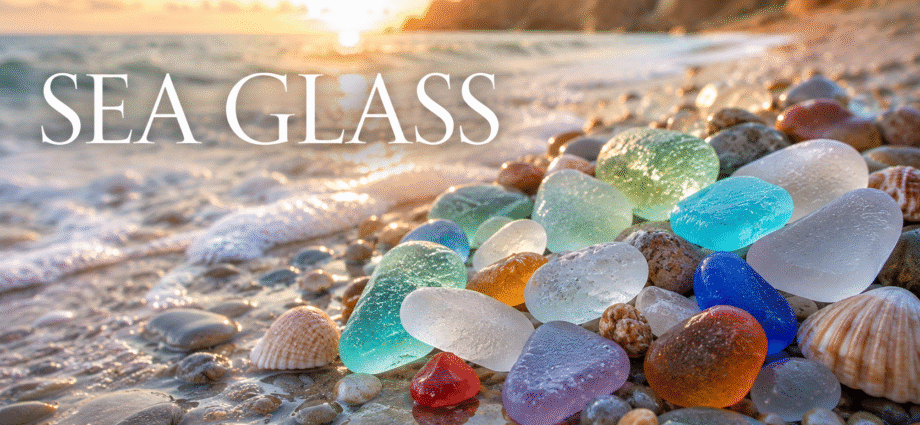
Sea glass is one of the ocean’s most beautiful surprises. These smooth, frosted pieces begin as ordinary broken glass but slowly change as waves, sand, rocks, and saltwater move them along the shore. Sharp edges become rounded, glossy surfaces turn cloudy, and discarded fragments develop the appearance of small gemstones. People collect sea glass for its colors, history, and natural beauty. Every piece can offer a clue about an old bottle, window, tableware item, or maritime object that entered the water many years ago.
What Is Sea Glass?
Sea glass is glass that has spent a long period being naturally worn by water, sand, pebbles, and coastal weather. It is usually found on beaches near seas or oceans, although similar material can also appear along lakes and rivers. Genuine pieces have smooth edges and a soft, frosted surface created by repeated physical movement and chemical exposure. The process does not happen overnight. Many fragments need several decades to develop the rounded shape and cloudy finish collectors want. The longer a piece remains in the water, the more weathered it may become.
How Sea Glass Forms Naturally
The journey starts when a glass object breaks and its fragments enter the water. This may happen through old rubbish disposal, a shipwreck, coastal storms, or everyday human activity. Waves roll the glass against sand and stones, gradually grinding away its dangerous edges. Saltwater also reacts with the surface, creating tiny pits that produce a frosted appearance. Tides may carry the fragment across a bay many times before finally leaving it on a beach. The result depends on the type of glass, strength of the waves, local geology, water chemistry, and length of exposure.
Sea Glass Versus Beach Glass
The terms sea glass and beach glass are often used as though they mean exactly the same thing, but a small distinction can be made. Sea glass usually comes from saltwater environments, while beach glass may include pieces shaped by freshwater lakes and rivers. Saltwater and freshwater affect glass differently, so sea glass often has deeper frosting and more visible surface pitting. Freshwater pieces can remain smoother and slightly shinier. Both types may be naturally weathered and collectible, and both can reveal interesting stories about human activity near the water.
Common Sea Glass Colors
White, brown, and green are the most commonly found colors because clear, amber, and green glass has long been used for bottles and containers. White sea glass usually comes from clear glass that became frosted over time. Brown pieces may come from medicine, beer, or household bottles, while green fragments often began as beverage or wine bottles. Pale aqua is also fairly common in some places and may be linked to older jars, windows, or soda bottles. Although common colors may have less financial value, a beautifully shaped and heavily frosted piece can still be exciting to discover.
Rare and Valuable Colors
Some colors are much harder to find because they were produced in smaller quantities or used during limited historical periods. Red, orange, yellow, black, turquoise, cobalt blue, lavender, and deep purple are often considered rare sea glass colors. Red glass was costly to manufacture because certain older formulas required expensive materials. Black glass may look dark brown or green until it is held against a bright light. Lavender pieces can originate from clear antique glass that changed color after years of sunlight exposure. Rarity varies by region because local industries and settlement history influence what reaches each shoreline.
How to Identify Genuine Sea Glass
Authentic sea glass usually has rounded edges, an uneven frosted surface, and small C-shaped marks or shallow pits caused by natural weathering. Its shape rarely looks perfectly uniform because waves work on every piece differently. Newly broken or mechanically altered glass may have obvious sharp points, a polished shine, or an unnaturally even texture. Tumbled glass, which is produced in a machine, can look attractive but often lacks the deep frosting and irregular markings of naturally aged material. A magnifying glass can help reveal surface details, although experience remains the most useful identification tool.
Where to Find Sea Glass
Productive locations often include old coastal towns, beaches near former factories, harbors, areas below cliffs, and shorelines close to historic rubbish sites. Beaches with pebbles are sometimes more promising than wide stretches of soft sand because heavier objects can settle between the stones. Search near the high-tide line, around rock pools, and in small collections of shells and gravel. The period after a storm or strong tide can be especially rewarding because shifting sand may uncover older material. Local rules must always be checked because collecting is restricted or completely prohibited in some protected areas.
The Best Time to Search
Low tide normally exposes the largest searching area, making it one of the best times for collecting. Early morning can also be useful because fewer people have walked along the beach. Winter storms and seasonal changes may move sand away from sections that were previously covered. Walk slowly with the sun in front of or beside you, since wet glass can catch the light and become easier to notice. A small mesh bag keeps finds secure while allowing sand and water to escape. Gloves and sturdy footwear provide protection around rocks, broken shells, and fragments that have not yet become smooth.
Collecting Sea Glass Responsibly
Responsible collecting protects both the environment and the future of the hobby. Never remove wildlife, disturb nesting areas, climb unstable cliffs, or enter private land without permission. Take only a reasonable number of fully weathered pieces and leave sharp fragments in a safe waste container rather than throwing them back into the water. Although littering glass to create future sea glass may sound harmless, it is dangerous and environmentally irresponsible. Natural shorelines must not become dumping grounds. Ethical collecting also means respecting local regulations and leaving archaeological objects in place when required by law.
Understanding Its History and Value
A piece of sea glass can sometimes be dated by its color, thickness, shape, bubbles, lettering, or pattern. Curved fragments may come from bottles, while flat pieces can be linked to windows or tableware. Embossed letters and maker’s marks provide additional clues. Collectors often value a piece according to color rarity, age, frosting, size, shape, and condition. However, sentimental and historical value may matter more than price. A common green fragment found during a memorable family trip can feel more precious than a rare piece purchased from a seller. Sea glass is appealing because each discovery creates a personal connection with a place.
Cleaning and Storing a Collection
Freshly collected pieces can be rinsed in clean water and gently washed with mild soap. A soft toothbrush helps remove sand or dirt from surface pits. Avoid harsh chemicals, aggressive polishing, and abrasive tools because they can damage the natural frosting. Let each piece dry completely before placing it in storage. Clear jars display common colors beautifully, while rare or fragile finds may be safer in divided boxes lined with soft material. Labels can record the location and date of each discovery. Keeping this information adds meaning and can help collectors compare the character of glass from different beaches.
Creative Uses for Sea Glass
Sea glass can be transformed into jewelry, mosaics, framed artwork, wind chimes, ornaments, and decorative displays. Wire wrapping is popular because it holds a piece without drilling through it. Small fragments can decorate picture frames or create patterns in a shadow box. Larger pieces look attractive in clear bowls or jars where daylight can pass through their colors. Before using valuable finds in a craft, consider preserving them in their original form. Drilling, gluing, or cutting permanently changes the piece. Sea glass jewelry is most meaningful when the natural shape, frosting, and history remain visible.
Why People Love Collecting It
Searching for sea glass combines outdoor activity, careful observation, history, and the excitement of discovery. A beach that appears empty at first may reveal tiny treasures once a person learns where and how to look. The hobby encourages patience because rare colors cannot be expected during every visit. It also changes the way people view discarded objects. A broken bottle that was once dangerous waste can become a beautiful reminder of time and natural movement. For many collectors, the peaceful search is just as valuable as the pieces they bring home.
Frequently Asked Questions
How Many Years Does Sea Glass Need to Form?
Many pieces require approximately 20 to 40 years to become well rounded and frosted. Heavily weathered examples may have remained in the water much longer.
What is the rarest sea glass color?
Orange and red are commonly listed among the rarest colors, although rarity depends on the location and its glassmaking history.
Is collecting sea glass legal?
It depends on the beach. Some public shorelines allow limited collecting, while protected parks, heritage sites, and private properties may prohibit removal.
Can fake sea glass be identified?
Artificially tumbled glass often has a more uniform shape, weaker frosting, and fewer natural pits than genuine pieces weathered by water.
Is sea glass worth money?
Rare colors, unusual shapes, historic markings, and excellent frosting may increase value. Common pieces are generally worth less but remain useful for crafts and displays.
Conclusion
Sea glass represents a remarkable meeting of human history and natural forces. Waves transform broken fragments into smooth, frosted treasures that can reveal clues about earlier communities, products, and industries. Learning about colors, markings, weathering, and coastal conditions makes each search more rewarding. Whether displayed in a jar, turned into jewelry, or kept as a travel memory, every genuine piece carries a story shaped by water and time. Responsible collecting ensures beaches remain safe, beautiful, and enjoyable for future visitors.
READ MORE: clocktimes