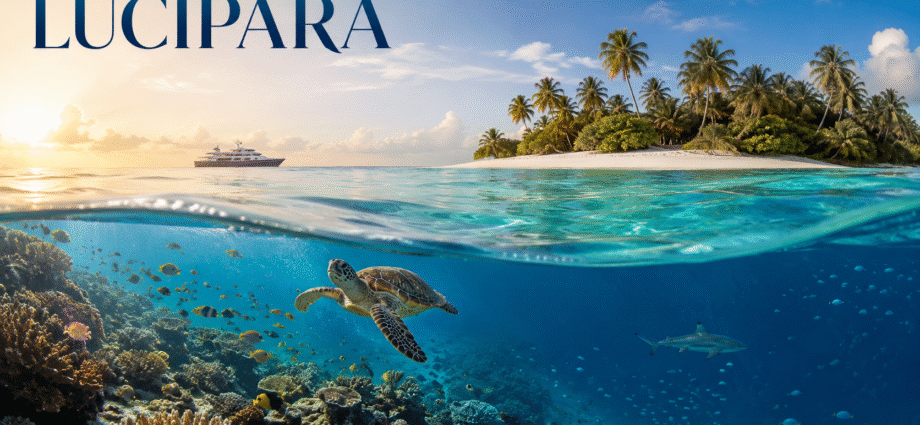
Lucipara is a remote group of small Indonesian islands and reefs located in the Banda Sea, within the wider Maluku region. The islands are also known by several alternative names, including the Lucipara Islands, Kepulauan Lucipara, Pulau-pulau Lucipara, and Lousapara. Their isolated location, coral formations, clear water, and limited human presence have made them interesting to marine scientists, conservation organisations, divers, and adventurous travellers. Unlike Indonesia’s popular destinations, Lucipara does not offer busy resorts, shopping districts, paved roads, or regular transport connections. Its appeal comes from the surrounding ocean and the feeling of entering a place far removed from established tourism routes. People searching for Lucipara are normally interested in its reefs, sea turtles, sharks, diving possibilities, geography, or environmental importance rather than conventional beach holidays.
Where Is Lucipara Located?
Lucipara lies in the Banda Sea, a deep body of water surrounded by islands in eastern Indonesia. The group is located far from major population centres and is commonly approached by boat from Ambon or through longer liveaboard routes crossing the Maluku region. Different descriptions may give varying distances because they measure from different departure points or nearby island groups. What remains clear is that Lucipara is exceptionally remote. A sea journey can take many hours, and conditions may change quickly in exposed waters. The island group is associated with an atoll formation and includes three commonly identified main islands: Pulau Selatan, Pulau Kaurangka, and Pulau Mai. Smaller reefs, sand cays, and shallow formations also contribute to the area’s geography. Its isolation has helped preserve important marine habitats but makes management, research, rescue operations, and environmental enforcement more difficult.
The Geography of the Islands
The visible islands of Lucipara represent only a small part of a much larger underwater landscape. Beneath the surface, reef slopes and steep walls descend into the deep Banda Sea. Shallow areas may include white sand, coral gardens, reef flats, and protected sections of water, while outer reef edges are exposed to stronger currents and open-ocean conditions. This combination creates different habitats within a relatively compact area. Some sections support hard corals, while others contain soft corals, sponges, or sandy areas used by marine animals. The low elevation of small islands and sand cays makes them sensitive to erosion, storms, rising sea levels, and changes in wave patterns. Visitors should not imagine Lucipara as one large tropical island. It is better understood as an oceanic island and reef system whose greatest natural value lies underwater and along its narrow coastal areas.
Coral Reefs and Marine Biodiversity
Lucipara is situated within the broader Coral Triangle, a region recognised for exceptional marine biodiversity. Scientific observations have described its reefs as supporting substantial fish life, including large predatory species. The distance from heavily populated coastlines may have reduced some forms of constant fishing pressure, allowing sections of the ecosystem to remain healthier than reefs close to major settlements. Reef communities can contain hard and soft corals, reef fish, invertebrates, and species that move between shallow habitats and deep ocean waters. However, describing any reef as untouched can create a misleading impression. Even remote environments face rising sea temperatures, coral bleaching, plastic pollution, destructive fishing, and other human pressures. Lucipara’s value comes not from being completely free of damage, but from retaining ecological qualities that are increasingly difficult to find in many heavily used marine areas.
Sea Turtles and Other Wildlife
The islands are particularly associated with sea turtles, which use remote beaches and surrounding waters for nesting, resting, and feeding. Quiet shorelines can be valuable because nesting females require suitable sand and limited disturbance. Artificial light, loud activity, waste, uncontrolled visitors, and careless boat operations can affect turtle behaviour. Sharks are another important part of Lucipara’s marine environment. Divers and researchers have reported reef sharks and other large fish around exposed reef walls. Their presence can indicate a productive food web because large predators require healthy populations of smaller animals. Napoleon wrasse, triggerfish, schooling fish, rays, and numerous reef species may also occur in the region. Wildlife encounters cannot be guaranteed, however, because they depend on season, currents, water conditions, time of day, and natural animal movement. Responsible observation should never involve chasing, feeding, touching, or blocking marine animals.
Diving Around Lucipara
Lucipara has gained attention as a remote diving destination because of its reef walls, visibility, marine life, and dramatic underwater terrain. Some sites may offer coral gardens and shallower sections, while exposed locations can involve deep drop-offs and strong currents. These conditions are not automatically suitable for beginners. Divers need appropriate certification, experience, controlled buoyancy, and confidence in open water. A knowledgeable local guide is essential because currents can change direction or strength with tides and weather. Dive planning should include depth limits, air management, entry and exit procedures, surface support, and emergency preparation. The nearest advanced medical facilities may be far away, making conservative decisions especially important. Photographers should avoid contacting corals while positioning equipment. Even a small accidental kick can break delicate growth that took years to develop. Enjoying Lucipara responsibly means placing safety and reef protection ahead of dramatic photographs.
Reaching the Lucipara Islands
There is generally no simple public ferry schedule that makes Lucipara an easy independent day trip. Travel is usually associated with liveaboard vessels, research expeditions, specialist diving trips, or privately organised boats. The journey from an established port can take much of a day, depending on the vessel, route, sea state, and departure location. Access is also influenced by monsoon patterns, wind, waves, and seasonal transitions. Some months may provide more suitable crossing conditions, while others can make the open sea uncomfortable or unsafe. Travellers should not rely on a single online account when planning transportation. A qualified operator should explain the route, permits, communication equipment, passenger limits, emergency systems, insurance requirements, and cancellation rules. Because the area is remote, every vessel should carry adequate fuel, drinking water, food, first-aid supplies, navigation tools, and reliable methods of contacting support.
What Travellers Should Expect
A trip to Lucipara is very different from visiting a developed island resort. Travellers may have limited or no mobile signal, no shops, no permanent accommodation, and no immediate access to medical care. Most daily needs must be supplied by the boat. Weather and sea conditions can affect schedules, so flexibility is necessary. Visitors should carry sun protection, lightweight clothing, suitable footwear, seasickness treatment, reusable water equipment, and any essential medication. Waste must remain on the vessel until it can be disposed of correctly. Nothing should be removed from the islands or reefs, including shells, coral pieces, sand, plants, or wildlife. Drones may disturb birds or nesting animals and should only be used when local rules and environmental conditions permit. The most rewarding experience comes from observing Lucipara rather than treating it as an empty playground with no restrictions.
History and Human Connections
Although Lucipara may appear uninhabited today, it is not disconnected from human history. The Banda Sea was part of important sailing and trading routes connected with the famous Spice Islands. Ships crossing these waters faced reefs, changing winds, and limited navigation technology. Historical travellers recorded variations of the Lucipara name, showing that the island group was recognised by sailors long before modern tourism. Communities from nearby regions have also maintained connections with the islands and may make traditional claims or seasonal visits. Coconuts and marine resources have held practical value for local people. These connections matter because remote islands should not be described as ownerless spaces simply because permanent settlements are absent. Conservation and tourism plans work best when they respect local knowledge, customary relationships, administrative responsibilities, and the economic needs of communities connected with the surrounding sea.
Conservation Importance
The ecological condition of Lucipara has encouraged discussion about stronger marine protection and sustainable management. Conservation efforts may involve government agencies, researchers, nonprofit organisations, tourism operators, and communities. Effective protection requires more than drawing boundaries on a map. Authorities need scientific monitoring, clear regulations, enforcement capacity, community participation, visitor management, and long-term funding. Destructive fishing is a serious concern because explosives or harmful methods can damage coral structures and reduce fish populations rapidly. Remoteness offers some protection from constant activity but also makes illegal behaviour harder to detect. Carefully controlled marine tourism could provide funding and economic opportunities, yet uncontrolled growth could introduce waste, anchor damage, wildlife disturbance, and excessive fishing. The goal should be to preserve ecological health while allowing responsible use that delivers genuine local benefits.
Responsible Tourism in Lucipara
Anyone visiting Lucipara should follow a low-impact approach. Boats should use designated moorings where available rather than dropping anchors onto living reefs. Divers and snorkellers should maintain distance from coral, turtles, sharks, and nesting beaches. Sunscreen, plastics, fishing line, food packaging, and cigarette waste should never enter the water. Tour operators should limit group sizes, brief guests properly, employ experienced crews, and follow local conservation rules. Travellers can ask how an operator manages sewage, rubbish, fuel, anchoring, wildlife encounters, and community contributions. Choosing a responsible company is more valuable than selecting a trip based only on price or promises of rare animal sightings. Lucipara’s beauty depends on ecosystems that can be damaged quickly but may take decades to recover. Responsible behaviour protects both the destination and the possibility of future visits.
Conclusion
Lucipara is one of the Banda Sea’s most remote and environmentally important island groups. Its small islands, coral reefs, deep drop-offs, sea turtles, sharks, and rich fish communities make it attractive to scientists, conservationists, and experienced marine travellers. Yet its isolation also creates serious challenges involving access, safety, enforcement, and environmental management. Lucipara should not be viewed simply as an undiscovered tourist attraction waiting for development. It is a sensitive marine ecosystem with historical connections and long-term conservation value. Visitors who reach it should travel with qualified operators, prepare carefully, respect local rules, avoid disturbing wildlife, and leave no waste behind. Protecting Lucipara requires cooperation between authorities, communities, researchers, businesses, and travellers who understand that responsible access is a privilege.
Frequently Asked Questions
Where is Lucipara located?
Lucipara is located in Indonesia’s Banda Sea within the wider Maluku region. Its remote position means it is normally reached by specialist boat or liveaboard.
What is Lucipara famous for?
It is known for coral reefs, sea turtles, sharks, reef fish, remote islands, and diving in clean open-ocean environments.
Can tourists stay on Lucipara?
Conventional hotels and developed tourist facilities are generally not available. Most visitors stay aboard appropriately equipped expedition or diving vessels.
Is Lucipara suitable for beginner divers?
Some conditions can involve strong currents, deep walls, and difficult access. Beginners should only dive at suitable sites under qualified professional supervision.
Why does Lucipara need protection?
Its reefs support valuable biodiversity but face threats such as destructive fishing, climate change, coral damage, pollution, and poorly managed tourism.
READ MORE: clocktimes