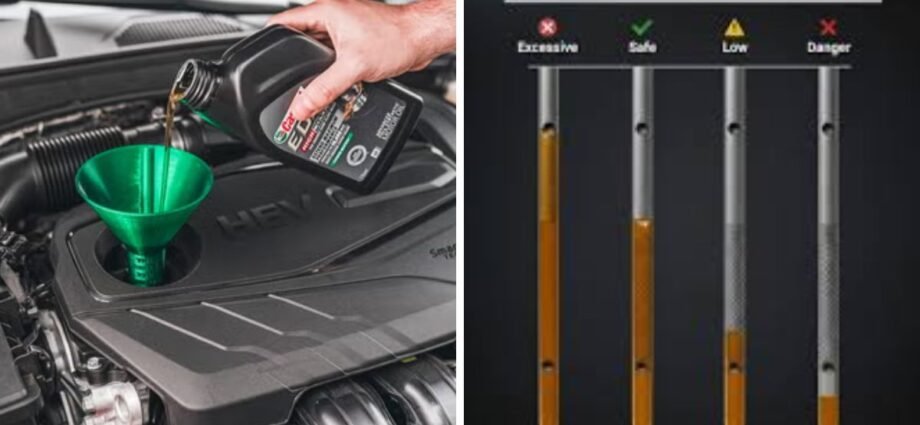
Knowing how to check engine oil is one of the most important basic skills every driver should learn, because engine oil is the lifeblood of your vehicle. It lubricates moving parts, reduces friction, prevents overheating, and keeps the engine clean from harmful debris. Without proper oil levels, even a well-maintained car can suffer serious damage that leads to expensive repairs or complete engine failure. Despite its importance, many drivers either forget to check it regularly or do it incorrectly, which can lead to misleading readings. This guide will help you understand the correct process in a simple, practical, and reliable way so you can maintain your vehicle confidently and safely.
Why Engine Oil Matters
The role of engine oil goes far beyond simple lubrication. It creates a protective film between metal components, preventing them from grinding against each other while the engine is running at high speed. It also helps regulate temperature by carrying heat away from critical parts of the engine. Over time, oil collects dirt, carbon deposits, and other contaminants, which is why checking its condition regularly is essential. When the oil level drops too low, it can cause increased friction inside the engine, which may result in overheating or serious long-term damage. If it is too high, it can cause pressure issues and leakage. Understanding the importance of oil level maintenance ensures that your vehicle remains efficient, reliable, and safe for long-term use.
Preparation Before Checking Engine Oil
Before learning how to check engine oil, proper preparation is essential to get an accurate reading. First, always park your vehicle on a flat and level surface, as uneven ground can shift oil inside the engine and give incorrect results. Turn off the engine and allow it to rest for about 5 to 10 minutes so the oil can settle back into the oil pan. This waiting period ensures accuracy and prevents burns from hot engine parts. Open the hood safely and secure it using the support rod. Locate the dipstick, which is usually marked with a bright-colored handle, such as yellow or orange. Having a clean cloth or paper towel ready is also important, as it will be used to wipe the dipstick during the process.
Step-by-Step Process of Checking Engine Oil
The actual process of checking oil is simple but must be done carefully to ensure precision. Start by pulling out the dipstick completely from its tube. Wipe it thoroughly using a clean cloth until all oil residue is removed. Next, reinsert the dipstick fully into the tube, making sure it goes all the way in. Wait a few seconds, then pull it out again slowly while keeping it as horizontal as possible to avoid oil smearing upward. Observe the oil mark on the stick and compare it with the minimum and maximum indicators. This reading shows whether your engine oil level is safe, low, or overfilled. Taking your time during each step ensures you get an accurate understanding of your engine’s condition.
Reading the Dipstick and Understanding Oil Levels
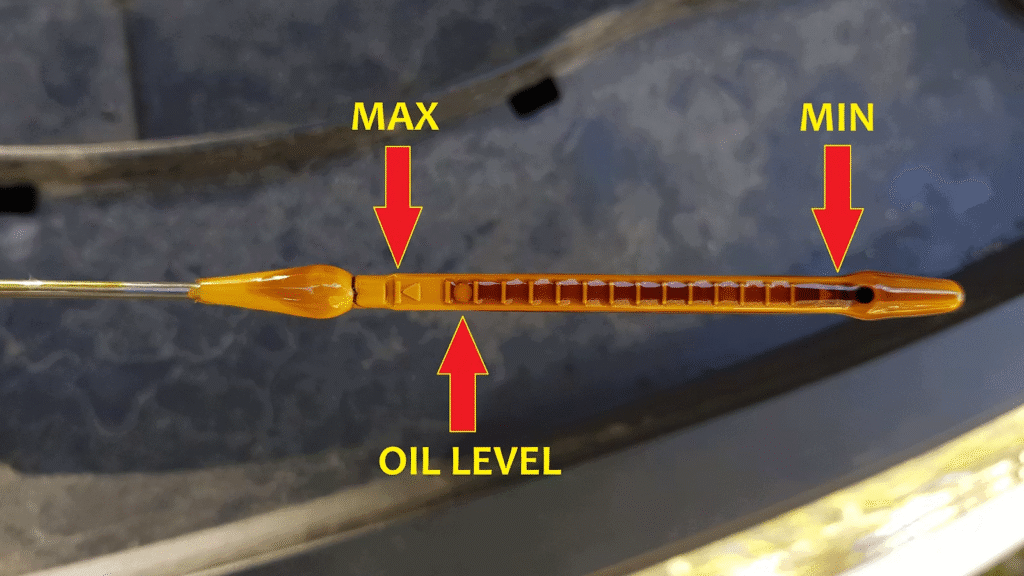
Once you have completed the process, interpreting the reading is the next important step. If the oil mark is below the minimum line, it means the engine oil is critically low and needs immediate refilling to prevent damage. If the oil level falls between the minimum and maximum marks, it indicates a healthy and safe condition, meaning no action is required. However, if the oil level is above the maximum mark, the engine is overfilled, which can create excessive pressure and may damage seals or cause leaks. In addition to the level, also observe the condition of the oil. Clean oil usually appears light amber, while dark or black oil indicates it is old and needs replacement. A milky or foamy texture can signal serious engine problems such as coolant leakage, which requires immediate attention.
Common Mistakes When Checking Engine Oil
Many drivers make mistakes when learning how to check engine oil, which can lead to inaccurate readings or confusion. One common error is checking the oil immediately after turning off the engine, which does not allow enough time for the oil to settle. Another mistake is not wiping the dipstick properly before reinserting it, resulting in unclear measurements. Some drivers also check oil on uneven ground, which significantly affects accuracy. Overfilling oil after checking is another issue that can harm the engine. Avoiding these mistakes ensures that your readings are reliable and your vehicle remains in good condition.
Tips for Accurate Engine Oil Maintenance
To maintain your engine properly, it is important to develop a habit of checking oil regularly, especially before long trips. Always use the correct oil grade recommended in your vehicle manual, as using the wrong type can affect performance. Make sure to inspect oil condition as well as level, since both factors are equally important for engine health. If your vehicle frequently consumes oil, it may indicate internal engine wear that needs professional inspection. Keeping a routine maintenance schedule helps prevent unexpected breakdowns and extends the life of your engine. Practising these simple habits ensures that your car remains reliable and efficient over time.
FAQs
1. How often should I check engine oil?
It is recommended to check engine oil at least once every two weeks or before long trips to ensure proper levels and avoid unexpected engine issues.
2. Is it safe to check engine oil while the engine is still hot?
It is better to wait 5–10 minutes after turning off the engine so the oil settles, providing a more accurate reading and preventing burns.
3. What happens if the engine oil is too low?
Low engine oil can cause increased friction, overheating, and serious engine damage if not corrected quickly by adding the proper amount of oil.
4. Why is my engine oil black?
Dark or black oil usually means it has collected dirt and carbon deposits over time and should be changed to maintain engine performance.
5. Do all cars have a dipstick for oil checking?
Not all modern vehicles have a physical dipstick. Some use electronic sensors and display oil levels on the dashboard or infotainment system.
Conclusion
Understanding how to check engine oil is a simple yet essential skill that helps protect your vehicle from costly damage and ensures smooth performance. By following the correct steps—preparing the vehicle, using the dipstick properly, and interpreting oil levels accurately—you can easily monitor your engine’s health. Regular checks not only improve efficiency but also extend the life of your engine, making your driving experience safer and more reliable in the long run.
READ MORE: clocktimes