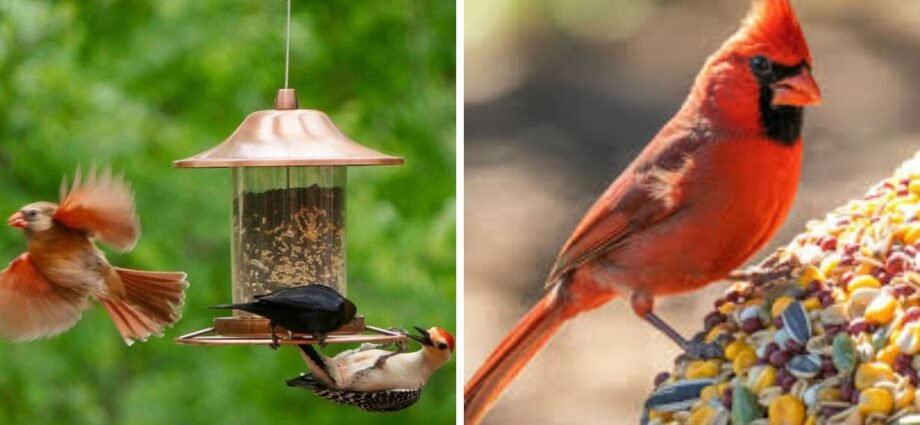
Understanding how to attract birds is not just about placing food outside; it is about creating a living environment where birds feel safe, nourished, and welcome. Birds are highly sensitive creatures that choose their habitats based on survival needs such as food availability, water access, shelter, and protection from predators. When a space fulfils these conditions consistently, birds begin to recognise it as a reliable habitat. Whether you live in an urban apartment or a house with a garden, learning how to attract birds can transform your surroundings into a lively ecosystem filled with colour, sound, and natural activity. Birds also play a vital role in controlling insects, pollinating plants, and maintaining ecological balance, making them valuable visitors for any environment.
Understanding the Four Essential Habitat Elements
To truly master how to attract birds, it is important to understand the four pillars of bird-friendly habitats: food sources, water availability, shelter, and nesting areas. Each of these elements works together to create a complete ecosystem. Birds rarely stay in places that provide only one benefit. Instead, they look for environments where all their needs are met consistently. Food provides energy, water supports hydration and feather maintenance, shelter ensures safety from predators and weather, and nesting spaces allow reproduction. When these four elements are present in balance, birds will not only visit but may also return daily and eventually settle nearby.
Providing the Right Food Sources
One of the most effective steps in learning how to attract birds is offering a variety of food sources that match the dietary needs of different species. Birds have diverse preferences, so a mixed feeding approach works best. Seeds such as sunflower seeds and millet are widely accepted by sparrows, doves, and finches. Fruits like bananas, apples, and papaya attract mynas and bulbuls, while small amounts of grains can support ground-feeding birds. Protein-rich foods such as mealworms or insects are especially appealing to insect-eating species. It is important to avoid processed or salty foods, as these can harm birds and discourage them from returning. Consistency in feeding time is also crucial because birds quickly learn feeding patterns and return regularly when food is predictable.
The Importance of Clean and Moving Water
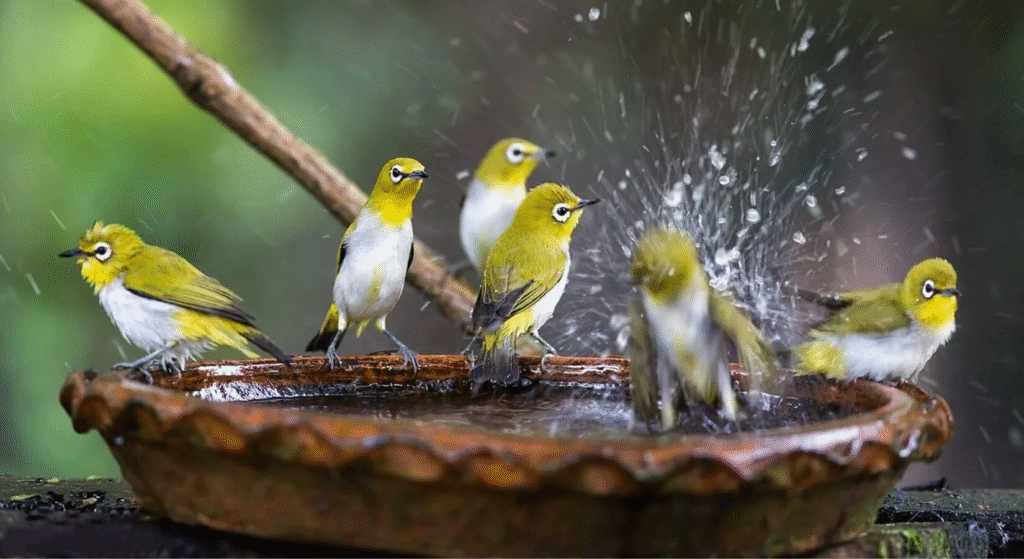
Water is often underestimated in discussions about how to attract birds, yet it is one of the most powerful attractants. Birds need water not only for drinking but also for cleaning their feathers, which helps them regulate body temperature and maintain flight efficiency. A shallow bowl or birdbath with clean, fresh water can instantly increase bird activity in your area. Birds are especially drawn to moving water, so adding a small drip system or fountain can significantly improve results. In hot climates, water becomes even more essential, and replacing it daily prevents contamination and keeps it safe. A shaded water source is ideal because it prevents overheating and evaporation, ensuring birds can rely on it throughout the day.
Creating Safe and Natural Shelter
An essential part of how to attract birds is creating a safe shelter that shields them from predators, harsh weather, and human activity. Birds naturally prefer environments with layered vegetation, including trees, shrubs, and ground cover. If you have limited space, potted plants, hanging greenery, or vertical gardens can serve as alternative shelter options. Dense foliage allows birds to hide quickly when they sense danger, which increases their confidence in visiting your space. Avoid placing feeding or water stations in exposed areas, as birds feel vulnerable without nearby cover. A quiet, stable environment encourages birds to stay longer and return frequently, especially during breeding seasons.
Encouraging Nesting Behaviour
Another important step in learning how to attract birds is creating nesting opportunities. Birds choose nesting sites based on safety, stability, and accessibility to food and water. Installing small nesting boxes designed for local bird species can encourage them to settle and raise their young. These boxes should be placed in secure, elevated locations away from direct sunlight and predators. Natural nesting materials such as dry grass, twigs, and cotton fibres can also be left in the environment to support nest building. When birds successfully nest in an area, they often return every breeding season, making your space a long-term habitat.
Common Mistakes to Avoid
Many people fail in understanding how to attract birds because of simple but impactful mistakes. One common error is irregular feeding, which causes birds to lose trust in the food source. Another mistake is using contaminated water or dirty feeders, which can spread diseases and drive birds away. Overuse of chemicals, pesticides, or fertilisers in gardens also reduces insect populations, depriving birds of natural food. Additionally, placing feeders in noisy or high-traffic areas can make birds feel unsafe. Avoiding these mistakes ensures a healthier and more inviting environment for birds to thrive.
Urban and Balcony Bird Attraction Tips
Even in compact urban settings, it is possible to apply the principles of how to attract birds effectively. Balconies can be transformed into mini bird-friendly zones by using small feeders, hanging plants, and compact water bowls. Vertical space should be utilised efficiently with railing planters or wall-mounted greenery. Choosing native plants helps attract local bird species more easily. Keeping the space quiet and avoiding sudden movements near feeding areas increases bird confidence. Consistent upkeep and cleaning become even more crucial in cities, where higher pollution and dust can quickly affect bird-friendly spaces.
Conclusion
Learning how to attract birds is ultimately about building harmony with nature by meeting the basic needs of local birdlife. When food, water, shelter, and nesting opportunities are provided consistently, birds naturally respond by visiting and staying longer. This process not only enhances the beauty of your surroundings but also contributes to ecological balance. By maintaining a clean, safe, and welcoming environment, anyone can transform their home or balcony into a thriving bird habitat that brings daily life, sound, and movement into the space.
FAQs
1. What is the fastest way to attract birds?
Providing clean water and fresh seeds consistently is the quickest method for attracting birds.
2. Do birds prefer feeders or natural food?
Birds prefer natural food, but feeders help supplement their diet and make the attraction more reliable.
3. How often should I clean bird feeders?
Feeders should be cleaned at least once a week to prevent disease and contamination.
4. Can I attract birds to a small balcony?
Yes, even a small balcony can attract birds using compact feeders, plants, and water bowls.
5. What time of day is best for bird feeding?
Early morning is the most active feeding time for most bird species.
READ MORE: clocktimes