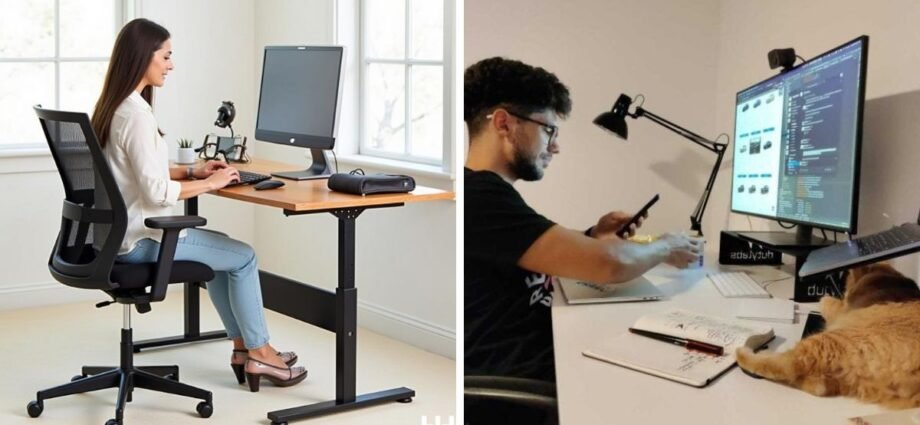
Remote work has transformed modern employment, making the remote work setup an essential part of daily professional life. As organisations shift toward flexible work models, individuals must create environments that support productivity, comfort, and long-term health. A well-designed setup is not limited to a desk and laptop; it is a carefully structured system that integrates physical comfort, digital efficiency, and mental focus. When set up correctly, it minimises tiredness, sharpens focus, and leads to better overall work performance. Without it, remote workers often struggle with distractions, poor posture, and inconsistent performance. Understanding how to design an effective workspace is now a crucial skill for professionals across industries.
Who is a Remote Work Setup Expert?
A remote work setup expert is a specialist who designs and optimises work environments for individuals working outside traditional offices. This professional understands how ergonomics, technology, and workflow systems combine to create a productive and sustainable workspace. Their responsibility includes evaluating physical space, recommending suitable furniture, and ensuring that users maintain proper posture and comfort during extended working hours. They also guide individuals in selecting appropriate digital tools for communication, collaboration, and security. In many cases, they help organisations transition teams into remote or hybrid work models. By balancing health, efficiency, and technology, they ensure that remote workers remain productive without experiencing physical strain or digital inefficiencies in their daily routines.
Importance of a Remote Work Setup
The importance of a structured remote work setup lies in its direct impact on productivity, health, and mental clarity. A well-planned workspace creates boundaries between personal life and professional responsibilities, which is essential for maintaining balance in remote environments. Without structure, employees may experience distractions, irregular schedules, and reduced efficiency. A properly designed setup helps the brain associate a specific environment with focused work, improving discipline and consistency. It also reduces the risk of burnout by encouraging healthy routines and minimising unnecessary stress. Additionally, organisations benefit when employees work in optimised environments, as it leads to better output, improved engagement, and long-term job satisfaction.
Core Components of an Effective Workspace
A successful remote work setup depends heavily on physical design and ergonomic principles that support the human body during long hours of work. A high-quality chair with lumbar support is essential for maintaining spinal alignment and preventing back pain. An adjustable sit-stand desk allows users to alternate between sitting and standing positions, reducing fatigue and improving circulation. The placement of an external monitor at eye level prevents neck strain, while a separate keyboard and mouse encourage natural arm positioning. Lighting also plays a critical role, as balanced natural light reduces eye strain and enhances focus. Cable organisation, laptop stands, and monitor arms further contribute to a clean and efficient workspace that supports long-term productivity and comfort.
Digital Environment and Security
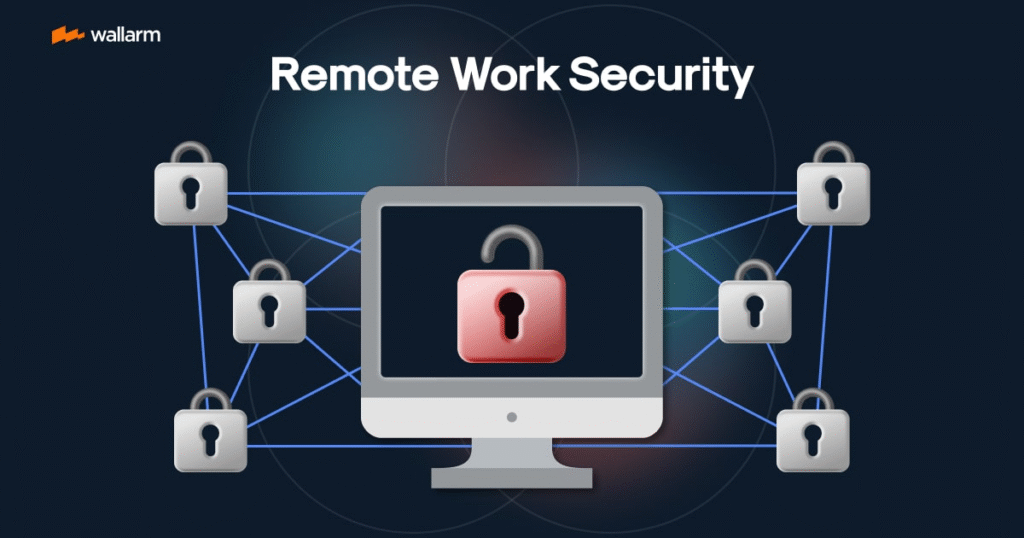
A strong digital environment is a core pillar of any remote work setup, ensuring smooth communication and secure data handling. Reliable high-speed internet is necessary for video meetings, file transfers, and uninterrupted workflows. Collaboration platforms help teams stay connected and aligned on tasks in real time. At the same time, cybersecurity measures such as VPNs and encrypted systems protect sensitive information from unauthorised access. Cloud storage solutions provide easy access to files and reduce version control issues. Task management tools also help structure workflows and improve accountability. Together, these digital systems ensure that remote professionals can operate efficiently, securely, and without disruption in a virtual workspace.
Productivity and Psychological Design
A productive remote work setup is not only about physical tools but also about mental structure and discipline. Creating clear boundaries between work and personal life helps maintain focus and prevent burnout. A dedicated workspace conditions the mind to enter a productive state whenever it is used. Incorporating scheduled breaks improves concentration and reduces mental fatigue over long periods. Minimal distractions, combined with an organised environment, significantly enhance performance. Techniques such as time management, task prioritisation, and structured routines further strengthen efficiency. When physical, digital, and psychological elements work together, remote workers achieve higher productivity and better overall well-being.
Common Challenges and Solutions
Despite its benefits, a remote work setup can present challenges such as distractions, poor posture, and unstable internet connectivity. These issues often arise when the workspace is not properly structured or when routines are inconsistent. Solutions include creating a dedicated work area, investing in ergonomic furniture, and upgrading the internet infrastructure for stability. Establishing fixed schedules and using productivity tools also helps maintain consistency. By addressing these challenges proactively, individuals can significantly improve their remote working experience and ensure long-term efficiency and comfort.
FAQs
1. What is a remote work setup?
A remote work setup is a combination of physical workspace, digital tools, and routines designed to support productive work outside a traditional office environment.
2. What equipment is essential for a remote work setup?
Essential equipment includes an ergonomic chair, adjustable desk, external monitor, keyboard, mouse, laptop stand, and stable internet connection.
3. How can productivity be improved in remote work?
Productivity improves through structured schedules, minimal distractions, clear goals, and effective use of task management tools.
4. Why is internet speed important in remote work?
Stable internet ensures smooth communication, uninterrupted video calls, and efficient file sharing, which are critical for remote collaboration.
5. How can health issues be avoided in remote work setups?
Health issues can be avoided by maintaining proper posture, using ergonomic furniture, taking regular breaks, and ensuring correct screen positioning.
Conclusion
A well-structured remote work setup is essential for achieving productivity, comfort, and long-term sustainability in modern professional life. By combining ergonomic furniture, secure digital tools, and disciplined routines, individuals can create an environment that supports both physical health and mental focus. When optimised correctly, remote work becomes not only efficient but also highly rewarding and sustainable for the future of work.
READ MORE: clocktimes