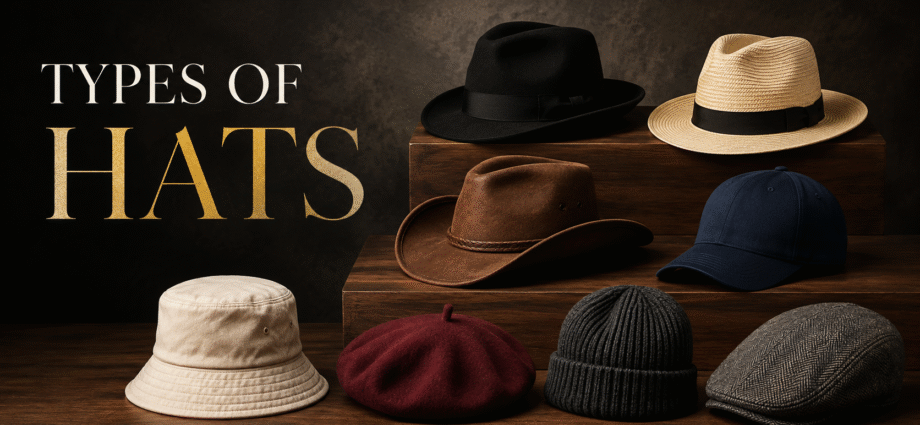
Hats have served people for centuries as protection, symbols of status, uniform pieces, and fashion accessories. Today, the many types of hats available make it possible to find a design for nearly every season, activity, and personal style. Some hats shield the face from sunlight, while others provide warmth or complete a formal outfit. Shape, brim size, crown structure, fabric, and fit all influence how a hat looks and performs. Understanding the differences between common styles can help you choose a hat that is comfortable, useful, and suited to the occasion.
Baseball Cap
The baseball cap is one of the most widely worn hats in modern fashion. It has a rounded crown, a stiff or slightly curved front visor, and often an adjustable strap at the back. Early versions formed part of baseball uniforms, but the cap later became a casual everyday accessory. Cotton, polyester, wool blends, and performance fabrics are commonly used. Structured caps hold their shape, while unstructured versions feel softer and more relaxed. Baseball caps work well with jeans, sportswear, and casual outfits, and their front panels are frequently decorated with team emblems, company logos, embroidery, or simple designs.
Fedora
A fedora usually has a soft brim and an indented crown with a centre crease and pinched front. Traditionally made from felt, modern versions also use wool, straw, cotton, and synthetic materials. The fedora became closely associated with smart menswear during the twentieth century, though it is now worn by people of all genders. Its brim may be snapped down in front and turned slightly upward at the back. A felt fedora suits coats and tailored clothing, while a lighter straw version works with summer outfits. Choosing the correct crown and brim proportions helps the hat complement the wearer’s face.
Trilby
The trilby is often confused with the fedora, but several details separate the two. A trilby hat typically has a narrower brim that turns upward more sharply at the back. Its crown may also be shorter and more compact. This creates a lighter, youthful appearance that works well with smart-casual clothing. Trilbies are made from felt, tweed, wool, straw, and blended fabrics. They are generally worn farther back on the head than traditional fedoras. Because the brim offers limited sun protection, the trilby is chosen more for style than outdoor function. It pairs naturally with fitted jackets, shirts, and relaxed suits.
Panama Hat
The Panama hat is a lightweight, breathable style traditionally woven from toquilla straw. Despite its name, its historic production is strongly associated with Ecuador. The hat usually has a light natural colour, a creased crown, and a medium brim, giving it an elegant warm-weather appearance. Fine examples can be tightly woven and remarkably flexible, while more affordable versions have a looser weave. A genuine Panama hat works with linen suits, summer dresses, shirts, and resort clothing. It provides shade while allowing air to circulate. It should be handled carefully by the brim rather than repeatedly pinched at the crown.
Cowboy Hat
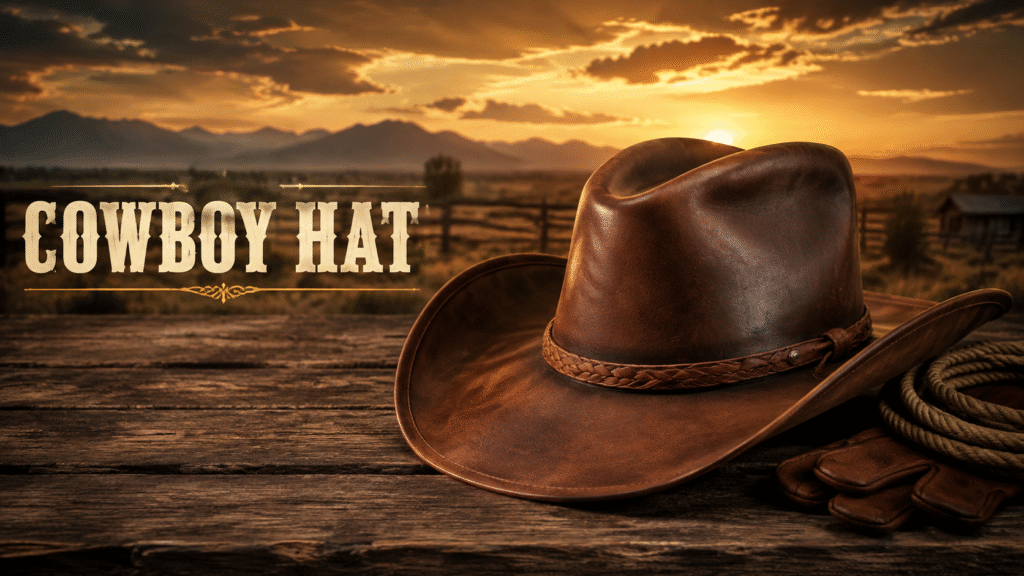
The cowboy hat is recognised by its tall crown and broad, curved brim. Originally designed for ranch workers, it offered protection from strong sunlight, rain, wind, and dust. Traditional materials include felt, leather, and straw. Felt versions are popular in cooler weather and formal Western settings, while straw cowboy hats are lighter for hot conditions. Crown shapes and brim curves vary, and some designs reflect regional traditions or personal preference. Beyond ranching, cowboy hats are worn at country music events, rodeos, festivals, weddings, and casual gatherings. A proper fit keeps the hat secure without causing uncomfortable pressure.
Bucket Hat
A bucket hat has a soft crown and a downward-sloping brim that circles the entire head. Originally linked to outdoor workers and fishing, the bucket hat later became a major streetwear and festival accessory. Cotton, canvas, denim, nylon, and water-resistant fabrics are common. Many versions can be folded and packed without losing their shape, making them convenient for travel. The all-around brim provides more coverage than a baseball cap, although protection depends on its width and fabric. Bucket hats come in plain colours, prints, reversible designs, and lightweight technical materials suited to hiking, beaches, and rainy conditions.
Beanie
A beanie is a close-fitting, brimless hat usually made from knitted wool, cotton, acrylic, or blended yarn. Its primary purpose is keeping the head warm during cold weather. Some beanies fit closely above the ears, while others have a folded cuff, relaxed top, or decorative pom-pom. A wool beanie offers excellent insulation, while synthetic fabrics may dry more quickly and feel less irritating to sensitive skin. Beanies pair easily with coats, hoodies, sweaters, and outdoor clothing. The right thickness depends on the weather: lightweight knits suit cool days, while lined or chunky designs provide better protection in winter.
Beret
The beret is a soft, round, flat-crowned hat without a brim. It has historical connections with European fashion, military uniforms, artists, and cultural groups. Wool and felt are traditional materials, though modern berets may also use leather, cotton, or knitted fabric. The hat can be worn level, tilted to one side, or pulled slightly backwards for a relaxed shape. A classic beret adds character to coats, dresses, blazers, and simple knitwear. Because it is flexible, it can be styled in several ways. Proper sizing matters, as a tight band may feel uncomfortable while an oversized beret may slip during movement.
Flat Cap and Newsboy Cap
A flat cap has a rounded, low-profile crown attached to a small stiff brim at the front. It is traditionally made from tweed, wool, cotton, or linen. The newsboy cap has a similar front brim but features a fuller, panelled crown, often with a button at the top. Both styles have roots in working-class clothing but are now worn as classic fashion accessories. Wool and tweed versions suit autumn and winter, while linen or cotton caps are more comfortable in warm weather. They work particularly well with jackets, sweaters, button-up shirts, and heritage-inspired casual outfits.
Sun Hat
Sun hats are designed with wide brims that shade the face, ears, and sometimes the neck. They may be made from straw, cotton, canvas, polyester, or technical fabrics with added ultraviolet protection. Floppy hats are popular for beaches and summer fashion, while structured outdoor models may include ventilation panels, chin cords, and moisture-wicking bands. A wide-brim sun hat provides better coverage than a narrow-brim design, but it should still be used alongside other sun-protection measures. Neutral colours are easy to coordinate, while bright colours and woven patterns can make the hat a central part of a summer outfit.
Boater Hat
The boater is a structured straw hat with a flat crown, flat top, and straight brim. A ribbon traditionally circles the crown, often in a dark or striped design. Boater hats were once strongly associated with summer activities, school uniforms, and formal outdoor events. Today, they appear at garden parties, weddings, boating events, and vintage-inspired gatherings. The rigid structure gives the boater hat a polished appearance, but it is less flexible than a Panama or floppy straw hat. It looks best when properly fitted and pairs well with tailored summer clothing, lightweight dresses, and classic warm-weather outfits.
Top Hat and Bowler Hat
The top hat is a tall, formal hat with a flat crown and narrow brim. Historically connected with upper-class dress, it now appears mainly in ceremonial clothing, theatrical costumes, formal riding events, and historical fashion. The bowler hat, also called a derby, has a rounded hard crown and narrow curled brim. It was developed as a durable alternative to taller hats and became popular among workers, professionals, and public figures. Both styles are highly distinctive but less common in everyday clothing. They remain important examples of how hats can communicate tradition, profession, social identity, and formality.
Choosing the Right Hat
Selecting the right hat begins with its purpose. For sun protection, choose a broad brim and tightly woven material. For warmth, look for insulated fabrics that cover the ears. Outdoor activities may require ventilation, water resistance, and a secure chin strap. Fashion hats should complement the outfit without overwhelming it. Face shape can guide proportions, but comfort and personal preference are more important than strict style rules. Measure around the widest part of the head, slightly above the ears, and compare the result with the manufacturer’s sizing guide. A suitable hat should feel secure without leaving painful pressure marks.
Caring for Different Hats
Correct care helps hats keep their structure and appearance. Felt hats should be brushed gently and stored away from moisture, while straw hats need protection from crushing and excessive dryness. Fabric caps can sometimes be hand-washed, but their labels should be checked first. Structured hats should not be placed in ordinary washing machines because heat and movement may damage their shape. Beanies can usually be folded, whereas brimmed hats are better stored on a flat surface or suitable stand. Allow wet hats to dry naturally, reshape them carefully, and avoid direct heat, which may shrink fabric or weaken adhesives.
Frequently Asked Questions
Which Type of Hat Is Most Common?
The baseball cap is among the most common hats because it is comfortable, adjustable, affordable, and suitable for sports, outdoor activities, and everyday casual wear.
Which hat provides the best sun protection?
A wide-brim sun hat offers strong coverage for the face, ears, and neck. Tightly woven material and an appropriate ultraviolet protection rating improve its effectiveness.
How Does a Fedora Differ From a Trilby?
A fedora generally has a wider, softer brim and taller crown. A trilby usually has a shorter crown and narrow brim turned upward at the back.
Which hats are best for winter?
Beanies, wool flat caps, trapper hats, and lined felt hats are good winter options. The best choice depends on temperature, wind, precipitation, and desired ear coverage.
How should a hat fit?
A properly fitted hat should feel secure without putting pressure on your head. It should not leave deep marks, cause headaches, slip over the eyes, or fall off during normal movement.
Conclusion
The many types of hats available reflect a blend of function, culture, history, and fashion. Baseball caps and bucket hats suit casual life, while fedoras, Panama hats, and berets add a more distinctive style. Beanies provide winter warmth, sun hats offer valuable shade, and formal designs preserve traditional dress. The best hat is one that matches the weather, activity, outfit, and wearer’s comfort. By understanding materials, shapes, uses, and care requirements, anyone can choose a hat that looks attractive, performs well, and remains useful for years.
READ MORE: clocktimes