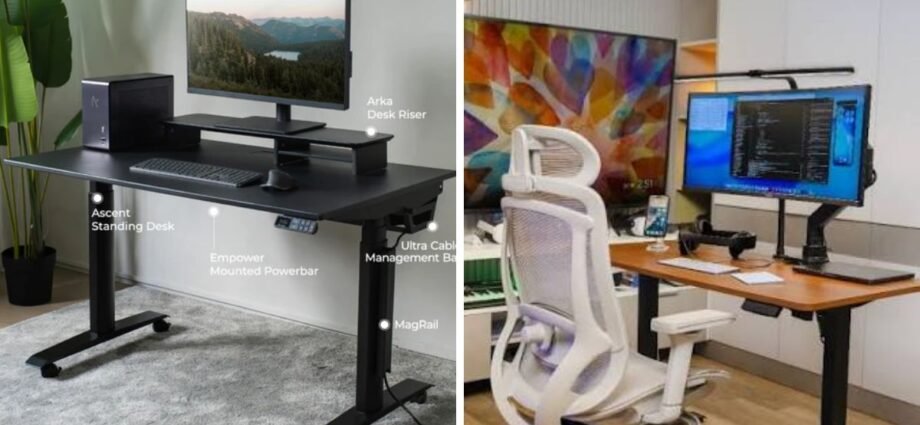
If you have ever wondered what a riser desk is, you are not alone. As more people spend long hours working on computers, the demand for ergonomic office solutions has increased significantly. A riser desk, also known as a standing desk converter or desktop riser, is an adjustable platform that sits on top of an existing desk. Instead of replacing your current workstation with a completely new standing desk, a riser desk allows you to raise your monitor, keyboard, and mouse to a comfortable standing height whenever needed. This simple yet highly effective office accessory gives users the flexibility to alternate between sitting and standing throughout the day. The ability to change positions regularly can make a noticeable difference in overall comfort, posture, and daily productivity. Since it requires little to no installation and is generally more affordable than a full standing desk, a riser desk has become a practical choice for home offices, corporate workplaces, and study environments.
How Does a Riser Desk Work?
A riser desk is designed with an adjustable lifting mechanism that enables users to move the platform up or down depending on their preferred working position. Most models use either a gas spring, mechanical lever, or electric motor to provide smooth height adjustments. When sitting, the platform remains lowered to align with your chair and desk. When you decide to stand, you simply raise the platform until your monitor is at eye level and your keyboard is positioned comfortably for your arms and wrists. The transition takes only a few seconds, making it easy to switch positions multiple times throughout the day. Many modern riser desks are engineered to remain stable during adjustments, allowing monitors, laptops, keyboards, and other accessories to stay securely in place. This convenient design makes it possible to enjoy the advantages of a standing workstation without permanently changing your existing desk setup.
Different Types of Riser Desks
There are several varieties of riser desks available, each designed to meet different workspace requirements and budgets. Manual riser desks rely on gas springs or mechanical lifting systems that users adjust by hand. They are reliable, affordable, and suitable for most office environments. Electric riser desks use built-in motors that allow height adjustments with the press of a button. These models provide effortless operation and are ideal for users who frequently change positions throughout the day. Another common category includes single-tier riser desks, which feature one large platform supporting the monitor, keyboard, mouse, and laptop together. In contrast, dual-tier riser desks separate the monitor from the keyboard by placing them on different levels. This arrangement often creates better ergonomic alignment by allowing users to position their screen and keyboard independently for improved comfort.
Key Features to Look for in a Riser Desk
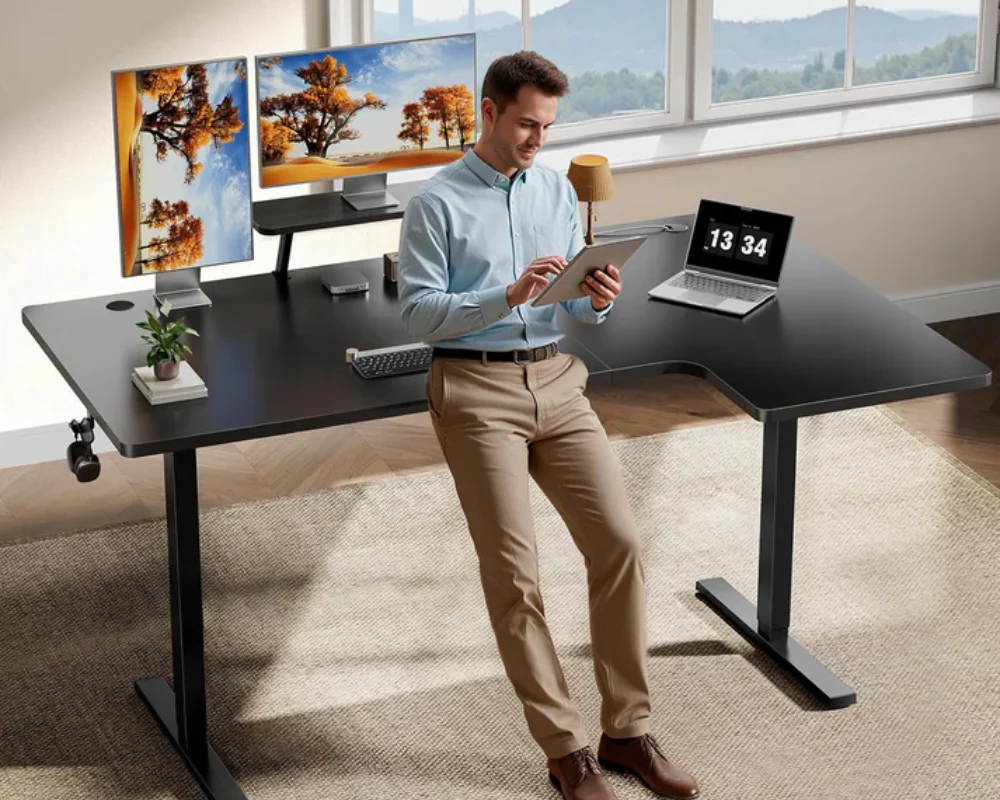
Choosing the right riser desk involves evaluating several important features. One of the most critical factors is the height adjustment range, ensuring the desk accommodates both sitting and standing positions comfortably. Stability is equally important because a sturdy platform prevents monitor shaking while typing. Weight capacity should also be considered, especially if multiple monitors or heavy office equipment will be placed on the desk. The platform size should provide enough room for your computer accessories without creating a cluttered workspace. Some riser desks include dedicated keyboard trays, cable management systems, device holders, and even built-in storage compartments. Smooth lifting mechanisms and locking systems further enhance convenience and safety. Selecting a model with these practical features can greatly improve your overall working experience.
Benefits of Using a Riser Desk
One of the biggest reasons people search for what is a riser desk is to understand its practical benefits. A riser desk encourages healthier working habits by allowing users to alternate between sitting and standing rather than remaining in one position for several hours. This flexibility helps reduce stiffness in the neck, shoulders, and lower back. Taking regular standing breaks can promote healthier blood flow while helping you stay energised during extended work hours.
Many users report increased alertness and better concentration when they regularly change positions throughout the day. Another significant advantage is affordability. Purchasing a desktop riser costs considerably less than replacing an entire office desk with a motorised standing desk. Since most riser desks arrive fully assembled, users can immediately improve their workstation without complicated installation. The portability of these converters also allows them to be moved easily between rooms or offices whenever necessary.
Who Should Use a Riser Desk?
A riser desk is suitable for nearly anyone who spends extended periods working at a computer. Office employees, freelancers, remote workers, students, graphic designers, programmers, writers, and customer service professionals can all benefit from a more ergonomic workspace. Individuals who experience occasional back discomfort due to prolonged sitting may find switching between sitting and standing especially helpful. Businesses are also increasingly providing riser desks to employees as part of workplace wellness initiatives. Because these desks fit on top of existing furniture, they offer a cost-effective solution for organisations seeking ergonomic improvements without replacing every workstation. Even people with limited office space appreciate the compact design of desktop risers, making them ideal for apartments and home offices.
Tips for Using a Riser Desk Effectively
Owning a riser desk alone is not enough to maximise its benefits. Proper usage plays a major role in maintaining comfort and reducing physical strain. Your monitor should remain at eye level so your neck stays in a neutral position while working. Your elbows should bend at approximately ninety degrees when typing, and your wrists should remain straight. When standing, distribute your weight evenly across both feet and avoid locking your knees for long periods. Comfortable footwear and an anti-fatigue mat can make standing more enjoyable during extended sessions. It is also beneficial to alternate between sitting and standing every thirty to sixty minutes rather than remaining in either position for excessive periods. Combining these ergonomic practices with regular movement throughout the day helps create a healthier and more productive work routine.
How to Choose the Best Riser Desk
Selecting the ideal riser desk depends on your workspace, equipment, and daily routine. Begin by measuring your existing desk to ensure the converter fits comfortably without restricting available space. Consider how many monitors you use and verify that the platform offers sufficient surface area and weight capacity. If you frequently adjust your desk height, an electric model may provide greater convenience, while manual versions often offer excellent value for users with simpler requirements. Evaluate build quality, adjustment smoothness, stability, and ease of operation before making a purchase. Reading customer reviews and comparing product specifications can also help identify models that deliver long-term durability and consistent performance. Investing in a high-quality riser desk can improve your comfort for years to come.
Conclusion
Understanding what a riser desk is makes it easier to appreciate why this simple office accessory has become increasingly popular among professionals, students, and remote workers. A riser desk transforms an ordinary workstation into a flexible ergonomic setup by allowing seamless transitions between sitting and standing. Whether you choose a manual or electric model, the ability to adjust your working position throughout the day can contribute to improved comfort, better posture, increased focus, and reduced physical strain. With its affordability, convenience, and minimal setup requirements, a riser desk offers an excellent solution for anyone looking to create a healthier and more efficient workspace without replacing their existing desk.
Frequently Asked Questions (FAQs)
1. What is a riser desk used for?
A riser desk is used to convert a traditional desk into a sit-stand workstation, allowing users to alternate between sitting and standing while working for improved comfort and ergonomics.
2. Is a riser desk better than a standing desk?
A riser desk is often a more affordable and portable option than a full standing desk. It offers many of the same ergonomic benefits while allowing you to continue using your existing desk.
3. Can a riser desk help reduce back pain?
Many users experience less neck, shoulder, and lower back discomfort because a riser desk encourages better posture and allows regular changes between sitting and standing positions.
4. What is the difference between a manual and an electric riser desk?
A manual riser desk is adjusted using a gas spring or mechanical lever, while an electric riser desk uses a motor that raises or lowers the platform with the press of a button.
5. How often should I switch between sitting and standing when using a riser desk?
Most ergonomic experts recommend alternating between sitting and standing every 30 to 60 minutes while also taking short movement breaks throughout the day to maintain comfort and reduce fatigue.
READ MORE: clocktimes