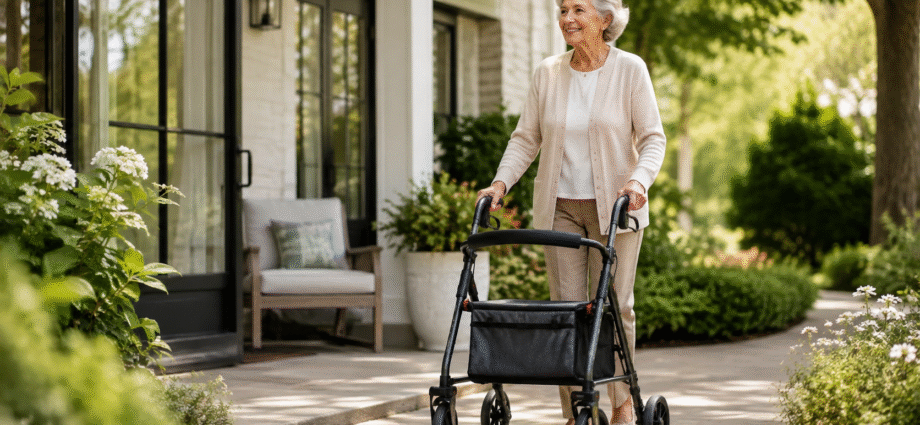
Mobility can change with age, but that does not mean independence has to disappear. For many older adults, walking becomes more difficult because of weaker muscles, balance problems, joint pain, recovery from surgery, or fear of falling. This is where walkers for seniors can make a meaningful difference. A good walker provides extra support while allowing a person to stay active, move around the home, visit family, shop, or enjoy time outside with greater confidence. Choosing the right walker is not only about buying a mobility aid. It is about finding a tool that matches the person’s strength, lifestyle, comfort level, and daily environment.
Why Walkers for Seniors Are So Helpful
Walkers provide a wider and more stable base of support than a cane, which makes them useful for seniors who need extra balance assistance. They can help reduce pressure on the legs, improve stability, and make standing or walking feel less tiring. Many older adults also feel more confident when they have something sturdy to hold while moving. That confidence matters because fear of falling can cause people to avoid activity, which may lead to weaker muscles and reduced independence over time. With the right mobility support, seniors may feel safer moving from room to room and more willing to continue daily routines.
Different Types of Walkers for Seniors
Not all walkers work the same way, so understanding the main types is important. A standard walker usually has four legs with rubber tips and must be lifted slightly with each step. This style offers strong stability and may suit people who need significant support. A two-wheel walker has wheels on the front legs and rubber tips on the back, allowing smoother movement without giving up too much control. Another popular choice is the rollator, which usually has four wheels, hand brakes, and sometimes a built-in seat. Rollator walkers are often preferred by active seniors because they move easily and offer a place to rest, although they may not be suitable for everyone.
Choosing the Right Walker for Individual Needs
The best walker depends on how much support a senior needs. Someone with severe balance problems may benefit from a more stable design, while another person who walks well but tyres easily may prefer a rollator with a seat. It is also important to consider hand strength, because some walkers use brake handles that can be difficult for people with arthritis or limited grip. The user’s height, weight, walking speed, and home layout should also influence the decision. A walker that works well outdoors may be too wide for narrow hallways, while a lightweight model may be easier to carry but may feel less stable for certain users.
Proper Walker Height Matters
A walker should be adjusted to the correct height before regular use. If it is too low, the user may bend forward and place unnecessary stress on the back and shoulders. If it is too high, the arms may remain tense, and the walker may become harder to control. Ideally, the handles should sit near the natural wrist level when the user stands upright with arms relaxed at the sides. When holding the walker, the elbows should remain slightly bent. Proper adjustment encourages better posture and can make walking support feel more comfortable during longer periods of use.
Safety Features to Look For
Safety should be one of the main priorities when choosing walkers for seniors. Strong frames, secure grips, non-slip rubber tips, reliable wheels, and stable brakes can all make a major difference. For rollators, the hand brakes should be easy to squeeze and should lock securely when the user sits down. A padded seat and backrest may add comfort, while reflective strips can improve visibility outdoors. It is also smart to check the walker’s weight capacity before purchase. Accessories such as storage baskets and trays are useful, but they should never interfere with balance or make the walker difficult to control.
Using a Walker Correctly
Even the best walker can be unsafe if it is used incorrectly. Seniors should move the walker forward only a short distance before stepping into it rather than pushing it too far ahead. The body should remain upright, with the walker kept close enough to provide support. When turning, small steps are usually safer than twisting quickly. For rollators, brakes should be locked before sitting down or standing up from the seat. Seniors should also avoid pulling on the walker to stand from a chair unless the design specifically supports that action. Learning the correct technique can greatly improve both balance and safety.
Indoor and Outdoor Use
A walker may need to perform differently depending on where it is used. Indoors, narrow frames and smooth wheels can help with doorways, furniture, and tight spaces. Outdoors, larger wheels may handle uneven sidewalks and small bumps more easily. Seniors should be especially careful on wet surfaces, loose gravel, thick carpets, and steep slopes. Good lighting is also important inside the home, especially at night. Clearing away loose rugs, cords, and other obstacles can create a safer walking space. A well-organised environment helps the walker work as intended and reduces the chance of trips or sudden stops.
Comfort and Daily Convenience
Comfort can determine whether a senior uses a walker consistently. Soft hand grips may reduce pressure on the palms, while padded seats are useful for people who need frequent rest breaks. Storage bags or baskets can make it easier to carry water, glasses, medication, or small personal items without taking the hands off the walker. Some models fold for travel or storage, which is helpful for families who frequently use a car. A lightweight folding walker can be especially practical for appointments, shopping trips, and visits. The goal is to choose a model that supports daily life without becoming a burden.
Maintaining a Walker Over Time
Regular maintenance helps keep a walker safe. Rubber tips should be checked for wear, and wheels should roll smoothly without sticking or wobbling. Brake cables on rollators should be inspected to make sure they respond properly. Loose bolts or handles should be tightened, and damaged parts should be replaced rather than ignored. Cleaning the frame and grips can also improve comfort and hygiene. Seniors who use a walker every day should check it frequently because small problems can become safety risks if they are left untreated. A well-maintained walker can remain reliable for years.
Frequently Asked Questions
1. Who should use walkers for seniors?
Walkers may help older adults who experience balance problems, leg weakness, joint pain, fatigue, or difficulty walking without support. The right type depends on individual needs.
2. Is a walker better than a cane?
A walker usually provides more stability than a cane because it creates a wider base of support. A cane may be enough for mild balance issues, while a walker may suit those who need greater assistance.
3. Are rollators safe for seniors?
Yes, rollators can be safe when used properly. However, users should be able to control the wheels and operate the brakes comfortably.
4. Can seniors use walkers outdoors?
Yes. Many walkers are suitable for outdoor use, especially models with larger wheels. Users should still avoid slippery or very uneven surfaces whenever possible.
5. How do I know if a walker is the correct height?
The handles should generally sit around wrist level when the user stands upright with arms relaxed. The elbows should remain slightly bent while holding the walker.
Conclusion
Walkers for seniors can play an important role in helping older adults remain active, confident, and independent. The right walker offers support without feeling difficult or uncomfortable. Factors such as stability, height, wheel type, brakes, weight capacity, and home environment should all be considered before choosing a model. Proper adjustment and safe walking techniques are just as important as the walker itself. With the right fit and regular maintenance, a walker can make everyday activities feel safer and more manageable while giving seniors the confidence to keep moving and enjoying daily life.
READ MORE: clocktimes