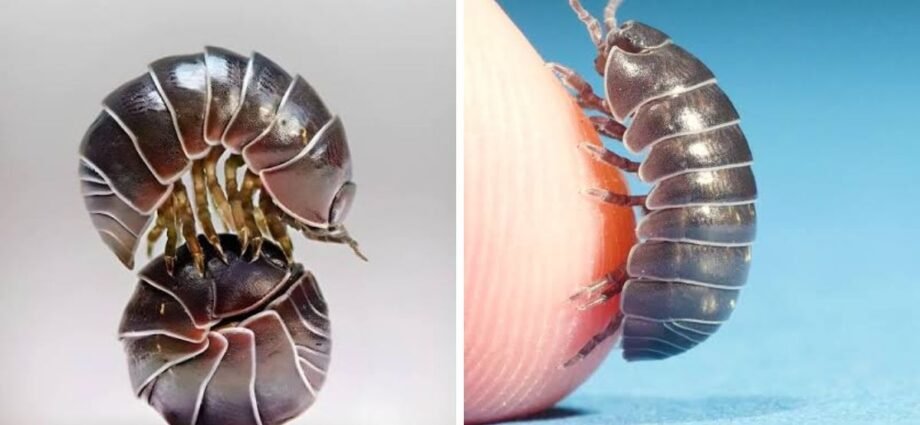
The roly poly is one of the most recognisable small creatures found in gardens, forests, and damp outdoor spaces. Many people remember picking one up as children and watching it curl into a tiny ball whenever it felt threatened. This unique defensive behaviour has made the roly poly a favourite among nature lovers and curious children alike. Although many people believe it is an insect, this fascinating creature actually belongs to a completely different group of animals. Its important role in nature, unusual body structure, and ability to survive on land while remaining closely related to aquatic crustaceans make it an incredible subject to explore. Whether you have spotted them beneath rocks, flower pots, or fallen leaves, understanding how a roly poly lives can help you appreciate its valuable contribution to healthy ecosystems.
What Is a Roly Poly?
A roly poly, commonly known as a pill bug, is a small terrestrial crustacean that belongs to the order Isopoda. Unlike insects, which have six legs, a roly poly has fourteen legs, a segmented body, and a hard protective shell. Its scientific classification places it much closer to crabs, lobsters, and shrimp than to beetles or ants. The nickname “roly poly” comes from its remarkable ability to roll itself into a perfectly tight ball whenever it senses danger. This defensive posture protects its softer underside from predators while making it more difficult for attackers to grab or injure it. Their rounded appearance and harmless nature have made them one of the most familiar creatures found in gardens across many parts of the world.
Where Do Roly Polies Live?
A roly poly thrives in moist, cool environments where it can avoid drying out. Because it breathes through specialised gill-like structures, it depends on humidity for survival. These tiny creatures are commonly found beneath rocks, logs, mulch, compost piles, bricks, flower pots, and layers of damp leaves. Gardens, forests, parks, and shaded yards provide ideal habitats because they contain abundant organic matter and moisture. During hot or dry weather, roly polies remain hidden beneath protective cover until conditions become more favourable. They are active mostly during the night, reducing the risk of dehydration while searching for food across the soil surface.
Why Does a Roly Poly Roll Into a Ball?
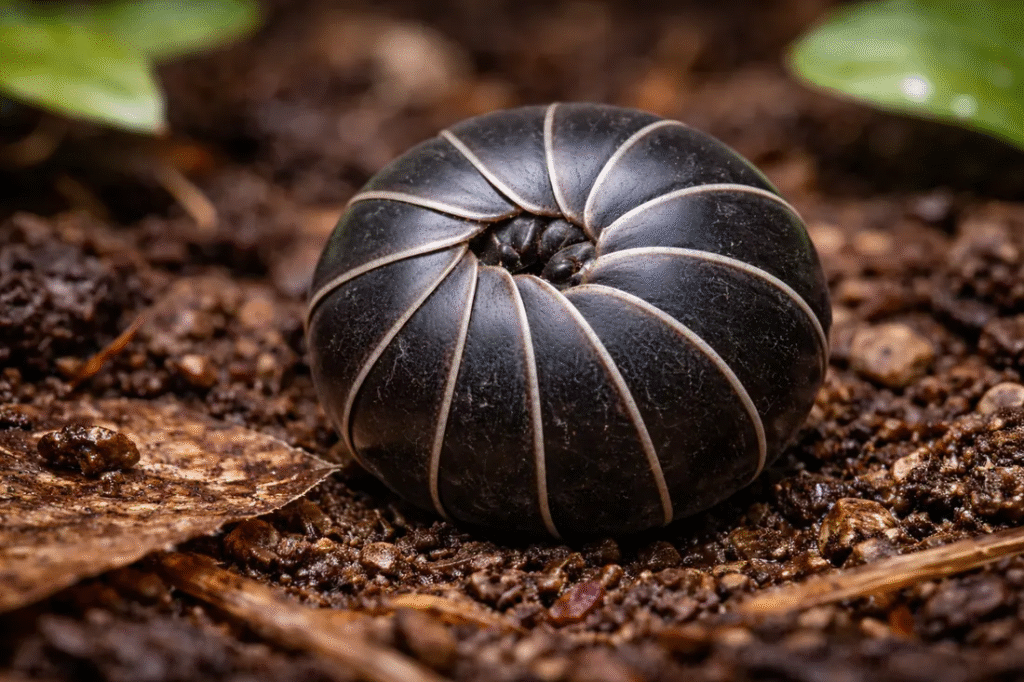
The most famous characteristic of a roly poly is its ability to curl into a tight sphere. This behaviour is a natural defence mechanism called conglobation. When threatened by birds, spiders, frogs, or other predators, the roly poly quickly folds its body inward, shielding its vulnerable underside beneath its hard outer shell. In this position, only the armoured exterior remains exposed, significantly increasing its chances of survival. Rolling into a ball also helps reduce moisture loss during dry conditions, allowing the creature to conserve water until it can return to a humid environment. This clever adaptation has allowed roly polies to survive for millions of years despite their small size.
What Does a Roly Poly Eat?
A roly poly plays an important role as a natural recycler by feeding primarily on decaying organic matter. Its diet mainly consists of fallen leaves, decaying wood, decomposing vegetation, fungi, algae, and other natural organic debris found on the forest floor and in gardens. As these materials pass through the digestive system, nutrients are returned to the soil, improving its quality and supporting healthy plant growth. Occasionally, roly polies may nibble on young seedlings or tender garden plants, especially when food sources are limited, but this damage is generally minor. Their preference for decomposing material makes them valuable members of compost piles and healthy garden ecosystems.
The Life Cycle of a Roly Poly
The life cycle of a roly poly begins when females carry fertilised eggs inside a specialised pouch located beneath their bodies. This protective brood pouch keeps the developing young moist and safe until they hatch. Newly hatched baby roly polies closely resemble miniature adults, although they are much smaller and lighter in colour. As they grow, they repeatedly shed their exoskeleton in a process known as moulting. Interestingly, they usually moult in two stages, first shedding the rear half of the shell and later the front portion. This unusual process allows them to continue growing while maintaining protection. Depending on environmental conditions, a roly poly may live for two to three years.
Are Roly Polies Good for Gardens?
In most situations, roly polies are highly beneficial to gardens. By consuming dead plant material, they accelerate decomposition and help create nutrient-rich soil. Their feeding activity contributes to improved soil structure while supporting the natural recycling of essential minerals. Compost piles often contain large numbers of roly polies because they help break down organic waste more efficiently. Although they may occasionally feed on delicate seedlings during periods of limited food availability, healthy gardens rarely experience serious problems from these creatures. Many gardeners actually welcome their presence because they indicate moist, biologically active soil with abundant organic matter.
Interesting Facts About Roly Poly
The roly poly has several fascinating characteristics that surprise many people. It is one of the few crustaceans capable of spending nearly its entire life on land while still requiring moisture to breathe properly. Instead of blood, it circulates a bluish fluid that contains copper-based molecules for transporting oxygen. It has compound eyes that help detect movement and danger in its surroundings. Unlike many small animals, roly polies cannot bite, sting, or spread diseases to humans, making them completely harmless to handle. Their hard shell offers excellent protection, and they communicate primarily through chemical signals released into their environment. These remarkable adaptations have helped them survive across a wide range of climates around the world.
Can You Keep a Roly Poly as a Pet?
Many children and nature enthusiasts enjoy keeping a roly poly for short observation periods. They require a simple enclosure filled with moist soil, leaf litter, bark, and small pieces of decaying wood. Maintaining adequate humidity is essential because dry conditions can quickly become harmful. Their diet should consist mainly of dead leaves, vegetable scraps, and natural organic matter rather than processed foods. Since they are peaceful creatures, several individuals can comfortably live together in the same habitat. After observing their fascinating behaviour and learning about their ecological importance, many people choose to release them back into their natural environment, where they continue benefiting local ecosystems.
Common Myths About Roly Poly
Several myths continue to surround the roly poly, often leading to misunderstandings about these harmless creatures. One of the most common misconceptions is that they are insects, when they are actually crustaceans. Another myth claims they damage gardens extensively, but in reality they mainly consume decaying vegetation rather than healthy plants. Some people also believe they are dangerous or poisonous, yet they pose no threat to humans or household pets. Their tendency to roll into a ball is sometimes mistaken as a sign of aggression, although it is simply a protective response against predators. Understanding these facts helps people appreciate the important ecological role these tiny recyclers perform.
Conclusion
The roly poly may be small, but it performs an incredibly valuable role in maintaining healthy ecosystems. By breaking down dead organic material, enriching the soil with valuable nutrients, and promoting healthy decomposition, the roly poly plays a vital role in maintaining thriving gardens and forest ecosystems. Its famous habit of rolling into a protective ball has fascinated generations while serving as an effective survival strategy against predators. Although often mistaken for an insect, this remarkable crustacean possesses unique biological features that set it apart from most land-dwelling creatures. By understanding its habitat, diet, behaviour, and environmental importance, it becomes clear that the humble roly poly deserves appreciation as one of nature’s most helpful little recyclers.
Frequently Asked Questions
1. Is a roly poly an insect?
No. A roly poly is a terrestrial crustacean, making it more closely related to crabs, lobsters, and shrimp than insects.
2. Why does a roly poly roll into a ball?
It rolls into a ball as a defence mechanism to protect its soft underside from predators and reduce moisture loss.
3. What do roly polies eat?
They mainly feed on decaying leaves, rotting wood, fungi, and other organic matter, helping recycle nutrients into the soil.
4. Are roly polies harmful to humans?
No. Roly polies are completely harmless. They do not bite, sting, or spread diseases to people.
5. Are roly polies good for gardens?
Yes. They improve soil health by breaking down dead organic material and supporting the natural decomposition process, making them beneficial in most gardens.
READ MORE: clocktimes