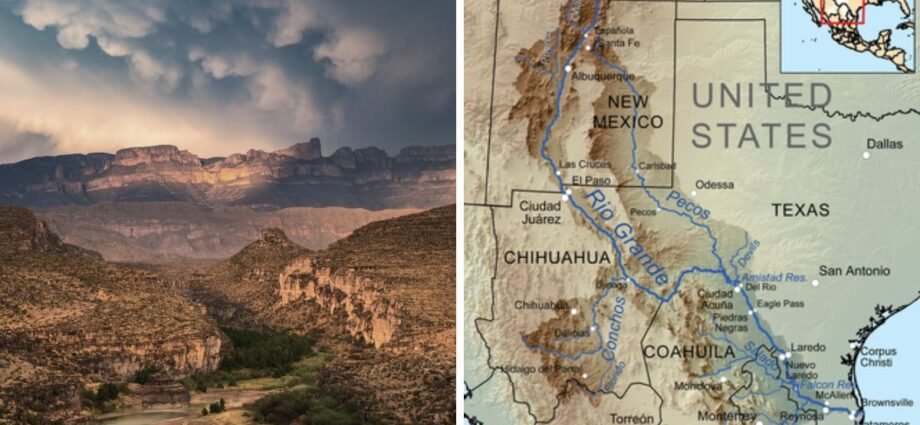
The Rio Grande River is one of the most remarkable and historically significant rivers in North America. Stretching nearly 1,900 miles from the snow-covered mountains of Colorado to the Gulf of Mexico, it has shaped landscapes, civilisations, and ecosystems for thousands of years. More than just a waterway, the river is a lifeline for millions of people living across the United States and Mexico. It supplies drinking water, irrigates vast agricultural lands, supports wildlife, fuels tourism, and serves as a natural international boundary for much of its course. Despite its enormous importance, the Rio Grande River faces growing environmental pressures caused by climate change, increasing water demand, prolonged drought, and human development. Understanding its geography, ecological value, and modern challenges is essential for appreciating why protecting this river has become one of the most urgent environmental priorities in North America.
The Origin and Course of the Rio Grande River
The Rio Grande River begins high in the San Juan Mountains of southern Colorado at an elevation of approximately 12,000 feet above sea level. Fed by melting snow and mountain streams, the river starts as a clear, cold watercourse before gradually widening as it flows south through diverse landscapes. It crosses the broad valleys of Colorado before entering New Mexico, where it passes through spectacular natural formations, including the famous Río Grande Gorge, a deep canyon carved over millions of years.
As the river continues south, it reaches El Paso, Texas, where it begins serving as the international border between the United States and Mexico for approximately 1,240 miles. Along this stretch, the river separates Texas from the Mexican states of Chihuahua, Coahuila, Nuevo León, and Tamaulipas before finally emptying into the Gulf of Mexico near Boca Chica, Texas. Throughout its journey, the Rio Grande River changes dramatically in size and flow depending on seasonal rainfall, snowmelt, water usage, and reservoir management, making it one of the most carefully managed river systems in North America.
Historical Importance of the Rio Grande River
For thousands of years, Indigenous communities relied on the Rio Grande River for fresh water, fishing, farming, and transportation. Long before European explorers arrived, Native American tribes established settlements along its fertile floodplains, benefiting from the river’s reliable water supply in an otherwise arid environment.
Spanish explorers later named the river “Rio Grande,” meaning “Big River,” while in Mexico it became known as the Río Bravo del Norte, which translates to “Brave River of the North.” During the nineteenth century, the river gained even greater significance following the Mexican-American War. The Treaty of Guadalupe Hidalgo in 1848 established much of the Rio Grande as the official international boundary between the United States and Mexico. Since then, it has remained both a political landmark and a symbol of shared natural resources requiring cooperation between two nations.
Why the Rio Grande River Is So Important
The Rio Grande River provides essential benefits that extend far beyond its banks. More than six million people depend on the river for municipal drinking water, while thousands of farms rely on its irrigation systems to grow crops such as cotton, pecans, onions, peppers, and vegetables. Without the river, much of the surrounding desert landscape would be unsuitable for large-scale agriculture.
The river also supports industries, hydroelectric facilities, recreational businesses, and local economies throughout Colorado, New Mexico, Texas, and northern Mexico. Numerous reservoirs constructed along the river help regulate water supplies, reduce flooding, and store water during wet seasons for use during periods of drought. In addition, the Rio Grande River plays an essential cultural role, connecting communities that have shared its resources and traditions for generations.
Wildlife and Natural Ecosystems Along the River
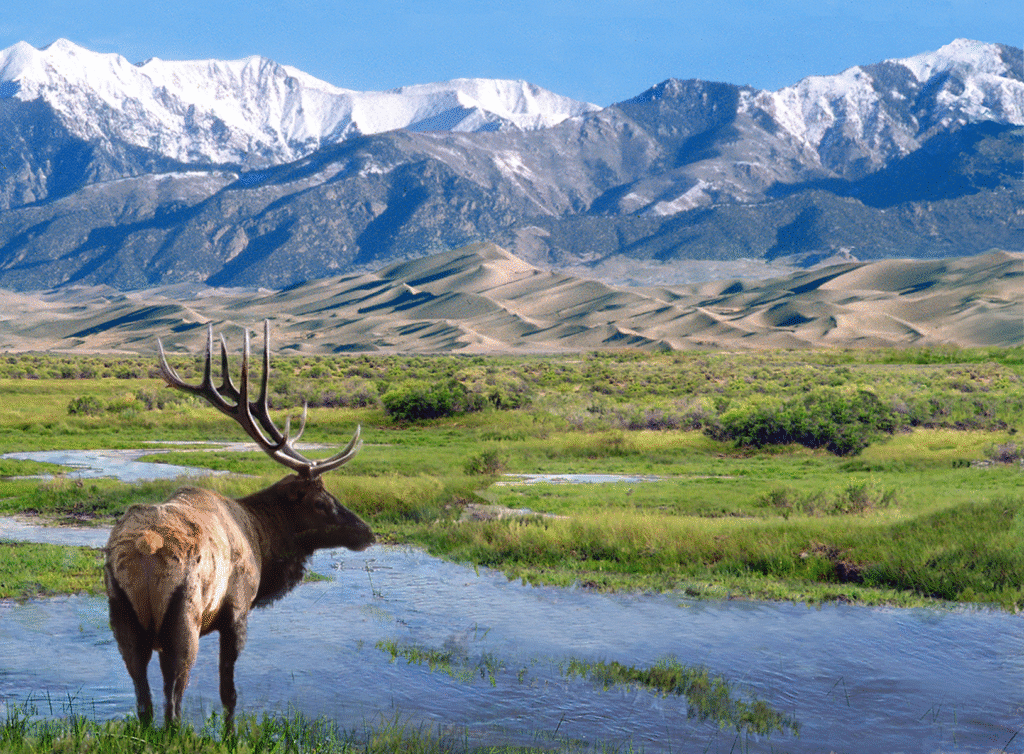
One of the most fascinating aspects of the Rio Grande River is the incredible biodiversity found along its riparian corridor. Flowing through the Chihuahuan Desert, the river creates a narrow but vital green habitat that supports hundreds of plant and animal species. These riverside ecosystems offer food, shelter, and breeding grounds for wildlife that could not survive in the surrounding dry landscapes.
Each year, thousands of migratory birds travel along the river during seasonal migrations. Large flocks of sandhill cranes stop to rest and feed before continuing their journeys, making the river an internationally recognised bird migration corridor. The river also provides habitat for endangered species, including the Rio Grande silvery minnow and the Texas hornshell mussel, both of which depend on healthy river conditions for survival.
Cottonwood trees, willows, native grasses, and wetlands help stabilise riverbanks while providing homes for mammals, reptiles, amphibians, and countless insects. These ecosystems also improve water quality and reduce erosion, making them essential components of the river’s overall health.
Environmental Challenges Facing the Rio Grande River
Although its name suggests a mighty river, today’s Rio Grande River faces unprecedented environmental challenges. Decades of increasing water consumption, expanding cities, agricultural irrigation, dam construction, and prolonged drought have dramatically reduced its natural flow. Scientists estimate that portions of the river now carry only a small percentage of the water they once transported naturally.
Climate change has intensified these problems by reducing mountain snowpacks and causing warmer temperatures throughout the watershed. Smaller snowpacks mean less spring runoff, while hotter summers increase evaporation and water demand. As a result, sections of the river near Albuquerque and parts of West Texas often dry completely during late spring and summer, creating long stretches of exposed riverbed.
Water quality has also become a growing concern. Reduced flow concentrates pollutants and sediments, placing additional stress on aquatic ecosystems. Maintaining enough water to meet human needs while preserving wildlife habitats has become an increasingly difficult balancing act for water managers and policymakers.
Recreation and Tourism on the Rio Grande River
Despite ongoing environmental challenges, the Rio Grande River remains one of the Southwest’s premier outdoor recreation destinations. Visitors from around the world enjoy rafting, kayaking, canoeing, fishing, birdwatching, hiking, and photography along various sections of the river. The dramatic scenery of Big Bend National Park attracts thousands of adventure seekers every year, offering breathtaking canyon landscapes and exciting river excursions.
Northern New Mexico is especially popular for whitewater rafting through the Río Grande Gorge, where fast-moving rapids provide thrilling experiences for both beginners and experienced paddlers. Calmer sections of the river support family-friendly activities such as fishing, swimming, and wildlife observation. Tourism related to the Rio Grande River contributes significantly to local economies while encouraging conservation through increased public appreciation of this extraordinary natural resource.
The Future of the Rio Grande River
The future of the Rio Grande River depends on sustainable water management, international cooperation, and continued conservation efforts. Governments, scientists, environmental organisations, farmers, and local communities are working together to improve irrigation efficiency, restore wetlands, protect endangered species, and develop long-term strategies for adapting to climate change.
Modern technologies such as improved water monitoring systems, conservation-focused agriculture, and habitat restoration projects offer hope for preserving the river’s ecological health while continuing to meet the needs of growing populations. Public awareness also plays a critical role, as responsible water use by individuals and communities can help reduce pressure on this already stressed river system. Protecting the Rio Grande River is not simply about preserving a famous river—it is about safeguarding water security, biodiversity, agriculture, and cultural heritage for future generations.
Conclusion
The Rio Grande River remains one of North America’s most valuable natural resources, connecting mountains, deserts, cities, farms, and diverse ecosystems across two nations. Its waters sustain millions of people, nourish agriculture, support remarkable wildlife, and provide countless recreational opportunities. However, increasing environmental pressures threaten the river’s long-term health and reliability. By embracing sustainable water management, habitat restoration, and responsible conservation practices, society can help ensure that the Rio Grande River continues to serve as a vital source of life and prosperity for generations to come. Preserving this iconic river is not only an environmental responsibility but also an investment in the future of the communities and ecosystems that depend on it every day.
Frequently Asked Questions (FAQs)
1. Where does the Rio Grande River begin?
The Rio Grande River originates in the San Juan Mountains of southern Colorado at an elevation of about 12,000 feet before flowing south toward the Gulf of Mexico.
2. How long is the Rio Grande River?
The Rio Grande River is approximately 1,896 miles (3,051 kilometres) long, making it one of the longest rivers in North America.
3. Why is the Rio Grande River important?
The river provides drinking water for millions of people, irrigates farmland, supports wildlife habitats, generates recreation opportunities, and forms a major portion of the border between the United States and Mexico.
4. What wildlife lives along the Rio Grande River?
The river supports many species, including sandhill cranes, the Rio Grande silvery minnow, the Texas hornshell mussel, numerous fish, mammals, reptiles, and a wide variety of migratory birds.
5. Why is the Rio Grande River drying up?
The river is experiencing reduced water flow because of prolonged drought, climate change, increased water withdrawals for agriculture and cities, dam construction, and lower mountain snowpack, all of which decrease the amount of water reaching downstream sections.
READ MORE: clocktimes