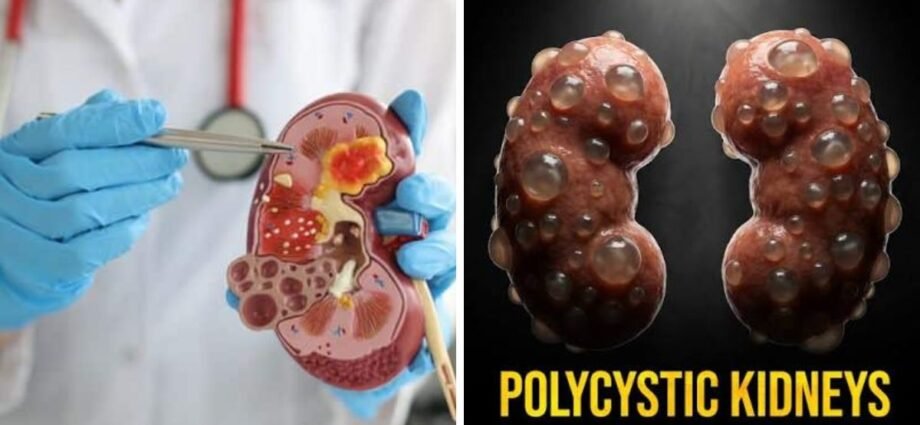
Polycystic kidney disease is a long-term genetic disorder in which numerous fluid-filled cysts gradually develop within the kidneys, leading to enlargement of the organs and progressive loss of normal kidney function. These cysts are not cancerous, but their continuous growth places pressure on healthy kidney tissue, reducing its ability to filter waste and maintain fluid balance in the body. Over time, this condition can lead to chronic kidney disease and even kidney failure if not properly managed. What makes polycystic kidney disease particularly challenging is that it often progresses silently for years before noticeable symptoms appear, making early detection difficult without medical screening or family history awareness.
Causes and Genetic Basis of Polycystic Kidney Disease
The primary cause of polycystic kidney disease is an inherited genetic mutation, meaning the condition is passed from parents to children through specific genes. In most cases, the disorder is linked to mutations in either the PKD1 or PKD2 genes, which are responsible for regulating normal kidney cell growth and function. When these genes are defective, kidney cells begin to multiply abnormally, leading to cyst formation.
There are two main types of inheritance patterns: Autosomal Dominant Polycystic Kidney Disease (ADPKD), which is the most common form and usually appears in adulthood, and Autosomal Recessive Polycystic Kidney Disease (ARPKD), which is rare and often presents in infancy or early childhood. In ADPKD, a child has a 50% chance of inheriting the condition if one parent carries the mutated gene, while ARPKD requires both parents to pass on the defective gene. This genetic nature makes family history one of the strongest risk factors for developing polycystic kidney disease.
How Polycystic Kidney Disease Affects the Body
As polycystic kidney disease progresses, the kidneys become increasingly filled with cysts that vary in size and number. These cysts slowly enlarge the kidneys, sometimes making them several times larger than normal. The growing cysts compress nearby healthy tissue, reducing the kidneys’ ability to perform essential functions such as filtering waste, balancing electrolytes, and regulating blood pressure. Over time, this leads to reduced kidney efficiency and contributes to chronic kidney disease. In addition to the kidneys, cysts may also develop in other organs, particularly the liver, and in some cases, complications can affect blood vessels in the brain, increasing the risk of aneurysms.
The progressive nature of the disease means that kidney damage accumulates gradually, often without severe symptoms in early stages, which is why many individuals remain undiagnosed until adulthood.
Symptoms of Polycystic Kidney Disease
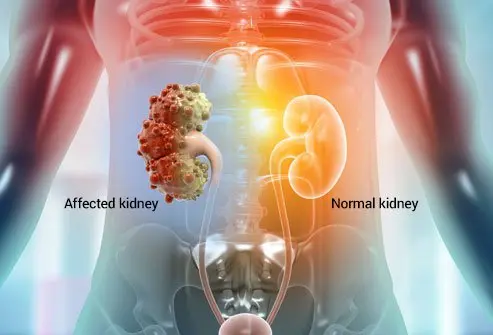
The symptoms of polycystic kidney disease vary depending on the stage of progression, but they typically become more noticeable as cysts enlarge. One of the earliest and most common symptoms is high blood pressure (hypertension), which occurs due to disrupted kidney function and increased fluid retention. Many patients also experience persistent pain or discomfort in the back or sides, caused by the expansion of cysts stretching the kidney capsule.
Blood in the urine, known as hematuria, may occur when cysts rupture or bleed internally. As the disease progresses, individuals may notice abdominal fullness or swelling due to enlarged kidneys. Frequent urinary tract infections and kidney stones are also common complications. In advanced stages, symptoms of kidney failure such as fatigue, swelling in the legs, nausea, and difficulty concentrating may appear, indicating severe loss of kidney function.
Diagnosis of Polycystic Kidney Disease
Diagnosis of polycystic kidney disease typically involves a combination of imaging tests, family history evaluation, and sometimes genetic testing. Ultrasound is the most commonly used and accessible imaging method, allowing doctors to detect the presence and number of kidney cysts. In more complex cases, CT scans or MRI may be used to provide detailed images of kidney structure and cyst distribution.
Genetic testing can confirm mutations in PKD1 or PKD2 genes, especially when family history is unclear or when early diagnosis is required. Doctors assess kidney health using blood tests that check creatinine levels and calculate the estimated glomerular filtration rate (eGFR) to evaluate how effectively the kidneys remove waste from the body. Early diagnosis plays a crucial role in managing the disease, as it allows patients to adopt preventive measures that can slow progression and protect kidney function.
Treatment and Management of Polycystic Kidney Disease
There is currently no complete cure for polycystic kidney disease, but several treatment approaches can help slow its progression and manage symptoms effectively. The primary focus of treatment is controlling blood pressure, as hypertension management significantly reduces stress on the kidneys. Doctors often prescribe medications like ACE inhibitors or ARBs to help control blood pressure and protect kidney function. In certain patients with rapidly progressing ADPKD, a medication called Tolvaptan may be used to slow cyst growth and preserve kidney function for a longer period.
Lifestyle changes are equally important, including reducing salt intake, maintaining proper hydration, avoiding smoking, and limiting the use of medications that may harm the kidneys, such as nonsteroidal anti-inflammatory drugs. In advanced cases where kidney function declines significantly, patients may require dialysis or kidney transplantation to survive. Regular medical monitoring is essential to track disease progression and adjust treatment strategies accordingly.
Complications Associated with Polycystic Kidney Disease
Polycystic kidney disease can lead to several complications beyond kidney failure if not properly managed. One major complication is chronic kidney disease, which gradually worsens over time and may progress to end-stage renal disease. Another serious risk is the development of liver cysts, which are common in adults with ADPKD and can sometimes cause abdominal discomfort or infection. In some cases, patients may develop brain aneurysms, which are weakened blood vessels that can rupture and cause life-threatening bleeding.
Heart valve abnormalities, particularly mitral valve prolapse, may also occur in some individuals. Additionally, recurrent urinary tract infections and kidney stones can significantly affect quality of life. These complications highlight the importance of ongoing medical care and early intervention in managing polycystic kidney disease.
Living with Polycystic Kidney Disease
Living with polycystic kidney disease requires long-term adjustments in lifestyle, diet, and medical care. Patients are encouraged to follow a kidney-friendly diet that is low in sodium and balanced in protein intake to reduce strain on the kidneys. Staying physically active, maintaining a healthy weight, and managing blood pressure are crucial steps in slowing disease progression. Emotional and psychological support is also important, as chronic illnesses can lead to stress and anxiety. Regular check-ups with healthcare providers help ensure that any changes in kidney function are detected early. With proper management, many individuals with polycystic kidney disease can maintain a good quality of life for many years before requiring advanced treatment.
Frequently Asked Questions (FAQs)
1. What is polycystic kidney disease?
Polycystic kidney disease is a genetic disorder where fluid-filled cysts grow in the kidneys, leading to enlargement and reduced kidney function over time.
2. Is polycystic kidney disease curable?
There is currently no cure, but treatment can help manage symptoms and slow the progression of the disease.
3. What are the first signs of polycystic kidney disease?
Early signs often include high blood pressure, mild back pain, and occasional blood in the urine.
4. Can polycystic kidney disease lead to kidney failure?
Yes, in many cases, the disease can progress to chronic kidney disease and eventually kidney failure if not properly managed.
5. How is polycystic kidney disease diagnosed?
It is diagnosed using imaging tests like ultrasound, CT scan, or MRI, along with genetic testing and kidney function blood tests.
Conclusion
Polycystic kidney disease is a progressive genetic condition that significantly affects kidney structure and function over time. Although it cannot currently be cured, early diagnosis, proper medical care, and consistent lifestyle management can greatly slow its progression and improve quality of life. Understanding the symptoms, genetic factors, and treatment options is essential for patients and families affected by this condition. With ongoing research and advancements in medical science, there is hope for more effective therapies in the future that may further improve outcomes for individuals living with polycystic kidney disease.
READ MORE: clocktimes