The fringe dress has long been recognised as one of the most visually captivating pieces in fashion history. Known for its dynamic movement and textured appeal, it instantly transforms the wearer’s presence, creating a sense of rhythm and fluidity with every step. A fringe dress is not just clothing; it is a statement of confidence, individuality, and expressive style. Whether seen on runways, red carpets, or party scenes, this garment continues to redefine what it means to dress boldly. Its charm lies in how it combines structure with motion, turning a simple silhouette into a lively and eye-catching ensemble that commands attention without effort.
History of the Fringe Dress
The origins of the fringe dress trace back to ancient civilisations, where fringe details were used in garments for both decorative and functional purposes. However, its most iconic rise came during the 1920s, the era of flapper culture. During this time, fringe became a symbol of liberation and rebellion against traditional fashion norms. Women embraced shorter hemlines and loose silhouettes, and the fringe design added movement that matched the energetic spirit of jazz music and dance halls. Over the decades, this style evolved, appearing in Western wear, bohemian fashion, and high-end couture collections. Today, it stands as a fashion trend that bridges vintage inspiration with modern aesthetics, proving its timeless adaptability.
Modern Relevance in Fashion
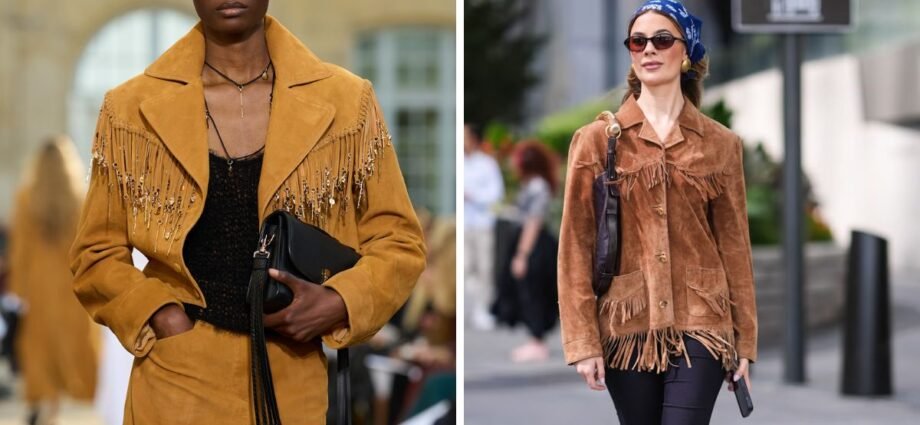
In contemporary fashion, the fringe dress has undergone a significant transformation. Designers now experiment with materials such as sequins, beads, metallic threads, and even leather to reinvent their appeal. It has moved beyond retro party wear and now features in both high-end designer collections and everyday street fashion. The movement of fringe adds a visual dimension that photography and social media love, making it a favourite for influencers and celebrities. This renewed popularity highlights how the fringe dress continues to evolve while maintaining its core identity—dynamic movement and expressive design. Its versatility allows it to fit both minimalistic and extravagant styling preferences, making it relevant across generations.
Types and Styles of Fringe Dress
There are several variations of the fringe dress, each catering to different fashion tastes and occasions. The flapper-inspired style remains one of the most recognisable, featuring dense fringe layers that create a shimmering effect with movement. Another popular variation is the modern minimalist fringe dress, which uses fringe sparingly along hems or sleeves for a subtle yet sophisticated look. Bohemian-inspired designs incorporate suede or fabric strips, offering a relaxed and earthy vibe ideal for festivals. On the other end of the spectrum, party-focused designs use sequins, metallic accents, and bold cuts to create a dramatic visual impact. Each version of the fringe dress highlights the same principle: enhancing fabric movement to bring life to the outfit.
How to Style a Fringe Dress
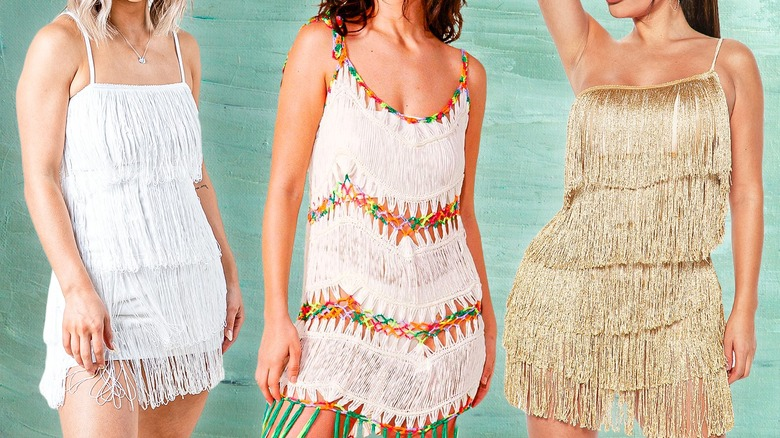
Styling a fringe dress requires balance because the dress itself is already a statement piece. Pairing it with minimal accessories is often the best approach. Simple heels or ankle boots complement the movement without distracting from it. When it comes to jewellery, subtle pieces such as stud earrings or thin bracelets work best. For outerwear, structured blazers or fitted jackets can help tone down the drama while maintaining elegance. Makeup can also play a role; a clean, glowing base with either bold lips or soft eyes helps complete the look. The goal is to let the fringe dress remain the centrepiece while enhancing overall harmony in the outfit.
Occasions to Wear a Fringe Dress
The fringe dress is suitable for a wide range of occasions, depending on its design and styling. For evening parties and nightlife events, sequined or body-hugging fringe dresses create a glamorous presence. Weddings and formal gatherings often call for more refined and elegant versions with subtle embellishments. Festival environments are perfect for bohemian fringe styles that allow freedom of movement and a relaxed vibe. Even themed events or fashion-forward photoshoots provide an opportunity to experiment with bold fringe designs. Its adaptability is one of the reasons the fringe dress remains a favourite in both casual and luxury fashion spaces.
Buying Guide and Care Tips
When selecting a fringe dress, fabric quality should be a top priority. High-quality materials ensure durability and better movement, especially in heavily layered designs. Fit is equally important, as fringe can add visual weight, making structure essential for balance. Choosing the right length—mini, midi, or maxi—depends on body type and occasion. Maintenance also plays a key role; fringe garments should be stored carefully to prevent tangling or damage. Gentle hand washing or professional cleaning is often recommended to preserve texture and detailing. Proper care ensures that the fringe dress maintains its beauty and longevity over time.
Conclusion
The fringe dress continues to stand as a powerful expression of fashion creativity and individuality. Its ability to merge history with modern design makes it a truly timeless wardrobe piece. From its origins in the roaring 1920s to its presence in today’s fashion-forward world, it has never lost its appeal. Whether styled for elegance, rebellion, or celebration, the fringe dress remains a symbol of movement, energy, and bold style choices. It goes beyond being a simple outfit, becoming a moving expression of confidence and personal style.
FAQs
1. What makes a fringe dress unique in fashion?
A fringe dress is unique because it incorporates movement into its design, creating a dynamic visual effect that stands out in any setting.
2. Can a fringe dress be worn casually?
Yes, simpler versions of the fringe dress can be styled casually with minimal accessories and flat footwear for a relaxed look.
3. What body types suit a fringe dress best?
A fringe dress suits most body types, but choosing the right cut and placement of fringe helps enhance proportions effectively.
4. Are fringe dresses still in trend today?
Yes, the fringe dress remains a strong fashion trend, frequently appearing in modern collections and street style fashion.
5. How should a fringe dress be maintained?
It should be handled carefully, ideally dry-cleaned or gently hand-washed, and stored in a way that prevents tangling of the fringe.
READ MORE: clocktimes