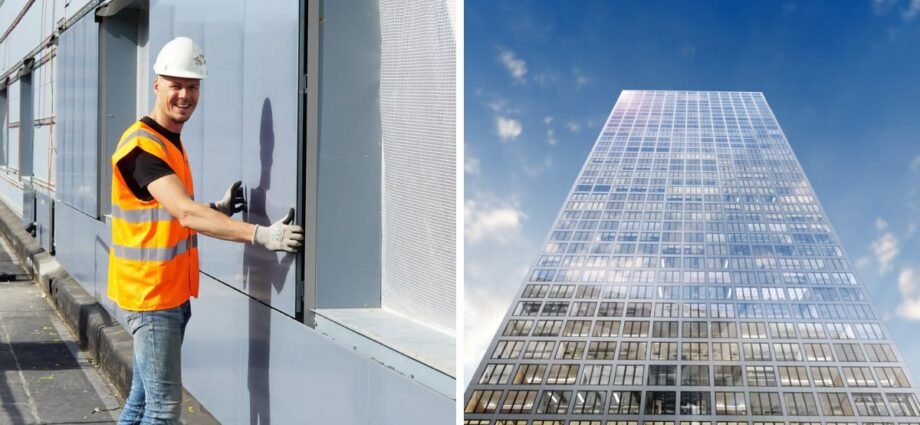
Modern buildings are no longer designed to simply provide shelter. Today, they are expected to improve energy efficiency, reduce environmental impact, and support long-term sustainability. This is where building integrated solar is transforming the construction industry. Instead of installing conventional solar panels after construction, this innovative approach incorporates solar technology directly into the building’s structure.
From rooftops and facades to skylights and exterior walls, building integrated solar solutions combine renewable energy generation with attractive architectural design. As demand for greener buildings continues to grow, integrating solar technology into construction is becoming an increasingly practical and forward-thinking choice.
What Is Building Integrated Solar?
Building integrated solar refers to solar energy systems that are built directly into structural elements of a building rather than being mounted on top of existing surfaces. These systems serve two important purposes: they function as part of the building envelope while simultaneously generating clean electricity.
Unlike traditional solar installations, integrated solar components replace conventional construction materials. This creates a seamless appearance while maximising available space for renewable energy production.
The concept supports both residential and commercial construction, offering an effective way to reduce dependence on conventional electricity sources without compromising design flexibility.
Benefits of Building Integrated Solar
Improved Energy Efficiency
One of the biggest advantages of building integrated solar is its ability to produce renewable electricity directly from the building itself. This reduces reliance on grid power and helps improve overall energy efficiency throughout the year.
Buildings equipped with integrated solar systems can generate significant amounts of electricity during daylight hours, supporting lighting, appliances, and other electrical requirements.
Modern Architectural Design
Traditional rooftop panels may not always match a building’s appearance. In contrast, building integrated solar blends naturally into the architecture by becoming part of the roof, facade, windows, or shading systems.
Architects appreciate the flexibility these systems provide because they can create visually appealing buildings without sacrificing clean energy generation.
Better Space Utilisation
Urban environments often have limited roof space available for conventional solar panels. Building integrated solar expands energy-producing surfaces by utilising walls, glass panels, canopies, balconies, and other structural components.
This efficient use of space allows more buildings to benefit from renewable energy, even in densely populated areas.
Common Applications of Building Integrated Solar
Solar Roof Systems
Roofs remain one of the most common locations for building integrated solar. Solar roofing materials replace traditional roofing products while producing electricity throughout their lifespan.
Solar Facades
Exterior walls receive substantial sunlight during the day, making them valuable energy-generating surfaces. Solar facades help buildings capture additional solar energy while enhancing exterior aesthetics.
Solar Glass and Skylights
Advanced solar glass allows natural daylight to enter the building while generating electricity. This innovative application of building integrated solar improves both energy production and indoor comfort.
Sunshades and Canopies
Integrated solar technology can also be incorporated into awnings, pergolas, and entrance canopies. These structures provide shade while converting sunlight into usable electrical energy.
Environmental Advantages
The growing popularity of building integrated solar reflects increasing awareness of sustainable construction practices. Buildings account for a significant share of global energy consumption, making renewable energy integration especially important.
By generating clean electricity on-site, integrated solar systems help reduce greenhouse gas emissions and lower dependence on fossil fuels. They also support energy conservation by replacing conventional building materials with multifunctional alternatives.
Additionally, sustainable buildings often contribute to healthier urban environments by encouraging environmentally responsible construction practices.
Is Building Integrated Solar Suitable for Every Building?
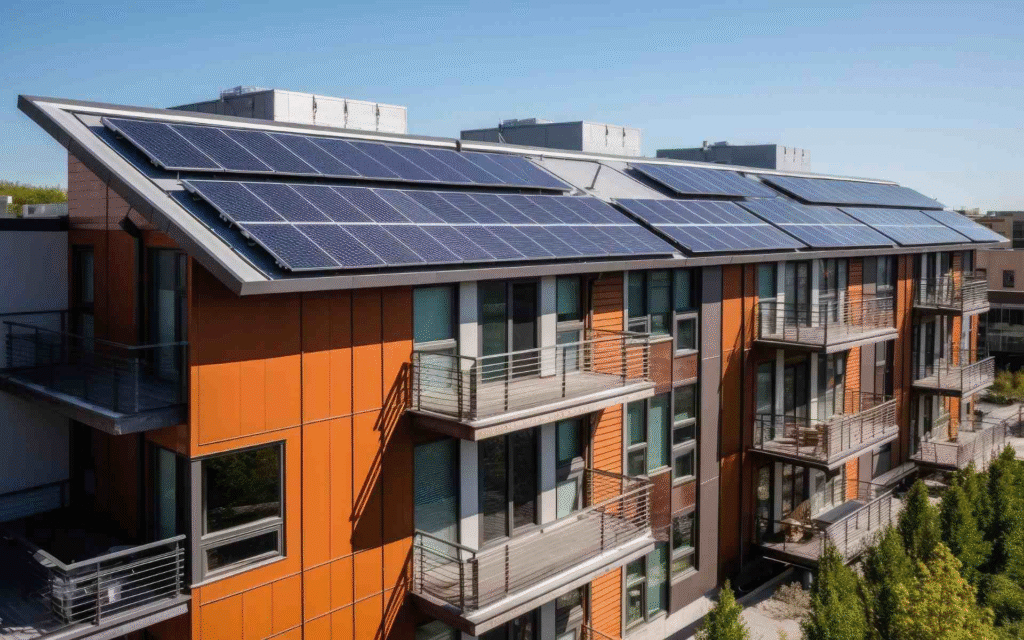
Many different building types can benefit from building integrated solar, including homes, offices, schools, industrial facilities, and public buildings. However, successful implementation depends on several important factors.
Building orientation, local climate, available sunlight, roof angle, facade exposure, and overall architectural design all influence system performance. Careful planning during the design phase ensures the best possible energy output while maintaining structural integrity and visual appeal.
Whether incorporated into new construction or selected during major renovations, integrated solar technology offers flexible design opportunities for modern buildings.
The Future of Sustainable Construction
As renewable energy technologies continue to evolve, building integrated solar is expected to become an increasingly important part of sustainable architecture. Improved materials, enhanced efficiency, and innovative design solutions are making integrated systems more practical than ever before.
Governments, architects, builders, and property owners continue to recognise the long-term environmental and economic value of incorporating renewable energy directly into building structures.
With growing emphasis on energy-efficient buildings, integrated solar solutions represent a significant step toward cleaner cities and more resilient communities.
Conclusion
Building-integrated solar offers an innovative way to combine architectural design with renewable energy generation. By replacing conventional building materials with energy-producing components, these systems improve efficiency, maximise available space, and support sustainable development.
As the construction industry continues to prioritise environmentally responsible practices, building integrated solar provides a practical solution for creating attractive, energy-efficient buildings. Its ability to merge functionality, aesthetics, and clean energy production makes it a valuable choice for the future of modern architecture.
READ MORE: clocktimes