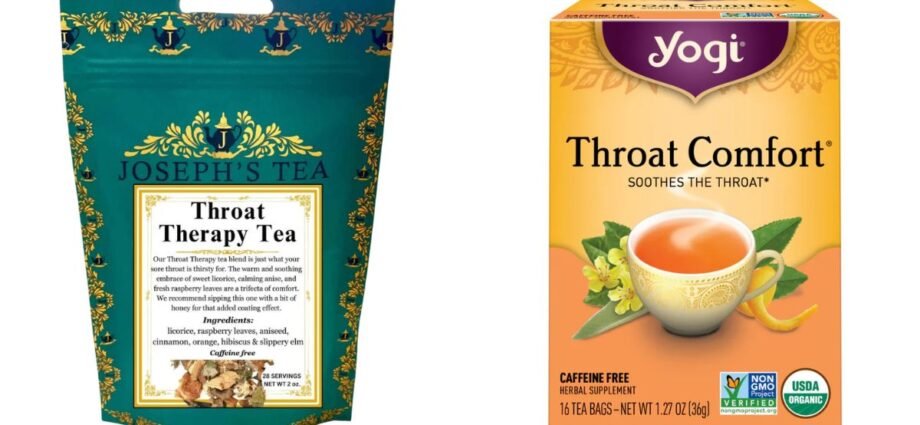
A sore throat is one of the most common health complaints, especially during cold and flu season. It can make swallowing painful, speaking uncomfortable, and even disrupt sleep. While medications may provide relief, many people prefer natural remedies that are gentle and easy to prepare at home. One of the most effective and comforting options is drinking warm tea. Choosing the best tea for a sore throat can help reduce irritation, keep the throat moist, and support the body’s natural healing process. Different herbal teas offer unique properties, from reducing inflammation to coating the throat and easing discomfort. This guide explains which teas work best, why they are effective, and how to prepare them for maximum relief.
Why Tea Helps a Sore Throat
Warm tea does much more than simply provide comfort. The warmth increases blood circulation around the throat, which may help reduce muscle tension and ease pain. Drinking plenty of fluids also prevents dehydration, a common problem during illness that can make throat irritation worse. Many herbal teas contain natural anti-inflammatory, antioxidant, and antimicrobial compounds that may help reduce swelling and support the immune system. When combined with honey, tea becomes even more soothing because honey coats the throat and may help calm coughing while reducing irritation.
Chamomile Tea: A Gentle and Relaxing Choice
Among the most popular options, chamomile tea is often considered one of the best choices for sore throat relief. Chamomile contains natural compounds that may reduce inflammation and promote relaxation, making it especially helpful before bedtime. Discover the best tea for sore throat with herbal remedies, preparation tips, and natural soothing relief today. Many people also appreciate chamomile because it may encourage better sleep, allowing the body more time to recover naturally. Adding a spoonful of honey enhances both the flavour and the soothing effect without overpowering the mild herbal taste.
Ginger Tea for Inflammation and Congestion
Ginger tea has been used in traditional medicine for centuries due to its warming and anti-inflammatory properties. Fresh ginger contains compounds called gingerols, which may help reduce swelling and irritation in the throat. This tea is particularly beneficial when a sore throat is accompanied by nasal congestion, chills, or mild nausea. Preparing ginger tea with fresh ginger slices creates a stronger flavour and higher concentration of beneficial compounds. Many people also add lemon and honey to create a comforting drink that supports hydration while providing a refreshing taste.
Marshmallow Root Tea for a Coating Effect
If your throat feels dry, raw, or extremely scratchy, marshmallow root tea may be one of the most soothing options available. Unlike the sweet confection with a similar name, marshmallow root is an herbal remedy containing mucilage, a thick, gel-like substance that coats irritated tissues. This protective layer can reduce discomfort while swallowing and temporarily relieve throat dryness. Because of its gentle nature, marshmallow root tea is often recommended for people experiencing prolonged throat irritation caused by coughing or seasonal allergies.
Liquorice Root Tea and Its Protective Benefits
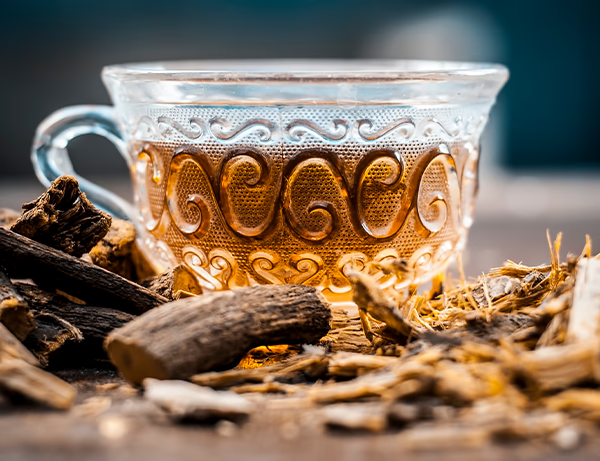
Another highly regarded herbal remedy is liquorice root tea, which naturally coats throat tissues and may help reduce inflammation. Some research suggests that liquorice root possesses antimicrobial and antiviral properties, making it a popular ingredient in traditional herbal medicine. Many people notice that drinking liquorice root tea creates a soothing sensation that lasts longer than ordinary herbal teas. However, individuals with high blood pressure, kidney disease, or heart conditions should use this tea cautiously and avoid excessive consumption unless advised by a healthcare professional.
Peppermint Tea for Cooling Relief
Peppermint tea provides a refreshing cooling sensation thanks to its natural menthol content. This cooling effect can temporarily numb throat discomfort, making swallowing feel less painful. Peppermint also produces a pleasant aroma that may help open the nasal passages when congestion accompanies a sore throat. Although many people find peppermint tea highly effective, those who frequently experience acid reflux should be aware that peppermint may worsen heartburn symptoms. In such cases, another herbal tea may be a better option.
Green Tea and Its Antioxidant Power
Although it contains a small amount of caffeine, green tea remains a popular choice because it is rich in antioxidants known as catechins. These compounds help protect cells from damage while supporting the body’s natural immune response. Some people even use cooled green tea as a gentle gargle because its natural compounds may help reduce bacteria in the mouth and throat. Drinking green tea in moderation can be beneficial, but herbal teas remain the better option if you want to completely avoid caffeine while recovering.
How to Make the Best Tea for Sore Throat
Preparing soothing tea is simple, but a few small details can make a noticeable difference. Use fresh water and allow herbal teas to steep for the recommended time so their beneficial compounds are fully released. Drink the tea warm instead of extremely hot, since very hot beverages can further irritate sensitive throat tissues. Stir in one or two teaspoons of honey if desired, as honey naturally coats the throat and helps reduce coughing. Some people also enjoy adding a small slice of fresh lemon, although those with severe throat irritation may find acidic ingredients slightly uncomfortable.
Additional Tips for Faster Recovery
While drinking the best tea for sore throat provides comfort, combining it with other healthy habits can speed recovery. Staying hydrated throughout the day keeps throat tissues moist and supports normal body functions. Gargling with warm salt water several times daily may reduce swelling and remove excess mucus. Using a humidifier can prevent indoor air from becoming too dry, especially during winter months. Rest is equally important because the immune system performs many of its repair processes while the body is asleep. Eating soft foods such as soups, yoghurt, and oatmeal can also minimise irritation while swallowing.
When a Sore Throat Needs Medical Attention
Most sore throats improve within several days, especially when caused by viral infections. However, certain symptoms require prompt medical evaluation. Seek professional care if you experience severe throat pain lasting more than a week, difficulty breathing, difficulty swallowing, persistent high fever, significant swelling, or white patches on the tonsils accompanied by fever. These symptoms may indicate a bacterial infection or another condition requiring medical treatment. Natural remedies like herbal tea can provide comfort, but they should never replace appropriate medical care when serious symptoms develop.
Conclusion
Finding the best tea for a sore throat depends on your symptoms and personal preferences, but several herbal options consistently provide soothing relief. Chamomile tea helps calm irritation and encourages relaxation; ginger tea supports relief from inflammation; marshmallow root tea coats dry throat tissues; liquorice root tea provides lasting comfort; while peppermint tea delivers a refreshing, cooling sensation. Green tea also provides valuable antioxidants to support the immune system. Pairing warm tea with honey, adequate hydration, proper rest, and healthy self-care habits creates a simple yet effective approach to easing throat discomfort. While these natural remedies can make recovery more comfortable, persistent or severe symptoms should always be evaluated by a healthcare professional.
Frequently Asked Questions
1. Top Teas to Soothe a Sore Throat Naturally
Chamomile, ginger, and marshmallow root teas are excellent options for easing throat discomfort by reducing inflammation, calming irritation, and providing soothing hydration.
2. Is honey necessary when drinking tea for a sore throat?
Honey is not required, but it is highly recommended because it naturally coats the throat, eases irritation, and may help reduce coughing. It should never be given to children under one year of age.
3. Can I drink tea several times a day for a sore throat?
Yes. Drinking warm herbal tea two to four times daily is generally safe for most healthy adults, provided you choose appropriate herbal varieties and stay well hydrated.
4. Which tea should I avoid if I have acid reflux?
People with acid reflux may want to avoid peppermint tea, as peppermint can sometimes trigger or worsen heartburn symptoms.
5. How long does it usually take for a sore throat to improve?
Most viral sore throats clear up on their own within three to seven days. If symptoms become severe, last longer than a week, or are accompanied by high fever or difficulty breathing, seek medical advice.
READ MORE: clocktimes