The topic of Azul Airlines A321LR often creates curiosity among aviation enthusiasts because many global carriers have selected the Airbus A321LR for long-range passenger operations. However, Azul Brazilian Airlines has followed a different path. Instead of introducing the dedicated Airbus A321LR into its passenger fleet, Azul has focused on using the standard Airbus A321neo for high-capacity domestic routes while expanding its long-range capabilities through larger widebody aircraft and dedicated cargo operations.
Azul’s fleet strategy reflects the airline’s unique position in the Brazilian aviation market. With a large domestic network connecting major cities and regional destinations, the carrier has prioritised aircraft that provide maximum efficiency, passenger capacity, and operational flexibility. While the A321LR offers extended range, Azul determined that its passenger requirements were better served by other aircraft solutions, especially the Airbus A330neo for international services.
Why Azul Airlines Did Not Operate the Airbus A321LR
The Airbus A321LR was designed to provide airlines with the ability to operate long-distance routes using a narrowbody aircraft. With additional fuel capacity and increased range compared with the standard A321neo, the aircraft has become popular among airlines seeking to connect secondary cities with international destinations.
Despite the advantages of the A321LR, Azul decided not to introduce this variant for passenger operations. The airline previously considered long-range narrowbody aircraft but eventually moved away from the concept. During financial restructuring, Azul cancelled its orders for the Airbus A321XLR, the even longer-range version of the aircraft family.
The decision was linked to Azul’s broader fleet simplification strategy. Rather than operating multiple versions of the A321 family for different missions, the airline concentrated its long-haul passenger operations around the larger Airbus A330neo, which provides greater passenger capacity and comfort for international routes.
This approach allows Azul to maintain a more standardised fleet structure while reducing operational complexity. Aircraft commonality, maintenance efficiency, and crew flexibility are important factors for airlines managing large networks, and Azul’s decisions reflect these priorities.
Azul’s Airbus A321neo Passenger Operations
Although Azul does not operate the A321LR, the airline has expanded its use of the standard Airbus A321-251NX, also known as the A321neo. This aircraft has become an important part of Azul’s strategy for high-demand domestic routes where passenger volume is the main requirement.
The Azul A321neo is configured with a single-class cabin layout capable of carrying approximately 214 passengers. This high-density configuration allows the airline to move large numbers of travellers between Brazil’s busiest markets while benefiting from the fuel efficiency of modern-generation engines.
A special feature of Azul’s A321neo cabin is the Azul Space seating area. Located in the first seven rows, these seats provide additional legroom and improved passenger comfort compared with standard economy seating. This product allows Azul to offer a more premium experience without introducing a separate business-class cabin on domestic routes.
The aircraft is mainly used on busy domestic sectors, including routes connecting important hubs such as Campinas (Viracopos) with major destinations across Brazil. These routes require aircraft that can handle significant passenger demand while keeping operating costs competitive.
The Growth of Azul’s A321P2F Cargo Fleet
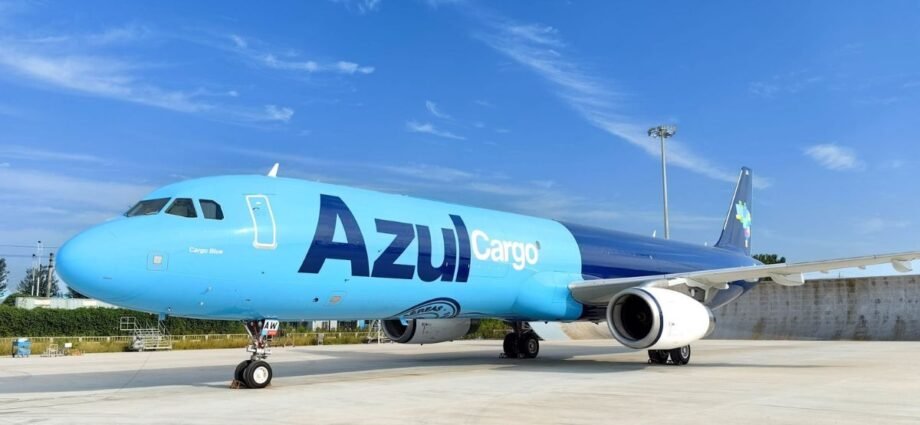
While Azul avoided the passenger A321LR, the airline has embraced another version of the aircraft family through passenger-to-freighter conversions. Azul Cargo Express has been expanding its fleet of Airbus A321P2F freighters, transforming former passenger aircraft into dedicated cargo aircraft.
The A321P2F represents a major development in narrowbody cargo aviation because it combines modern technology with strong payload capability. The aircraft can carry up to 27 tonnes of cargo and offers around 212 cubic meters of cargo volume, making it suitable for domestic freight networks and regional international operations.
Compared with older Boeing 737-based freighters, the A321P2F provides improved efficiency and lower operating costs. Azul highlights that the aircraft can deliver approximately 27% lower fuel consumption per tonne of cargo compared with older-generation freighter models.
The freighter fleet supports Azul Cargo Express operations from its main hub at Viracopos. These aircraft connect Brazilian cities such as Belém while also supporting international cargo routes to destinations including Buenos Aires, Santiago, and Lima.
This cargo expansion demonstrates how Azul has found another way to maximise the potential of the A321 platform. Instead of using the aircraft for long-range passenger services, the airline is utilising it as an efficient medium-capacity freighter.
Azul’s Different Approach Compared With Other Airlines
Many airlines have selected the A321LR and A321XLR because these aircraft allow narrowbody fleets to operate routes that previously required larger aircraft. They are especially useful for transatlantic flights and long-distance regional connections.
Azul, however, operates in a market with different requirements. Brazil has a large domestic aviation network with many routes requiring high-frequency service and strong passenger capacity. For these missions, the standard A321neo provides the necessary performance without the additional complexity and cost associated with a long-range variant.
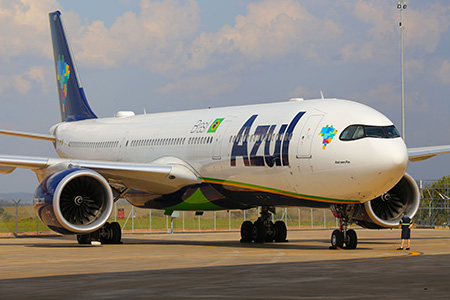
For international operations, Azul has preferred widebody aircraft that provide greater passenger capacity and range. This strategy creates a clear division between aircraft roles: A321neos handle domestic growth, A330neos support international passenger services, and A321P2F aircraft strengthen cargo operations.
Frequently Asked Questions About Azul Airlines A321LR
1. Does Azul Airlines operate the Airbus A321LR?
No, Azul Airlines does not operate the passenger Airbus A321LR. The airline uses the standard Airbus A321neo for high-density domestic passenger routes.
2. Why did Azul cancel its A321XLR orders?
Azul cancelled its A321XLR orders during financial restructuring and adjusted its long-haul strategy toward larger aircraft, particularly the Airbus A330neo.
3. What Airbus A321 variant does Azul use for passengers?
Azul operates the Airbus A321-251NX, a standard A321neo variant designed for efficient passenger operations.
4. How many passengers can Azul’s A321neo carry?
Azul’s A321neo passenger aircraft can accommodate around 214 passengers in a single-class configuration with additional-legroom Azul Space seats in the front rows.
5. Does Azul use the A321 aircraft for cargo operations?
Yes, Azul Cargo Express operates converted A321P2F freighters that can carry up to 27 tonnes of cargo and support domestic and international freight routes.
Conclusion: Azul Airlines’ Strategic Choice Beyond the A321LR
The story of Azul Airlines’ A321LR is not about an aircraft that entered service but about a strategic decision that shaped Azul’s fleet direction. While the Airbus A321LR has become a valuable aircraft for many airlines, Azul determined that its network requirements were better matched by a combination of standard A321neos, Airbus A330neos, and A321P2F cargo aircraft.
By focusing on fleet efficiency and operational flexibility, Azul has created a balanced approach that supports both passenger growth and cargo expansion. The airline’s decision shows that there is no single aircraft solution for every carrier. Instead, successful fleet planning depends on matching aircraft capabilities with specific market needs, and Azul’s Airbus strategy reflects the unique demands of Brazilian aviation.
READ MORE: clocktimes