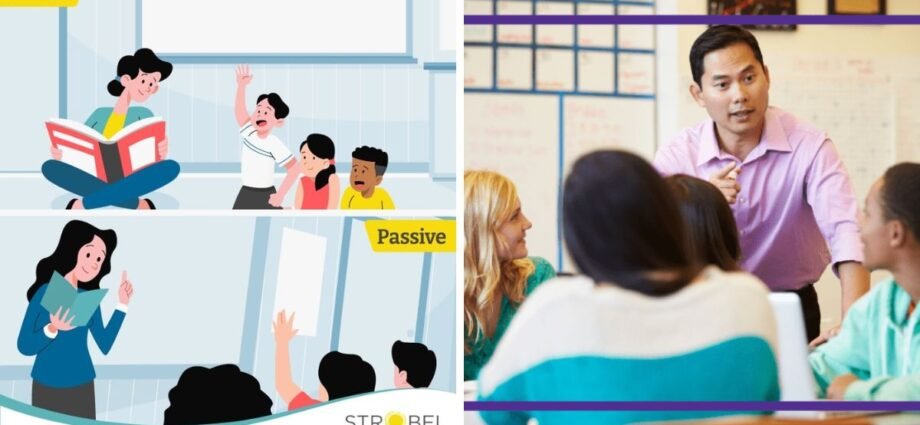
An active student is a learner who takes a proactive role in their educational journey rather than simply receiving information from teachers or textbooks. In today’s rapidly changing educational environment, schools, colleges, and online learning platforms increasingly emphasise student engagement because active participation has been linked to better academic performance, stronger critical thinking abilities, and improved personal development. An active student does not merely attend classes; he or she contributes to discussions, asks meaningful questions, collaborates with classmates, completes assignments responsibly, and continuously seeks growth opportunities. Whether studying in a traditional classroom or through digital platforms, active students understand that learning is a process that requires effort, curiosity, and dedication. As education evolves, the concept of the active student has become more important than ever because success depends not only on acquiring knowledge but also on applying, analysing, and evaluating information effectively.
Who Is an Active Student?
An active student is someone who actively participates in learning activities and takes responsibility for their educational progress. Instead of relying entirely on teachers for guidance, active students seek information independently, engage in classroom discussions, and contribute positively to the learning environment. They are often motivated by a genuine desire to understand concepts rather than simply memorising facts for examinations. These students recognise the value of education and understand that learning extends beyond the classroom. They may join extracurricular activities, participate in academic projects, attend workshops, and explore additional resources to enhance their understanding. Active students are characterised by their willingness to engage with challenges and their commitment to continuous improvement. Their active involvement helps them develop both academic knowledge and essential life skills that contribute to long-term success.
Key Characteristics of an Active Student
Several qualities distinguish an active student from a passive learner. One of the most important characteristics is curiosity, which drives students to explore topics in greater depth and ask thoughtful questions. Another defining trait is self-motivation, enabling students to remain committed to their goals even when faced with obstacles. Active students also demonstrate strong time management skills, allowing them to balance coursework, extracurricular activities, and personal responsibilities effectively. They are generally open to feedback and view mistakes as opportunities for growth rather than failures. Additionally, active students possess excellent communication skills that help them participate confidently in discussions and collaborate with peers. Their willingness to engage, contribute, and take initiative creates a more enriching educational experience and often leads to better academic outcomes.
The Importance of Active Participation in Learning
Active participation plays a crucial role in helping students retain information and develop a deeper understanding of academic subjects. When students engage directly with learning materials through discussions, problem-solving activities, and collaborative projects, they are more likely to remember and apply what they have learned. Active participation also encourages critical thinking, which is essential for analysing information, evaluating arguments, and making informed decisions. In modern education, where knowledge is readily accessible through technology, the ability to think independently and solve problems has become more valuable than simple memorisation. Furthermore, active participation helps students build confidence, improve communication skills, and develop a stronger sense of responsibility toward their education. By becoming active participants, students transform learning into a dynamic and meaningful process.
Benefits of Being an Active Student
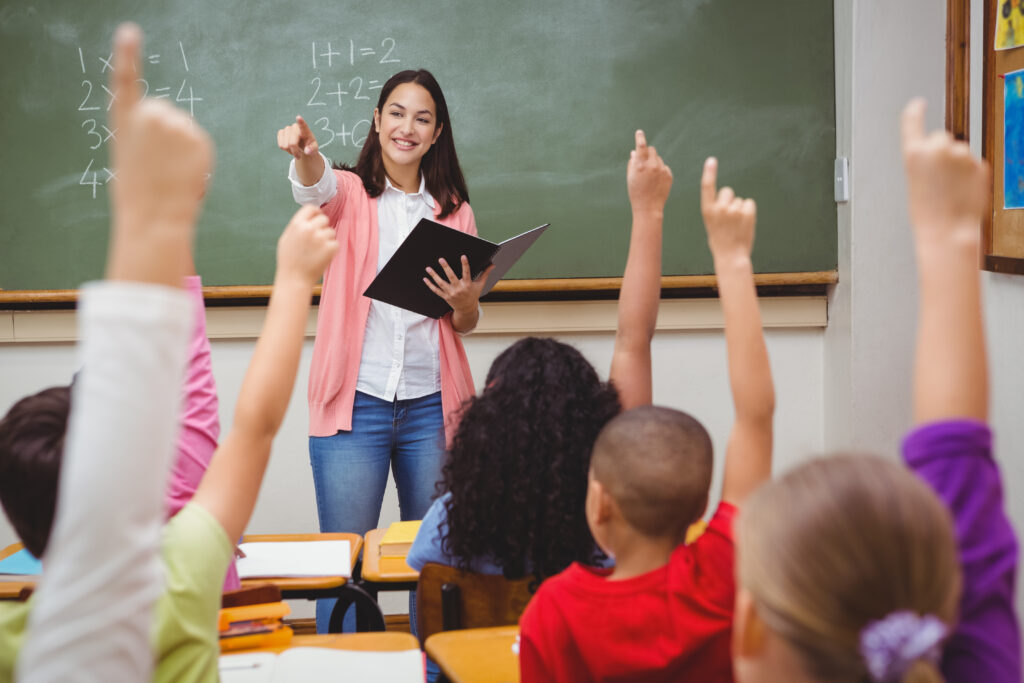
The benefits of becoming an active student extend far beyond academic achievement. Active learners often perform better in examinations because they understand concepts more thoroughly and can apply their knowledge in different situations. They also develop stronger interpersonal skills through teamwork, discussions, and collaborative learning experiences. Another significant benefit is increased self-confidence, as active participation helps students become more comfortable expressing their ideas and opinions. Active students tend to have better problem-solving abilities because they regularly engage with challenges and seek creative solutions. Additionally, they develop lifelong learning habits that remain valuable throughout their careers and personal lives. Employers often seek individuals who demonstrate initiative, adaptability, and effective communication, all of which are qualities commonly found in active students.
How Students Can Become More Active Learners
Becoming an active learner requires conscious effort and consistent practice. Students can start by preparing for classes in advance and reviewing materials before lessons begin. Asking questions during lectures is another effective way to increase engagement and clarify misunderstandings. Taking detailed notes and organising study materials can also help students stay focused and retain information more effectively. Participating in group discussions, academic clubs, and extracurricular activities provides additional opportunities for learning and personal growth. Setting clear academic goals and regularly evaluating progress can motivate students to remain committed to their studies. Active learners also seek feedback from teachers and peers to identify areas for improvement. By adopting these habits, students can gradually become more engaged and successful in their educational journey.
The Role of Teachers and Institutions in Supporting Active Students
Teachers and educational institutions play an important role in encouraging active learning. Effective educators create classroom environments where students feel comfortable asking questions, sharing ideas, and participating in discussions. Interactive teaching methods such as group projects, case studies, presentations, and problem-based learning activities can significantly increase student engagement. Schools and universities can further support active students by providing access to academic resources, mentorship programs, and extracurricular opportunities. Technology also contributes to active learning by offering interactive platforms, educational tools, and digital resources that enhance student participation. When institutions prioritise student engagement, they help create a culture of learning that encourages curiosity, innovation, and personal development.
Challenges Faced by Active Students
Despite the many advantages of active learning, students may encounter challenges along the way. Some students struggle with confidence and may hesitate to participate in discussions or ask questions. Others face time management difficulties due to competing academic and personal responsibilities. In some educational settings, traditional teaching methods may limit opportunities for interaction and engagement. Additionally, distractions from social media and digital entertainment can make it difficult for students to remain focused on their studies. Overcoming these challenges requires determination, effective planning, and support from teachers, parents, and peers. By recognising these obstacles and developing strategies to address them, students can continue to grow as active learners and achieve their educational goals.
Conclusion
An active student is much more than a person who attends classes regularly. He or she is a motivated learner who takes responsibility for education, participates actively in learning experiences, and continuously seeks opportunities for improvement. Through curiosity, engagement, collaboration, and self-discipline, active students develop valuable academic and life skills that contribute to long-term success. In an increasingly competitive and knowledge-driven world, the ability to learn actively has become a critical advantage. Students who embrace active learning not only achieve better academic results but also become confident, adaptable, and capable individuals prepared to meet future challenges.
Frequently Asked Questions (FAQs)
1. What is an active student?
An active student is a learner who actively participates in educational activities, engages with learning materials, asks questions, and takes responsibility for academic progress.
2. Why is being an active student important?
Being an active student improves understanding, critical thinking, problem-solving abilities, academic performance, and personal development.
3. What are the characteristics of an active student?
Common characteristics include curiosity, self-motivation, responsibility, effective communication, time management, and a willingness to participate in learning activities.
4. How can students become more active in learning?
Students can become more active by preparing for classes, asking questions, participating in discussions, setting goals, seeking feedback, and engaging in extracurricular activities.
5. Does active learning improve academic performance?
Yes, active learning helps students understand concepts more deeply, retain information longer, and apply knowledge effectively, often leading to improved academic results.
READ MORE: clocktimes