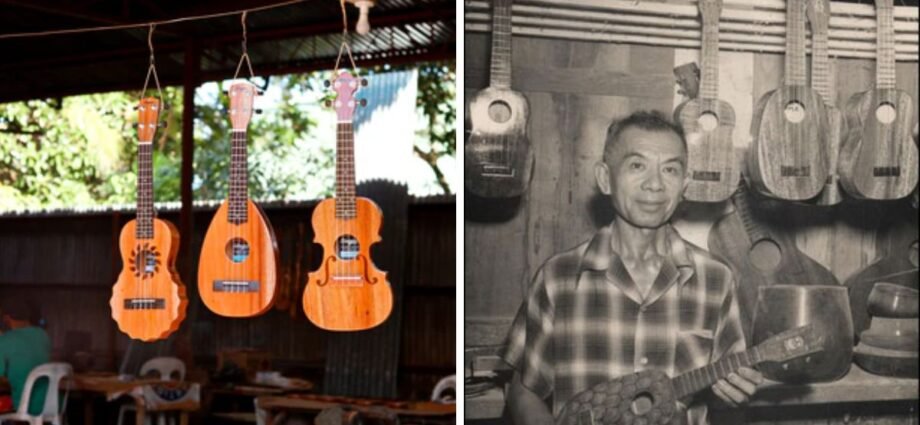
The ukulele is one of the most recognisable and beloved musical instruments in the world. Known for its cheerful sound, compact size, and ease of learning, the instrument has become a favourite among musicians of all ages. While many people associate it exclusively with Hawaii, the true ukulele history is a remarkable story of migration, cultural exchange, craftsmanship, and musical innovation. The journey of the ukulele spans continents and generations, beginning with European immigrants and eventually becoming a symbol of Hawaiian culture recognised around the globe. Understanding the history of this unique instrument provides valuable insight into how cultures influence one another and how a simple musical creation can leave a lasting impact on the world of music.
The Portuguese Origins of the Ukulele
The story of ukulele history begins far from Hawaii, on the Portuguese island of Madeira in the Atlantic Ocean. During the nineteenth century, Madeira was home to several small stringed instruments that were commonly used in folk music. Among these instruments were the machete, also known as the braguinha, and the rajão, both of which played an important role in the development of the modern ukulele.
In 1879, hundreds of Portuguese immigrants travelled from Madeira to Hawaii seeking employment opportunities in the growing sugar plantation industry. They carried with them not only their traditions and customs but also their musical instruments. These small stringed instruments quickly attracted the attention of local Hawaiians, who were fascinated by their bright tones and lively performances. The arrival of these immigrants marked the beginning of a musical transformation that would eventually give birth to the ukulele.
Who Created the Ukulele?
One of the most frequently asked questions in ukulele history is who actually invented the instrument. Rather than being the work of a single individual, the ukulele emerged through the combined efforts of several talented Portuguese craftsmen. Three immigrants are particularly important in the instrument’s development: Manuel Nunes, José do Espírito Santo, and Augusto Dias.
After completing their plantation contracts, these skilled woodworkers established workshops in Honolulu where they began building musical instruments. Drawing inspiration from the Portuguese machete and rajão, they modified the design to suit local preferences and musical styles. Through experimentation with body shape, size, construction methods, and tuning systems, they created an instrument that was distinct from its European ancestors. This new instrument became known as the ukulele and soon gained popularity throughout the Hawaiian Islands.
The Meaning Behind the Name “Ukulele”
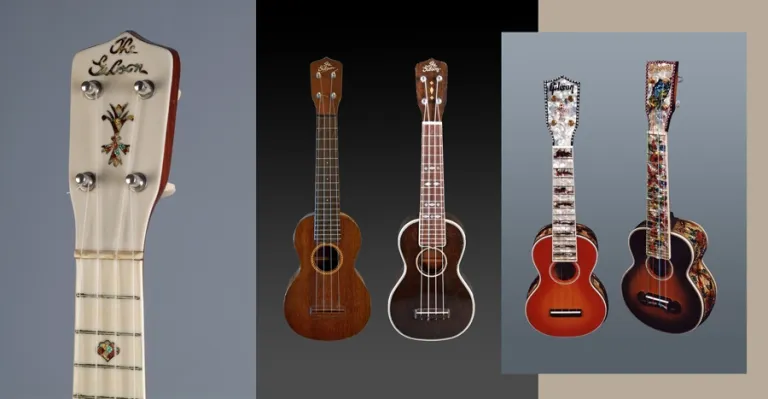
The name ukulele has become famous worldwide, but its origin remains one of the most interesting aspects of the instrument’s history. In the Hawaiian language, the word is commonly translated as “jumping flea.” According to popular tradition, the name refers to the rapid movement of a musician’s fingers across the strings and fretboard while playing.
Although there are different interpretations regarding the exact origin of the name, the “jumping flea” explanation remains the most widely accepted. The name perfectly captures the energetic and playful nature of the instrument. Over time, the term became inseparable from Hawaiian music and culture, helping establish the ukulele’s unique identity.
Royal Support and Hawaiian Cultural Integration
The growth of the ukulele would not have been possible without the support of Hawaiian royalty, particularly King David Kalākaua. Often remembered as the “Merrie Monarch,” Kalākaua was a strong supporter of Hawaiian arts, traditions, and cultural expression. He believed that music and dance were essential components of Hawaiian identity.
Under his patronage, the ukulele became a regular feature at royal celebrations, official gatherings, and cultural events. The instrument was incorporated into traditional Hawaiian performances and often accompanied hula dancers. During this period, local craftsmen began crafting ukuleles from koa wood, a native Hawaiian material prized for its beauty and excellent acoustic qualities. This combination of royal endorsement and local craftsmanship firmly established the ukulele as a symbol of Hawaiian culture.
The Ukulele’s Rise to International Fame
A major turning point in ukulele history occurred in 1915 during the Panama-Pacific International Exposition held in San Francisco. Hawaiian musicians performed for large audiences, introducing mainland Americans to Hawaiian music and the distinctive sound of the ukulele. The performances generated tremendous interest, and the instrument quickly became fashionable across the United States.
Throughout the 1920s, often referred to as the Jazz Age, the ukulele experienced a remarkable surge in popularity. Its affordability, portability, and simple playing style made it accessible to people from all walks of life. Music publishers released instructional books, manufacturers increased production, and the instrument appeared frequently in popular entertainment. What had once been a regional Hawaiian instrument was rapidly becoming an international musical phenomenon.
The Post-War Expansion of the Ukulele
Following World War II, the ukulele entered a new phase of growth. Manufacturers introduced inexpensive and durable models, including plastic versions that made the instrument more affordable than ever before. Schools, families, and community groups embraced the ukulele as an ideal beginner instrument.
Television variety shows and popular entertainers further expanded their audience. During the 1950s and 1960s, the ukulele became a familiar presence in households around the world. Its friendly image and approachable nature helped maintain its popularity even as other musical trends emerged. The instrument remained relevant because it was easy to learn while still offering opportunities for creativity and personal expression.
The Modern Ukulele Renaissance
The late twentieth century and early twenty-first century witnessed a remarkable revival in the popularity of the ukulele. For many years, some people viewed it primarily as a novelty instrument, but talented performers demonstrated that it was capable of far more than simple accompaniment.
A significant milestone came with the success of Hawaiian musician Israel Kamakawiwoʻole, whose emotional medley of “Over the Rainbow” and “What a Wonderful World” introduced the instrument to a new generation of listeners. His recording showcased the ukulele’s ability to convey depth, beauty, and emotional power.
Another influential figure was Jake Shimabukuro, whose extraordinary technical skills challenged traditional perceptions of the instrument. Through concerts, recordings, and online performances, he demonstrated that the ukulele could handle complex musical arrangements across multiple genres. As a result, musicians around the world began exploring new possibilities for the instrument, contributing to its modern renaissance.
Why the Ukulele Remains Popular Today
The enduring appeal of the ukulele can be attributed to several factors. Its compact size makes it easy to transport and store, while its relatively simple chord structures allow beginners to learn quickly. At the same time, advanced players can achieve impressive levels of technical and artistic expression.
The instrument’s warm and cheerful sound appeals to audiences across different cultures and musical genres. Whether used in folk music, pop songs, jazz arrangements, or classical compositions, the ukulele continues to demonstrate remarkable versatility. Its rich cultural heritage also adds to its charm, connecting modern musicians with a fascinating historical journey that spans continents and generations.
Conclusion
The ukulele history is a captivating story of cultural exchange, creativity, and musical evolution. Originating from Portuguese stringed instruments brought to Hawaii by immigrants in the late nineteenth century, the ukulele was transformed by skilled craftsmen and embraced by Hawaiian society. With support from King Kalākaua and the influence of Hawaiian culture, it became a cherished symbol of the islands. Over time, international exhibitions, mass production, and influential musicians helped spread its popularity around the globe. Today, the ukulele remains one of the world’s most beloved instruments, celebrated for its accessibility, beauty, and rich historical legacy.
Frequently Asked Questions (FAQs)
1. Who invented the ukulele?
The ukulele was developed by Portuguese craftsmen Manuel Nunes, José do Espírito Santo, and Augusto Dias after they immigrated to Hawaii in the late nineteenth century.
2. What does the word ukulele mean?
The word “ukulele” is commonly translated from Hawaiian as “jumping flea,” referring to the quick movement of a player’s fingers while performing.
3. Did the ukulele originate in Hawaii?
The modern ukulele was created in Hawaii, but its design was inspired by Portuguese instruments such as the machete and rajão brought by immigrants from Madeira.
4. Why is King Kalākaua important in ukulele history?
King Kalākaua promoted Hawaiian arts and culture and helped popularise the ukulele by featuring it at royal events and cultural celebrations.
5. Why is the ukulele still popular today?
The ukulele remains popular because it is affordable, portable, easy to learn, versatile, and capable of producing a warm and distinctive sound suitable for many musical styles.
READ MORE: clocktimes