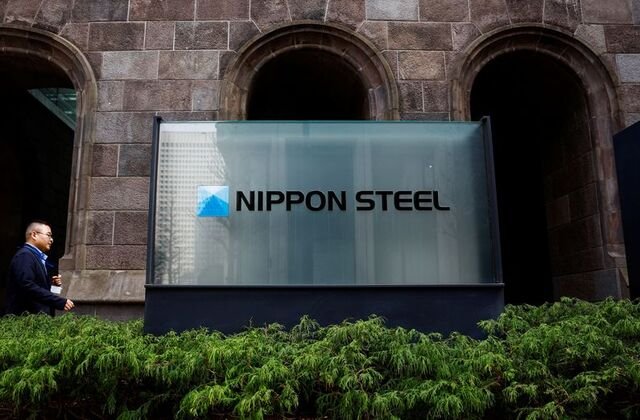
When people hear the name Nippon Steel, they often think of factories, heavy machines, and large industrial projects. That image is not wrong, but it only tells part of the story. The real influence of Nippon Steel goes far beyond what we see on the surface. It exists in the buildings we live in, the cars we drive, the bridges we cross, and even the tools we use every day.
Steel may look simple, but it is one of the most important materials in human progress. Nippon Steel has spent decades refining how steel is made, used, and improved. It is not just about producing metal. It is about creating stronger, safer, and smarter solutions for a world that is constantly evolving.
How Nippon Steel Began Its Journey
The roots of Nippon Steel go back to Japan’s early push toward industrial growth. At a time when the country was transforming into a modern economy, steel became the backbone of that change. The company was formed through the merger of major steel producers, bringing together experience, technology, and a shared vision.
From the beginning, the goal was clear. Build a strong foundation for the industry. That meant producing steel that could support railways, ships, and infrastructure projects. Over time, the company grew into one of the largest steel producers in the world, known for both scale and precision.
What makes this journey interesting is not just the growth, but the consistency. Nippon Steel did not chase quick success. It focused on steady improvement, learning from each phase, and adapting to new challenges.
Steel That Shapes Modern Cities
Walk through any modern city, and you are likely surrounded by products connected to Nippon Steel. Skyscrapers rely on high-strength steel to stay stable. Bridges need durability to handle constant pressure. Rail systems depend on materials that can handle both weight and speed.
Nippon Steel plays a role in all of this. Its materials are designed to perform under stress while maintaining safety. Finding this kind of balance is a real challenge.
It requires deep research, testing, and a strong understanding of real-world conditions.
The company has also worked on developing lighter steel. This might sound simple, but it has a big impact. Lighter materials can reduce construction costs, improve efficiency, and even lower environmental impact.
The Role of Nippon Steel in the Automotive World
One of the most important areas where Nippon Steel has made a difference is the automotive industry. Car manufacturers need materials that are strong but also lightweight. This helps improve fuel efficiency while maintaining safety standards.
Nippon Steel has developed advanced steel solutions that meet these needs. These materials are used in vehicle frames, body panels, and safety components. The goal is to protect passengers while also improving performance.
This is not just about the cars we see today. It also connects to the future of transportation. Electric vehicles, for example, require materials that can support battery systems without adding unnecessary weight. Nippon Steel continues to adapt its approach to meet these new demands.
Innovation That Goes Beyond the Surface
At first glance, steel might seem like a finished product. But for Nippon Steel, it is an ongoing process of innovation. The company invests heavily in research and development, exploring ways to improve strength, flexibility, and durability.
This includes creating steel that can resist extreme weather, corrosion, and wear. These improvements may not always be visible, but they play a critical role in safety and longevity.
Innovation also means finding new ways to produce steel more efficiently. This includes reducing waste, improving energy use, and making the process more sustainable. These changes reflect a broader shift in how industries think about their impact on the environment.
A Global Presence with Local Impact
Nippon Steel is not limited to Japan. It operates on a global scale, with partnerships and projects across different regions. This allows the company to understand diverse needs and adapt its solutions accordingly.
In some places, the focus may be on infrastructure development. In others, it may be on automotive production or energy projects. This flexibility is one of the reasons the company has remained relevant for so long.
At the same time, the company maintains a strong connection to its roots. The values of precision, reliability, and long-term thinking continue to guide its work, no matter where it operates.
The Human Side of Industrial Excellence
Behind every product, there are people. Engineers, researchers, technicians, and workers all contribute to the success of Nippon Steel. Their expertise and dedication play a major role in maintaining quality and consistency.
The company places a strong emphasis on training and development. This ensures that knowledge is passed down and improved over time. It also helps create a culture where innovation can thrive.
This human element often goes unnoticed, but it is one of the key reasons the company continues to evolve. Technology alone is not enough. It needs people who understand how to use it effectively.
Balancing Growth and Responsibility
As industries grow, so does the need for responsibility. Steel production has a significant environmental impact, and companies like Nippon Steel are under pressure to reduce that impact.
The company has taken steps to address this challenge. This includes investing in cleaner production methods and exploring alternative technologies. The goal is to reduce emissions while maintaining efficiency.
This balance is not easy. It requires careful planning, long-term investment, and a willingness to adapt. But it is an important part of the company’s future.
Adapting to a Changing World
The world is changing quickly. New technologies, shifting markets, and environmental concerns are reshaping industries. Nippon Steel has had to adapt to these changes while staying true to its core strengths.
This includes exploring digital solutions, improving production systems, and finding new ways to collaborate with partners. These changes are not always visible, but they play a critical role in keeping the company competitive.
Adaptation also means understanding new customer needs. As industries evolve, so do the demands placed on materials. Nippon Steel continues to refine its approach to meet these expectations.
Why Nippon Steel Still Matters Today
In a world focused on technology and innovation, it is easy to overlook the importance of basic materials. But without steel, much of modern life would not be possible.
Nippon Steel remains a key player in this space. Its products support industries that drive economic growth and improve the quality of life. From transportation to construction, its influence can be seen in many areas.
What makes the company stand out is its ability to combine tradition with innovation. It respects its history while continuing to move forward.
The Future of Steel and Industry
Looking ahead, the role of steel is expected to evolve. New technologies, such as renewable energy and smart infrastructure, will require materials that can meet higher standards.
Nippon Steel is already working on these challenges. This includes developing stronger, lighter, and more sustainable materials. It also involves exploring new ways to integrate steel into advanced systems.
The future is not just about producing more. It is about producing better. This shift will define the next phase of industrial growth.
Challenges That Shape Progress
No company grows without facing challenges. Nippon Steel has had to deal with economic shifts, competition, and changes in demand. These challenges have forced the company to rethink its strategies and improve its processes.
Rather than slowing down, these moments often lead to growth. They push the company to innovate, adapt, and find new opportunities. This ability to respond to change is one of its strongest qualities.
A Legacy Built on Strength and Precision
The story of Nippon Steel is not just about production numbers or market share. It is about the role it has played in shaping modern life. Its materials have supported countless projects, from small tools to massive structures.
This legacy is built on consistency, attention to detail, and a commitment to quality. These values continue to guide the company as it moves forward.
The Connection Between Steel and Everyday Life
It is easy to forget how much we rely on steel. From the moment we wake up to the time we go to sleep, we interact with products made from it. Nippon Steel is part of that daily experience, even if we do not notice it.
This connection highlights the importance of the company’s work. It is not just about industry. It is about supporting the systems that make modern life possible.
Looking at Nippon Steel from a New Perspective
When you step back and look at the bigger picture, Nippon Steel represents more than just a company. It represents progress, resilience, and the ability to adapt over time.
Its journey shows how something as simple as steel can have a lasting impact. It also shows how industries can evolve while staying grounded in their core purpose.
Conclusion: Strength That Goes Beyond Metal
Nippon Steel is not just about producing steel. It is about creating solutions that support growth, safety, and innovation. Its work touches many aspects of daily life, often in ways we do not see.
The company’s story is one of steady progress, thoughtful adaptation, and a deep understanding of its role in the world. As industries continue to evolve, Nippon Steel remains a key part of that journey.
Its strength is not just in the materials it produces, but in the way it continues to move forward with purpose and clarity.
READ MORE: clocktimes