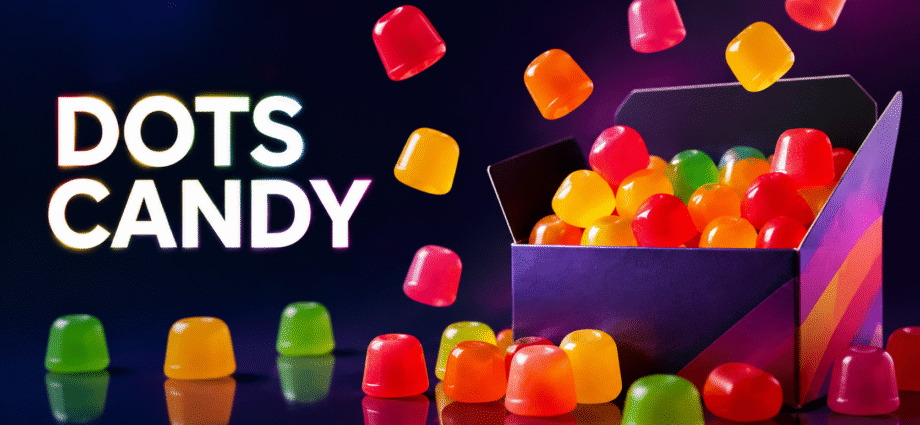
Dots Candy is a classic American gumdrop enjoyed for its bright colours, fruity flavours, and satisfyingly chewy texture. Each small piece has a rounded top and a flat base, giving it the simple shape that makes it easy to recognise. Unlike sugar-coated gumdrops, Dots have a smooth outer surface without loose sugar crystals. They are commonly sold in colourful boxes and remain especially popular at movie theatres, parties, holidays, and family gatherings. Their straightforward recipe and familiar fruit flavours have helped them remain a recognisable candy for generations.
What Is Dots Candy?
Dots Candy is a collection of small, fruit-flavoured gumdrops with a soft but firm chew. A standard box usually contains several colours, with each colour representing a different fruity taste. The candy does not contain a liquid or cream centre because the entire piece has the same jelly-like texture. While some gummy sweets are shaped like animals, rings, or fruit, Dots keep a basic dome shape. This simple design allows the colors to stand out and gives the candy its distinctive identity. People can enjoy one flavour at a time or combine different colours to create a mixed fruit taste.
The History Behind Dots Candy
Dots have been part of American candy culture since the 1940s. During that period, boxed sweets became increasingly connected with cinema trips, concession stands, and affordable family entertainment. Dots fit naturally into this market because they were colourful, easy to package, and convenient to share. Over time, their appearance remained mostly consistent, helping different generations recognise the same product. Many candies disappear or receive complete redesigns, but Dots have maintained their familiar gumdrop style. This sense of continuity contributes to their appeal, especially among adults who remember eating them during childhood and now introduce them to younger family members.
Classic Dots Candy Flavours
A regular box of Dots Candy traditionally includes five fruit flavours: cherry, strawberry, lemon, lime, and orange. Cherry Dots are red and usually offer a deep, sweet fruit taste. Strawberry pieces are pink or lighter red, with a softer berry character. Lemon is yellow and adds a slightly sharp citrus note, while lime is green and provides a brighter taste. Orange pieces deliver a familiar sweet citrus flavor. The differences are not extremely intense, but they are noticeable enough for many people to develop a favorite. Pair lemon with lime for a bold citrus kick, or mix cherry and strawberry for a sweeter berry flavour.
Texture and Eating Experience
The texture of Dots is one of their most defining features. Each piece is chewy and slightly sticky, yet it is firmer than many modern gummy candies. A Dot becomes softer as it warms in the mouth, allowing its fruit flavour to develop gradually. Because the candy may stick to teeth, it is better to chew it slowly instead of biting down with excessive force. People with braces, dental appliances, or sensitive dental work should be particularly careful with chewy sweets. The smooth surface also distinguishes Dots from traditional gumdrops covered with granulated sugar. This creates a cleaner eating experience because there are fewer loose sugar crystals left inside the box or on the fingers.
Ingredients Commonly Found in Dots Candy
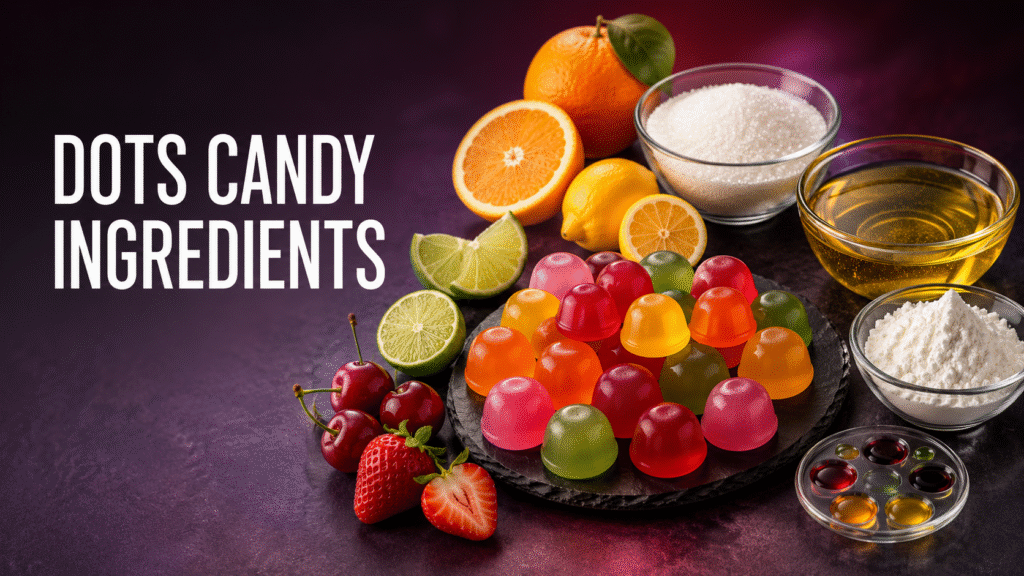
Dots Candy is generally made with a combination of sugar, corn syrup, modified food starch, natural or artificial flavourings, and added colours. These ingredients perform different jobs. Sugar and corn syrup provide sweetness and help create a stable candy base. Modified food starch contributes to the dense, chewy consistency and helps the pieces hold their shape. Flavourings create the fruit profiles, while colours make the varieties easy to identify. Ingredient formulas can change, and special editions may differ from the classic product. Anyone managing a food allergy, dietary restriction, or medical condition should therefore read the current package instead of relying only on a general ingredient description.
Are Dots Candy Vegan or Gluten-Free?
Dots are often considered suitable for some plant-based diets because their classic formula is commonly made without gelatin, an animal-derived ingredient found in many gummy candies. However, individual standards for vegan food can vary, particularly when questions arise about sugar processing, colouring agents, or shared manufacturing equipment. Dots are also frequently described as gluten-free, but recipes and production information may be updated. The packaging remains the best source for current details. People with celiac disease or serious allergies should look for a clear label and check possible cross-contact warnings before eating the product.
Seasonal and Special Dots Varieties
Although the original fruit assortment is the most familiar version, Dots Candy has appeared in several seasonal varieties. Holiday editions may use special colours, adjusted flavours or combinations, or themed packaging. Halloween boxes can feature darker colours and unusual fruit tastes, while Christmas versions may focus on red and green pieces. Other editions have included tropical, sour, or themed assortments. These releases give longtime fans something different without completely changing the candy’s recognisable shape and texture. Availability varies by location and season, so a special box found one year may not return to every store the following year.
Why Dots Remain a Popular Movie Candy
Dots have a strong connection with movie-theatre snacks. Their boxed format is practical because it can be opened quietly, held in one hand, and shared without creating much mess. Unlike chocolate, the pieces do not melt quickly under ordinary indoor conditions. Their bright colours also make them feel playful, even when the cinema itself is dark. A single box contains enough pieces to last through a large part of a film if eaten slowly. Some people enjoy Dots mainly because of this nostalgic connection. The flavour may remind them of weekend movies, childhood outings, arcade visits, or time spent with friends.
Creative Ways to Enjoy Dots Candy
Dots can be eaten straight from the box, but they can also add colour and texture to homemade treats. Chopped pieces work as decorations for cookies, cupcakes, gingerbread houses, and candy boards. They can be arranged into flowers, borders, letters, or simple patterns before the icing sets. Dots also make useful party favours when divided into small bags or clear containers. When using them in baked desserts, it is usually better to place them on top after baking because high heat may cause them to soften, spread, or lose their shape. A clean knife lightly coated with cooking spray can make sticky pieces easier to cut.
How to Store Dots Properly
Proper storage helps Dots maintain their intended chewiness. Keep the candy in a cool, dry place away from direct sunlight, heaters, and humid areas. Excessive warmth can make the pieces unusually soft and sticky, causing them to fuse. Very cold conditions may make them harder and more difficult to chew. Once the box has been opened, transfer any remaining pieces to an airtight container or seal them inside a food-storage bag. This limits exposure to air and moisture. Dots should also be kept away from strongly scented foods because candy can sometimes absorb nearby odours during extended storage.
Nutrition and Sensible Portions
Like most traditional sweets, Dots Candy contains a significant amount of added sugar and should be treated as an occasional snack rather than an everyday source of nutrition. It is easy to eat several pieces without noticing how quickly the portion grows, especially while watching a film or talking with friends. Placing a small serving in a bowl can make the amount easier to track. Drinking water afterwards can help remove some sticky residue, although it does not replace brushing and flossing. Parents should supervise young children because chewy candies can present a choking risk if swallowed whole or eaten too quickly.
What Makes Dots Candy Different?
Dots stand apart from many gummy sweets because of their smooth surface, firm chew, dome shape, and nostalgic packaging. They do not rely on sour powder, liquid filling, or a complicated design to attract attention. Instead, their identity comes from consistency. Someone opening a classic box generally knows what colours, flavours, and texture to expect. This predictability can be comforting in a candy market filled with constant changes. Dots may appear simple, but that simplicity has become their strength. They offer a traditional fruit-candy experience that is easy to recognise and share.
Frequently Asked Questions
What flavours are found in classic Dots Candy?
Classic boxes generally contain cherry, strawberry, lemon, lime, and orange flavours. Special or seasonal editions may use different combinations.
Are Dots the same as sugar-coated gumdrops?
No. Dots have a smooth exterior without the layer of granulated sugar commonly found on traditional gumdrops.
Do Dots Candy contain gelatin?
The classic formula is commonly made without gelatin. Always check the latest package because ingredients can change between products or editions.
Why do Dots sometimes become hard?
Exposure to air, cold temperatures, or long storage can affect their texture. Keeping them sealed in a cool, dry place helps preserve their chewiness.
Can Dots be used for baking and decorating?
Yes. They work well as decorations for cookies, cupcakes, candy boards, and gingerbread houses. Adding them after baking usually protects their shape.
Conclusion
Dots Candy has remained memorable because it combines fruity flavor, cheerful colors, a firm chewy texture, and a strong sense of nostalgia. Its simple dome shape and classic assortment make it different from many complicated modern gummies. Whether enjoyed during a movie, shared at a party, or used to decorate a dessert, Dots offer a familiar candy experience. Sensible portions, careful chewing, and proper storage make it easier to enjoy each colorful piece at its best.
READ MORE: clocktimes