Introduction
Pitaya, more commonly known as dragon fruit, is one of the most visually striking tropical fruits found around the world. Its bright pink, red, or yellow skin and speckled flesh make it instantly recognisable, while its refreshing taste has helped it gain popularity among health-conscious consumers. Whether you have seen it in supermarkets, enjoyed it in smoothie bowls, or are simply curious about its benefits, learning about pitaya can help you appreciate why it has become one of the world’s favourite tropical fruits.
What Is Pitaya?
Pitaya is the fruit produced by several species of climbing cactus plants belonging to the Hylocereus and Selenicereus genera. Unlike desert cacti, these plants thrive in warm regions with moderate rainfall and grow by climbing trees, poles, or specially designed trellises.
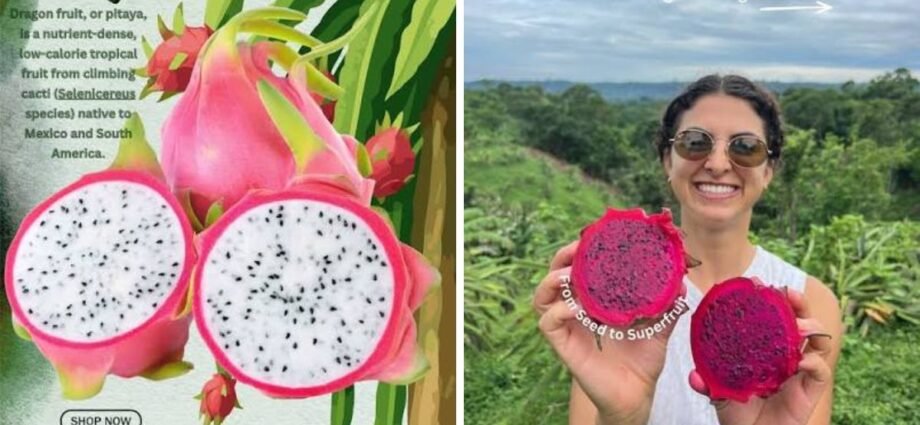
The fruit has a thick outer skin covered with leafy scales that resemble dragon scales, giving rise to the common name dragon fruit. Inside, the flesh may be white, red, or purple depending on the variety and contains hundreds of tiny edible black seeds that add a pleasant crunch.
Different Types of Pitaya
Several varieties of pitaya are grown commercially, each offering a unique combination of colour, sweetness, and texture. The white-fleshed pitaya is the most widely available and features bright pink skin with crisp white flesh. It has a light, refreshing flavour that appeals to those who prefer mildly sweet fruits. The red-fleshed pitaya stands out because of its deep crimson or magenta interior, which contains higher amounts of natural pigments known as betalains.
This variety usually tastes sweeter than the white type and is commonly used in colourful desserts and beverages. The yellow pitaya has bright yellow skin with white flesh and is generally considered the sweetest among the common varieties. Although it is smaller in size, many fruit lovers appreciate its richer tropical flavour and juicy texture.
Nutritional Value of Pitaya
One reason pitaya has become increasingly popular is its impressive nutritional profile. It is naturally low in calories while providing a good amount of dietary fibre, which supports healthy digestion and helps people feel full for longer periods.
The fruit also contains vitamin C, an important nutrient that contributes to normal immune function and supports healthy skin. Along with vitamin C, pitaya provides small amounts of iron, magnesium, calcium, and potassium. The tiny black seeds are rich in healthy fats, including omega-3 and omega-6 fatty acids, which play a role in maintaining heart health. Since the fruit contains a high percentage of water, it also helps support hydration, especially during warm weather.
Health Benefits of Pitaya

Regularly including pitaya as part of a balanced diet may provide several health advantages. Its antioxidants help protect cells from damage caused by free radicals, which are naturally produced in the body during normal metabolism. The combination of fibre and water supports healthy digestion and may help prevent constipation. Vitamin C contributes to collagen production, which is essential for maintaining healthy skin, blood vessels, and connective tissues.
The fruit’s low calorie content makes it an appealing choice for individuals trying to maintain or manage their weight while still enjoying naturally sweet foods. Additionally, the healthy fats found in the edible seeds contribute to overall nutritional balance, while the fruit’s refreshing nature makes it an excellent snack after physical activity.
How Pitaya Is Grown
Growing pitaya is different from cultivating most fruit trees because it develops on climbing cactus vines rather than traditional branches. Farmers typically provide sturdy posts or trellis systems that allow the plants to climb upward while supporting their heavy stems and fruit.
The cactus produces large, fragrant flowers that bloom only at night and often remain open for a single evening. These spectacular flowers are commonly pollinated by bats, moths, or hand pollination in commercial farms where natural pollinators may be limited. After successful pollination, the flowers gradually develop into mature fruit over several weeks. Once the skin develops vibrant colouring, the fruit is ready for harvest.
Culinary Uses of Pitaya
One of the greatest advantages of pitaya is its versatility in the kitchen. The fruit is most commonly eaten fresh by simply cutting it in half and scooping out the flesh with a spoon. It is also a popular ingredient in smoothies, fruit salads, yoghurt bowls, and breakfast parfaits because of its attractive appearance and refreshing taste. Many chefs use red-fleshed varieties to naturally colour desserts, ice creams, and beverages without artificial ingredients. Pitaya can also be blended into juices, frozen into popsicles, or added to tropical fruit salsas. Although its flavour is relatively mild, it pairs well with mango, pineapple, banana, berries, citrus fruits, and coconut, making it suitable for a wide variety of recipes.
How to Choose and Store Pitaya
Selecting a high-quality pitaya begins with examining its appearance. A ripe fruit should have evenly colored skin with fresh-looking scales and only minor surface blemishes. It should feel slightly soft when gently pressed, similar to a ripe avocado, without becoming mushy. Fruits that are overly hard may need a few days at room temperature to ripen fully. Once ripe, pitaya can be stored in the refrigerator for several days to preserve freshness. After cutting the fruit, it should be kept in an airtight container and consumed within a short period to maintain its flavour and texture. Proper storage helps reduce waste while ensuring the fruit remains enjoyable.
Why Pitaya Continues to Grow in Popularity
The global popularity of pitaya continues to increase because it combines beautiful appearance with excellent nutritional value and versatile culinary uses. Social media has also played an important role in introducing the fruit to new audiences, with colourful smoothie bowls and fruit platters frequently featuring its vibrant flesh. At the same time, growing awareness of healthy eating has encouraged more consumers to explore fruits that provide vitamins, antioxidants, and fibre without excessive calories.
Farmers have expanded cultivation into many regions where suitable climates allow commercial production, making pitaya more widely available throughout the year.
Conclusion
Pitaya is much more than an eye-catching tropical fruit. It offers a refreshing taste, valuable nutrients, and numerous culinary possibilities while being relatively easy to grow in warm climates. From its unique cactus origins and stunning nighttime flowers to its antioxidant-rich flesh and hydrating properties, pitaya provides benefits that appeal to both casual fruit lovers and health-conscious individuals. Whether enjoyed fresh, blended into smoothies, or incorporated into desserts, this colourful fruit continues to earn its place as one of the world’s most popular tropical superfruits.
Frequently Asked Questions
1. Is pitaya the same as dragon fruit?
Yes. Pitaya and dragon fruit refer to the same tropical fruit, although different regions may prefer one name over the other.
2. What does pitaya taste like?
Pitaya has a mildly sweet, refreshing flavour that is often compared to a combination of kiwi, pear, and melon.
3. Can you eat the seeds inside pitaya?
Yes. The tiny black seeds are completely edible and provide healthy fats along with a light, crunchy texture.
4. Is pitaya good for weight management?
Because it is low in calories, rich in fibre, and high in water content, pitaya can be a satisfying addition to a balanced diet.
5. How can I tell if pitaya is ripe?
A ripe pitaya should have bright, evenly colored skin and feel slightly soft when gently pressed without being overly mushy.
READ MORE: clocktimes