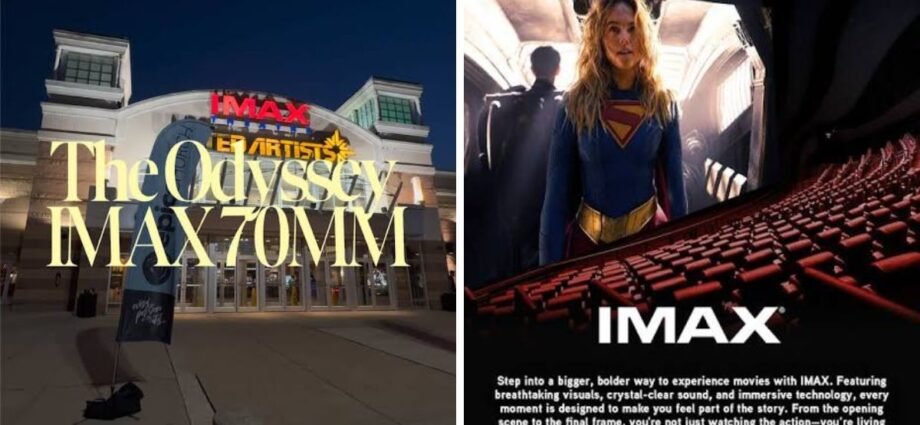
Movie theatres have remained one of the most popular entertainment destinations for generations. Even with the rapid growth of streaming platforms, millions of people still choose to visit theatres to enjoy the excitement of watching films on a giant screen. The experience goes far beyond simply viewing a movie. It includes the impressive visuals, powerful surround sound, comfortable seating, shared audience reactions, and the unforgettable atmosphere that cannot easily be recreated at home.
Whether it is a family outing, a romantic date, or a fun trip with friends, movie theatres provide a unique setting that brings people together. Modern theatres have evolved significantly by introducing luxury seating, advanced projection systems, premium audio, and enhanced customer services. These improvements have helped theatres remain relevant in a digital world where entertainment is available with just a few clicks. The magic of the cinema experience continues to inspire audiences of all ages, making theatres an important part of the entertainment industry.
The History of Movie Theatres
The story of movie theatres began more than a century ago when silent films were shown to curious audiences in small halls. During the early years of cinema, theatres were simple venues with limited technology, but they quickly became gathering places where communities enjoyed storytelling through moving pictures. As filmmaking improved, theatres introduced sound systems, colour films, wider screens, and comfortable seating to create a more enjoyable viewing experience.
The Golden Age of Hollywood further increased the popularity of movie theatres, making them cultural landmarks in many cities. Over the decades, innovations such as digital projection, 3D movies, IMAX screens, and laser technology transformed cinemas into high-tech entertainment centres. Despite competition from television and online streaming services, theatres have continued adapting to changing audience expectations by offering premium experiences that cannot easily be matched at home.
Why Watching Movies in Theatres Feels Different
There is something truly special about watching a film inside a theatre. The massive screen allows viewers to notice tiny visual details that are often missed on smaller televisions or mobile devices. High-quality surround sound creates an immersive environment where every explosion, musical score, and whispered conversation feels incredibly realistic.
The dark auditorium removes everyday distractions, allowing audiences to focus entirely on the story unfolding before them. One of the greatest advantages is the emotional connection created by sharing reactions with other viewers. Laughing together during a comedy or sitting in complete silence during an emotional scene creates memories that stay with people long after the credits roll. This shared experience remains one of the strongest reasons why movie theatres continue to attract audiences despite technological changes.
Modern Technology Has Transformed Movie Theatres
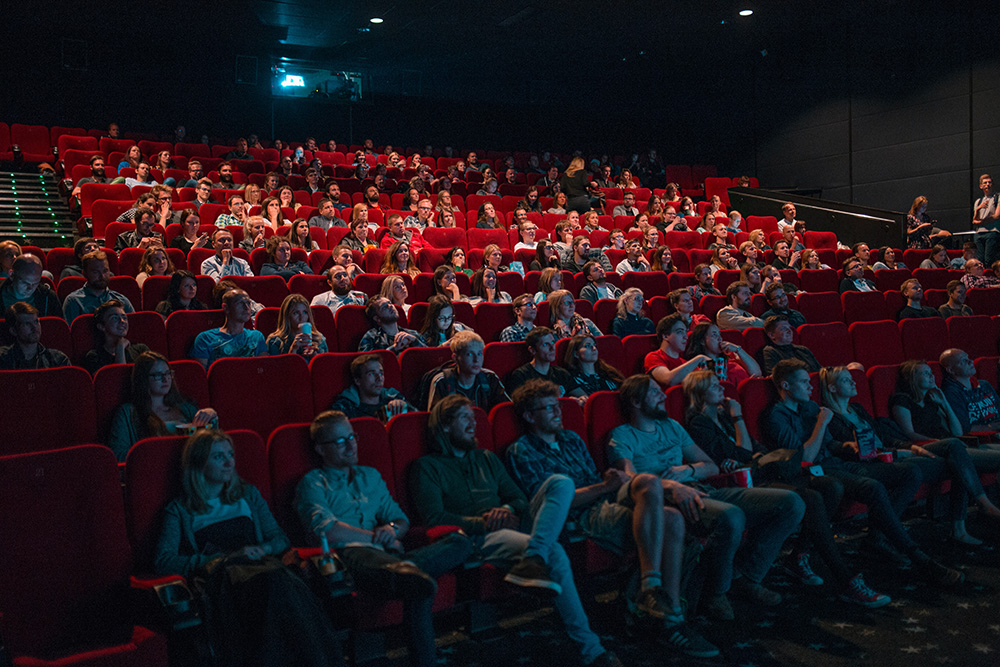
Today’s movie theatres are equipped with advanced technology that delivers outstanding picture and sound quality. Digital projection systems produce crystal-clear images with vibrant colours and sharp details. Many theatres now feature laser projectors that offer brighter visuals and better contrast. Surround sound systems, including Dolby Atmos, place viewers in the centre of the action by producing audio from multiple directions.
Premium large-format screens provide a wider viewing angle that makes action scenes and nature documentaries feel incredibly lifelike. Some cinemas even include motion seats, environmental effects, and interactive features that enhance the overall entertainment experience. Luxury seating has also become increasingly common, with reclining chairs, additional legroom, and reserved seating making movie outings more comfortable than ever before.
Different Types of Movie Theatres
Not all theatres offer the same experience. Traditional cinemas remain popular for everyday moviegoers who want to enjoy the latest films. Premium theatres provide larger screens, advanced projection technology, and superior sound systems for a more immersive experience. Luxury cinemas focus on comfort by offering reclining seats, food service, and spacious seating arrangements. Independent theatres specialise in artistic, foreign, and classic films that may not receive wide commercial releases.
Drive-in theatres, although less common today, continue to provide a nostalgic experience where audiences watch movies from their vehicles under the night sky. IMAX theatres deliver exceptional picture clarity and massive screens that make blockbuster films especially impressive. Each type of theatre serves different audiences while contributing to the diversity of the cinema industry.
Benefits of Visiting Movie Theatres
Visiting movie theatres offers numerous benefits beyond simple entertainment. Watching films on a giant screen enhances visual appreciation, allowing viewers to experience cinematography exactly as filmmakers intended.
Theatres encourage people to disconnect from daily responsibilities and enjoy uninterrupted entertainment without household distractions. Families often use movie outings as opportunities to spend quality time together, while friends gather to celebrate new releases and share memorable experiences. Supporting local theatres also contributes to the broader film industry by encouraging studios to continue producing ambitious projects designed for theatrical release. Additionally, theatres often host special screenings, film festivals, and community events that promote appreciation for cinema as an art form.
Challenges Facing Movie Theatres Today
Although movie theatres remain popular, they face several modern challenges. Streaming services provide convenient access to thousands of movies from home, making it tempting for some viewers to skip theatrical releases. Rising ticket prices and concession costs can also discourage frequent visits. Economic uncertainty may cause families to reduce entertainment spending, affecting theatre attendance.
Furthermore, changing viewing habits have led some audiences to prefer watching content on personal devices. To remain competitive, many theatres have responded by introducing loyalty programs, luxury seating, expanded food menus, private screenings, and premium viewing formats that offer experiences unavailable through home entertainment systems. These strategies have helped theatres continue attracting audiences despite growing competition.
The Future of Movie Theatres
The future of movie theatres looks promising as cinema operators continue investing in innovation and customer satisfaction. Emerging technologies such as virtual reality experiences, enhanced laser projection, AI-assisted customer services, and even more immersive sound systems may further improve theatre visits. Film studios continue creating blockbuster releases for cinemas because the big screen delivers breathtaking visuals and a more immersive storytelling experience. As long as people value shared entertainment experiences, theatres are likely to remain an essential part of global culture.
Conclusion
Movie theatres continue to hold a special place in the hearts of audiences around the world. Their combination of immersive technology, large screens, powerful sound systems, and shared social experiences creates an entertainment environment that streaming services cannot fully replace. While the industry continues adapting to changing technology and consumer preferences, the excitement of watching a film in a theatre remains unmatched.
From classic cinemas to luxurious premium venues, movie theatres continue evolving while preserving the timeless magic of storytelling on the big screen. Their ability to bring people together through unforgettable cinematic experiences ensures they will remain an important part of entertainment for many years to come.
Frequently Asked Questions (FAQs)
1. Why do people still visit movie theatres despite streaming services?
People enjoy movie theatres because they provide a larger screen, immersive sound, a distraction-free environment, and the unique experience of watching films with other audiences.
2. What technologies make modern movie theatres better?
Modern theatres use digital projection, laser projectors, Dolby Atmos sound, premium seating, and large-format screens to deliver exceptional entertainment experiences.
3. Are luxury movie theatres worth the extra cost?
Luxury theatres offer reclining seats, additional comfort, enhanced food options, and premium viewing experiences, making them worthwhile for many movie enthusiasts.
4. What is the difference between IMAX and regular movie theatres?
IMAX theatres feature significantly larger screens, improved image quality, specialised projection systems, and more immersive sound compared to standard movie theatres.
5. Will movie theatres continue to exist in the future?
Yes. While streaming services continue to grow, movie theatres are expected to remain popular by offering premium experiences, advanced technology, and the unique atmosphere of watching films on the big screen.
READ MORE: clocktimes