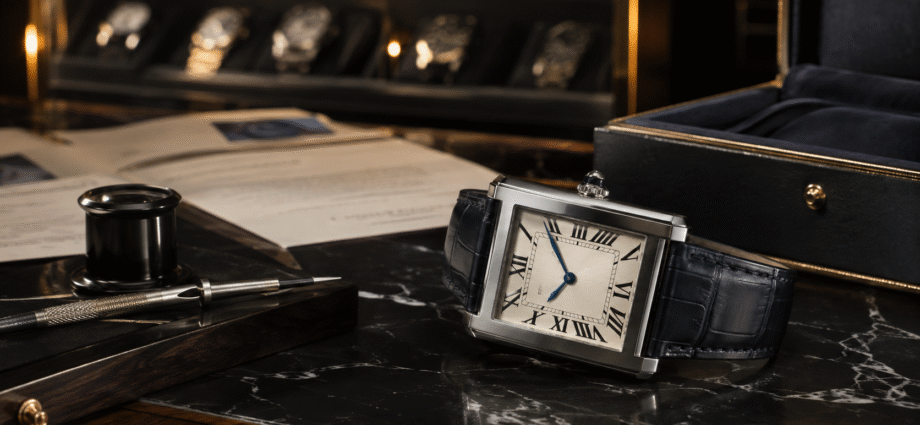
Buying a 2nd hand Cartier watch can be a smart way to own a famous luxury timepiece without paying the full retail price. Cartier has created many recognisable watches, from the rectangular Tank to the bold Santos and elegant Panthère. However, purchasing a pre-owned luxury watch requires more care than buying an ordinary accessory. Buyers must consider authenticity, condition, servicing costs, seller reputation, and future value. A beautiful appearance alone does not prove that a watch is genuine or fairly priced. Careful research helps you find a timepiece that fits your style, budget, and expectations while reducing the risk of expensive problems.
Why Buy a 2nd Hand Cartier Watch?
The most obvious advantage of buying pre-owned is the potential savings. A new Cartier watch may lose some market value after its original purchase, allowing the next owner to buy it at a more accessible price. This does not mean every used model is inexpensive, because rare references, discontinued designs, precious metals, and excellent vintage pieces may command high prices. Still, the pre-owned market usually offers a wider selection for a fixed budget. You may find current designs, older dial variations, discontinued case sizes, and vintage watches that are no longer available from Cartier boutiques.
A second-hand purchase can also offer better value for buyers who care more about the watch than the retail experience. New packaging, boutique service, and being the first owner are important to some people, but others prefer to spend their money on the actual model. A carefully maintained pre-owned Cartier can provide the same style and daily enjoyment as a new one. Light scratches may even make the wearer feel more comfortable using it regularly instead of treating it like an untouchable display piece.
Popular Pre-Owned Cartier Models
The Cartier Tank remains one of the brand’s most recognisable creations. Its rectangular case, Roman numerals, rail-style minute track, and blue hands give it a clean and timeless appearance. Numerous Tank versions exist, including smaller dress watches, larger modern references, quartz models, and mechanical pieces. Buyers should compare exact reference numbers because watches sharing the Tank name may differ greatly in size, movement, material, and price.
The Cartier Santos has a stronger and sportier character. Its square case and exposed screws make it easy to recognise, while many modern versions include practical bracelet and strap-changing systems. The Panthère de Cartier feels more like jewellery because of its flexible bracelet and elegant proportions. Other popular choices include the rounded Ballon Bleu, the distinctive Pasha, and the unusually shaped Baignoire. Trying different case shapes before buying is helpful because Cartier watches can look very different on the wrist than they do in photographs.
How to Check Whether a Cartier Watch Is Authentic
Authentication should be your biggest priority. Counterfeit watches have become more convincing, and some may include copied serial numbers, realistic packaging, and surprisingly detailed dials. Examine the printing, hands, crown, case finishing, screws, bracelet construction, engravings, and movement. Genuine Cartier watches normally display precise craftsmanship, but individual characteristics depend on the reference and production period. For this reason, no individual detail can confirm a watch’s authenticity on its own.
The reference number and serial number should be inspected carefully and compared with the watch’s design, material, movement, and approximate age. Papers can support the history of a watch, but they can also be lost, replaced, or copied. A box and certificate do not automatically guarantee authenticity. For an expensive purchase, request an inspection from a qualified watchmaker or choose an established dealer that provides a written authenticity guarantee. This independent protection is far more valuable than trusting online photographs alone.
Examine the Condition Before Buying
A used Cartier does not need to look brand new, but its condition should match the price and description. Ask for clear images of the dial, crystal, crown, case sides, case back, bracelet, clasp, and lugs. Small surface marks are normal, while deep dents, corrosion, cracked crystals, missing screws, or badly stretched bracelets may require costly work. Check whether the dial has stains, uneven printing, moisture damage, or replaced components.
Polishing deserves special attention. Gentle professional refinishing can improve a watch’s appearance, but excessive polishing may soften the case edges, reduce definition, and remove material. Collectors often prefer a watch with honest wear over one that has been polished too aggressively. Also ask whether the bracelet has enough links for your wrist. Replacement Cartier links, clasps, straps, and buckles can be expensive, so an incomplete bracelet should affect your offer.
Movement Type and Service History
Cartier uses both quartz and mechanical movements, and each option suits a different buyer. Quartz watches are accurate, convenient, and usually easier to maintain. They are ideal for someone who wants to put on the watch without winding it or resetting the time frequently. A stopped quartz watch may simply need a battery, but it could also have movement damage, so never accept that explanation without evidence.
Mechanical watches appeal to buyers who enjoy traditional watchmaking, but they generally need more maintenance. Ask when the watch was last serviced, who completed the work, and whether receipts are available. If the history is unknown, include a possible service in your budget. Test the crown, hand-setting function, date change, winding action, and timekeeping where possible. A low purchase price can quickly become less attractive when immediate repairs are required.
Boxes, Papers, and Original Parts
A full set generally includes the original box, warranty card or papers, manuals, and sometimes purchase receipts. These items can make the watch easier to resell and may increase buyer confidence. However, older watches are often sold without complete accessories, and their absence does not prove anything is wrong. Condition and authenticity remain more important than packaging.
Original components can strongly influence collectability. A replacement strap is common and usually less concerning than an altered dial, unsuitable movement, or incorrect case parts. Service replacement components may be genuine Cartier parts but can still change the appeal of a vintage watch. Ask the seller to disclose every known replacement or repair. The description should clearly explain what is original, what has been restored, and what remains uncertain.
Choosing a Reliable Seller
A trustworthy seller should provide detailed photographs, a clear condition report, payment protection, a return period, and written terms. Established certified pre-owned dealers may charge more than private sellers, but the additional cost can include professional inspection, servicing, authenticity protection, and a warranty. Private sales sometimes offer better prices, although buyers usually accept greater risk.
Review the seller’s trading history and independent customer feedback. Be cautious when someone pressures you to pay quickly, avoids specific questions, refuses additional images, or requests an unsafe payment method. Prices far below the normal market level should also raise concern. A genuine bargain can exist, but luxury watches offered at unbelievable prices frequently carry hidden issues.
Setting a Realistic Buying Budget
Do not spend your entire budget on the advertised price. Include shipping, insurance, taxes, authentication, bracelet sizing, a replacement strap, and possible servicing. Compare several examples with the same reference, material, size, movement, condition, and accessories. Two Cartier watches with similar names may not deserve similar prices.
Think about your purpose as well. If you want a daily watch, reliability and comfort may matter more than perfect collector condition. If resale value is important, focus on originality, documentation, desirable references, and careful preservation. Never assume that every Cartier watch will increase in value. Buy primarily because you appreciate the design and want to wear it.
Conclusion
A 2nd hand Cartier watch can deliver lasting style, strong craftsmanship, and better value than a new retail purchase. Success depends on checking authenticity, researching the exact reference, examining condition, understanding the movement, and allowing for future maintenance. Boxes and papers are helpful, but they should never replace a professional inspection or a reliable seller guarantee. Take your time, compare similar watches, and walk away from any deal that feels unclear. The right pre-owned Cartier should bring confidence and enjoyment, not uncertainty.
Frequently Asked Questions
Is buying a second-hand Cartier watch worth it?
Yes, it can offer excellent value, wider model selection, and access to discontinued designs. The watch must be authentic, correctly priced, and in suitable condition.
How can I tell whether a Cartier watch is genuine?
Check its reference, serial number, finishing, dial, movement, and construction. For greater certainty, use a respected dealer or independent watchmaker.
Do Cartier watches hold their value?
Some popular, rare, or discontinued references perform well, but value depends on demand, originality, condition, and market changes. Appreciation is never guaranteed.
Is a quartz Cartier watch a good purchase?
Yes. Quartz Cartier watches are accurate, convenient, and often less demanding to maintain, making them practical luxury watches for regular use.
Should I buy a Cartier watch without papers?
You can, particularly when buying an older model, but it should be professionally authenticated. The missing papers should also be reflected in its price.
READ MORE: clocktimes