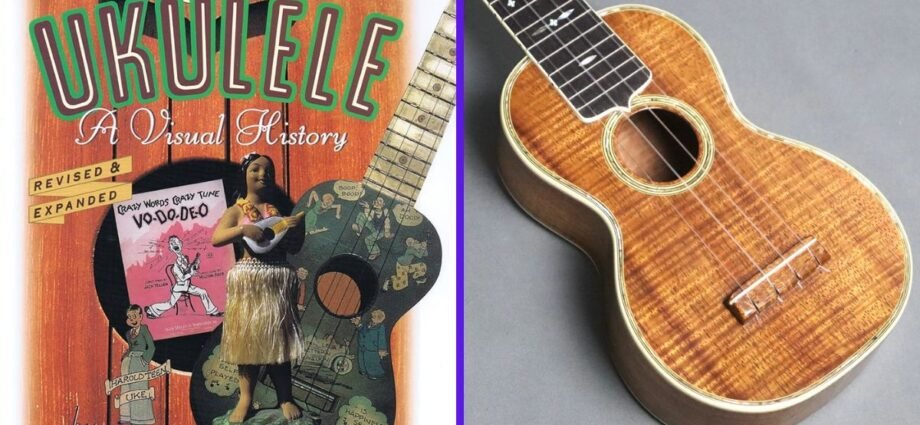
The ukulele history is a remarkable story of cultural exchange, creativity, and musical evolution. Although many people instantly associate the ukulele with Hawaii, its origins actually begin thousands of miles away on the Portuguese island of Madeira. Over the years, this small four-string instrument has travelled across continents, captured the hearts of musicians, and become one of the most recognisable instruments in the world. Its cheerful tone, compact size, and simple design have made it a favourite among beginners and professionals alike.
Today, the ukulele is far more than just a symbol of Hawaiian culture. It represents a unique blend of European craftsmanship, Hawaiian tradition, and modern musical innovation. Understanding the history of the ukulele provides valuable insight into how cultures influence one another and how a simple instrument can leave a lasting mark on global music.
The Portuguese Origins of the Ukulele
The story of the ukulele begins in the late nineteenth century with Portuguese immigrants from the island of Madeira. In August 1879, hundreds of workers arrived in Hawaii aboard the SS Ravenscrag to work on sugar plantations. Along with their personal belongings, these immigrants brought several traditional string instruments, including the machete de braga and the rajão, both of which played an important role in shaping the instrument that would eventually become the ukulele. These small instruments were well-suited to folk music and popular throughout Madeira.
Their compact size, bright tone, and easy portability made them ideal companions during long sea voyages. Once in Hawaii, the Portuguese immigrants introduced their music to local communities, creating an opportunity for different musical traditions to blend naturally. This meeting of cultures laid the foundation for one of the world’s most beloved musical instruments.
How the Ukulele Was Created in Hawaii
While Portuguese instruments inspired its design, the ukulele itself was created in Hawaii during the 1880s. Three talented Madeiran craftsmen—Manuel Nunes, Augusto Dias, and José do Espírito Santo—used their woodworking and instrument-building skills to adapt the Portuguese designs to local musical preferences. Their craftsmanship produced an instrument that was smaller, easier to play, and perfectly suited to Hawaiian melodies and singing styles.
Hawaiian musicians quickly embraced the instrument because its bright, cheerful sound complemented traditional chants, dances, and songs. Over time, the instrument developed its own unique identity, becoming distinct from its European ancestors. The ukulele’s lightweight construction and comfortable playing style helped it gain popularity among people of all ages, making it an important part of Hawaiian daily life.
The Hawaiian Royal Family’s Influence

One of the most important chapters in ukulele history involves the support of Hawaii’s royal family. King David Kalākaua, often remembered as the “Merrie Monarch,” strongly believed in preserving Hawaiian arts, music, and cultural traditions. He welcomed the ukulele into royal celebrations, public ceremonies, and formal gatherings, helping transform it from a newly introduced instrument into a respected symbol of Hawaiian identity.
The king’s enthusiasm encouraged musicians across the islands to learn and perform with the ukulele. His successor, Queen Liliʻuokalani, was also a gifted composer whose songs remain celebrated today. Although many of her compositions were written for voice, they are frequently performed on the ukulele because the instrument beautifully complements traditional Hawaiian melodies. Royal support elevated the ukulele’s reputation and ensured its lasting place in Hawaiian culture.
The Meaning Behind the Name Ukulele
The name ukulele has fascinated historians and musicians for generations. The most widely accepted translation in the Hawaiian language is “jumping flea.” This unusual name is commonly believed to describe the quick movement of a musician’s fingers dancing across the strings and fretboard while playing energetic melodies. Another popular explanation connects the name to Edward William Purvis, a British official in King Kalākaua’s court whose lively personality and enthusiastic playing style supposedly earned him the nickname “jumping flea.”
A more poetic interpretation, sometimes associated with Queen Liliʻuokalani, describes the instrument as “the gift that came from afar,” highlighting its journey from Portugal to Hawaii. Although this poetic meaning is not considered the literal translation, it beautifully reflects the instrument’s unique cultural heritage.
The Ukulele’s Rise Across the United States
For several decades, the ukulele remained largely associated with Hawaii until it gained national attention during the 1915 Panama-Pacific International Exposition in San Francisco. Hawaiian musicians performed throughout the event, introducing millions of visitors to the enchanting sounds of Hawaiian music.
The performances sparked tremendous interest, and the ukulele quickly became fashionable across the United States. During the 1920s, often called the Jazz Age, the instrument experienced an extraordinary boom. Its affordability, portability, and simple learning curve attracted families, students, and entertainers alike. American manufacturers began producing high-quality ukuleles in large numbers to satisfy growing demand. Music stores promoted the instrument as an accessible way to enjoy music at home, making it one of the most popular instruments of its era.
Challenges and the Modern Revival
Like many musical trends, the ukulele’s popularity eventually declined after World War II. The growing influence of rock and roll, electric guitars, and changing musical tastes shifted public attention away from traditional acoustic instruments. Inexpensive plastic ukuleles also contributed to the perception that it was merely a children’s toy rather than a serious musical instrument. However, the instrument experienced a remarkable comeback decades later.
Hawaiian musician Israel Kamakawiwoʻole introduced millions of listeners to the ukulele through his emotional medley of “Somewhere Over the Rainbow” and “What a Wonderful World,” showcasing the instrument’s expressive beauty. Later, virtuoso Jake Shimabukuro amazed audiences with technically advanced performances that challenged long-held assumptions about the ukulele’s musical capabilities. The growth of online video platforms, music tutorials, and social media further accelerated the instrument’s popularity, inspiring a new generation of players worldwide.
The Lasting Legacy of the Ukulele
Today, the ukulele enjoys worldwide popularity across numerous musical styles, including pop, jazz, folk, classical, country, and contemporary acoustic music. Its welcoming nature makes it one of the easiest instruments for beginners, while its versatility allows experienced musicians to explore advanced techniques and creative arrangements. Schools frequently include the ukulele in music education because students can quickly learn basic chords and develop confidence in playing.
Professional performers continue to push the instrument’s boundaries by incorporating fingerstyle techniques, percussive effects, and complex harmonies. Despite its global success, the ukulele remains deeply connected to Hawaiian culture, where it continues to accompany traditional songs, dances, and celebrations. The ukulele history reminds us that music has the power to unite different cultures, preserve traditions, and inspire creativity across generations.
Conclusion
The ukulele history is an inspiring story that begins with Portuguese immigrants, flourishes in the Hawaiian Islands, and grows into a worldwide musical phenomenon. From its humble beginnings as an adaptation of European folk instruments to its place on international stages, the ukulele has consistently brought joy, creativity, and cultural expression to people everywhere. Supported by Hawaiian royalty, embraced during the American music boom, and revived by talented modern performers, this small four-string instrument continues to thrive in the twenty-first century. Its rich heritage demonstrates how music can cross oceans, connect communities, and remain relevant through changing times. Whether played by beginners or master musicians, the ukulele continues to symbolise happiness, tradition, and the enduring spirit of musical innovation.
FAQs
1. Where did the ukulele originally come from?
The ukulele was developed in Hawaii during the 1880s, but it was inspired by traditional Portuguese instruments brought by immigrants from Madeira in 1879.
2. Why is the ukulele associated with Hawaii?
The instrument was refined and popularised in Hawaii, where it became deeply connected with Hawaiian music, hula performances, and royal cultural celebrations.
3. What does the word “ukulele” mean?
The most commonly accepted meaning is “jumping flea,” referring to the quick movement of a player’s fingers while performing.
4. Who helped make the ukulele famous worldwide?
King David Kalākaua promoted it in Hawaii, while the 1915 Panama-Pacific International Exposition introduced it to mainland America. In modern times, Israel Kamakawiwoʻole and Jake Shimabukuro helped revive its global popularity.
5. What Makes the Ukulele Popular Even Today?
The ukulele remains popular because it is affordable, easy to learn, highly portable, and versatile enough to be used in many musical genres, making it suitable for both beginners and professional musicians.
READ MORE: clocktimes