
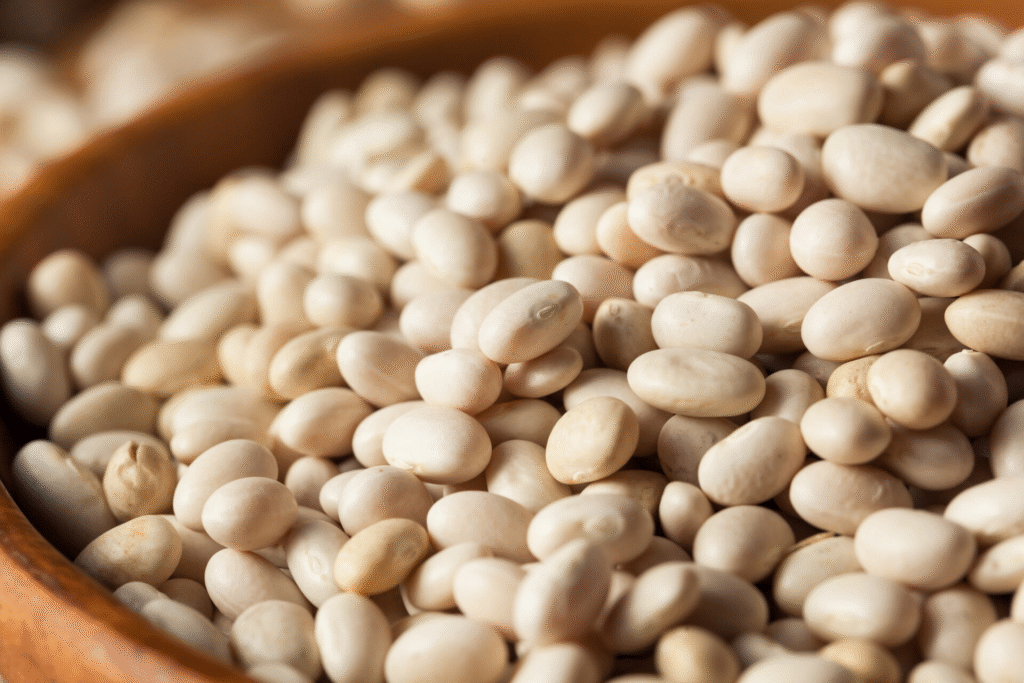
Navy beans are one of the most widely consumed varieties of white legumes, valued for their creamy texture, mild flavour, and impressive nutritional profile. Known scientifically as a type of common bean, navy beans have been cultivated in the Americas for centuries and later became a staple in global diets due to their affordability and versatility. These small, oval-shaped beans are often associated with traditional comfort foods, especially slow-cooked dishes that require a smooth and thick consistency. Despite their simple appearance, they are packed with essential nutrients that make them an important part of balanced diets across different cultures.
Their ability to absorb flavours easily allows them to blend seamlessly into a wide range of recipes, from soups to baked dishes. Over time, navy beans have gained recognition not only as a food source but also as a functional ingredient that supports digestive health, heart health, and sustained energy release throughout the day.
History and Origin of Navy Beans
The history of navy beans traces back to ancient cultivation practices in the Americas, where indigenous communities grew various types of beans as a dietary staple long before European contact. These legumes were later introduced to European settlers, who quickly recognised their long shelf life, ease of storage, and nutritional value. The name “navy bean” is believed to have originated in the 19th century when the United States Navy adopted them as a primary food source for sailors on long voyages.
Their durability, combined with their ability to remain edible after extended storage periods, made them an ideal provisioning food for naval expeditions. Over time, navy beans became associated with military rations and eventually entered mainstream household cooking. Their historical significance highlights not only their role in survival and sustenance but also their contribution to global food security systems.
Nutritional Profile of Navy Beans
A single cup of cooked navy beans provides a substantial amount of plant-based protein, dietary fibre, and complex carbohydrates, all of which contribute to sustained energy and improved metabolic function.
They are particularly rich in folate, an essential B vitamin that supports cell division and DNA synthesis, making them especially beneficial during periods of growth and development. In addition, they contain important minerals such as iron, magnesium, potassium, zinc, and copper, each playing a crucial role in maintaining overall health. Their low-fat content and absence of cholesterol make them heart-friendly, while their slow-digesting carbohydrates help maintain stable blood sugar levels.
The presence of soluble fibre also supports gut health by promoting beneficial bacteria in the digestive system.
Health Benefits of Navy Beans
Navy beans provide a wide range of health benefits that extend beyond basic nutrition, making them a valuable functional food in daily diets. One of their most important benefits comes from their high fibre content, which supports digestive regularity and helps prevent constipation while also promoting a healthy gut microbiome.
The soluble fibre in navy beans may also assist in lowering LDL cholesterol levels, contributing to improved cardiovascular health. Additionally, their low glycemic index means they release glucose slowly into the bloodstream, which can help stabilise blood sugar levels and reduce the risk of sudden spikes and crashes. This makes them particularly beneficial for individuals managing diabetes or insulin resistance.
The presence of potassium supports healthy blood pressure regulation, while magnesium contributes to muscle and nerve function. Their iron content helps in red blood cell production, potentially reducing the risk of anaemia. Because they are nutrient-dense yet low in calories, navy beans also support weight management by promoting satiety and reducing overall calorie intake.
Culinary Uses of Navy Beans
Navy beans are highly versatile in cooking, making them a staple ingredient in many traditional and modern recipes. Their mild flavour allows them to absorb spices, herbs, and seasonings easily, which makes them suitable for both savoury and lightly seasoned dishes.
Their soft texture after cooking makes them ideal for blending into sauces or thickening stews naturally. Because they cook relatively quickly compared to larger bean varieties, they are convenient for home cooking and meal preparation. Their adaptability ensures they remain a popular ingredient across diverse culinary traditions.
Cooking Tips and Substitutes
Cooking navy beans properly enhances both their texture and nutritional benefits. Adding salt toward the end of cooking helps maintain their texture, while herbs such as bay leaves or thyme can enhance flavour without overpowering their natural taste. In cases where navy beans are unavailable, suitable substitutes include Great Northern beans or cannellini beans, both of which share similar characteristics in terms of flavour and texture.
These alternatives work well in soups, stews, and baked dishes without significantly altering the final result. Proper storage of cooked beans in airtight containers also helps preserve freshness and allows for easy meal preparation throughout the week.
FAQs
Q1: What are navy beans?
A1: Navy beans are petite white legumes prized for their gentle flavour and smooth, creamy consistency when cooked.
Q2: Are navy beans healthy?
A2: Yes, they are rich in fibre, plant protein, and essential minerals that support overall health.
Q3: Do navy beans need soaking before cooking?
A3: Soaking is recommended to reduce cooking time and improve digestion.
Q4: What can replace navy beans in recipes?
A4: Great Northern beans and cannellini beans are the best substitutes.
Q5: Can navy beans be eaten daily?
A5: Yes, they can be included regularly in balanced diets for sustained nutrition.
Conclusion
Navy beans are a highly nutritious, versatile, and affordable legume that plays an important role in both traditional and modern diets. Their rich content of fibre, protein, and essential minerals makes them beneficial for digestion, heart health, and sustained energy. Whether used in soups, stews, or baked dishes, navy beans offer both flavour and nutrition in every serving. Consistently adding them to your diet may help promote overall well-being and balanced nutrition.
READ MORE: clocktimes