
The story of Alison Botha is one of the most remarkable accounts of human endurance and resilience ever documented. Known globally as a symbol of courage, she survived an unimaginable act of violence in 1994 that left her critically injured and fighting for her life. What makes her journey so extraordinary is not only the brutality she endured but the sheer determination she showed to survive against all odds. Today, Alison Botha is recognised as a motivational speaker and author whose message inspires people across the world to overcome adversity. Her life reflects the power of the human spirit to transform pain into purpose and darkness into hope, making her story both heartbreaking and deeply inspiring.
Early Life and Background
Before her life changed forever, Alison Botha lived a relatively ordinary life in South Africa. She grew up in a supportive environment and was described as a warm, friendly, and ambitious young woman. Like many young adults, she focused on building her future and enjoying her independence. There was nothing in her early years that foreshadowed the traumatic event that would later define public awareness of her name. However, this foundation of normalcy and emotional strength played an important role in shaping her ability to later survive and rebuild her life after extreme trauma. Her early life highlights how ordinary individuals can possess extraordinary strength when faced with unimaginable circumstances.
The 1994 Attack and Fight for Survival
In December 1994, Alison Botha experienced a life-altering attack that would test the limits of human endurance. She was abducted and subjected to extreme violence by two attackers. The incident left her with severe injuries and in a condition that medical professionals later described as nearly unsurvivable. Despite the severity of her condition, what followed became a defining example of human survival instinct. Alone and critically wounded, she managed to remain conscious and take actions that ultimately saved her life.
She used her remaining strength to stabilise herself physically and gradually made her way toward help. Her determination to live, even in the face of overwhelming physical damage, is often cited as one of the most extraordinary survival stories in modern history. When she was finally found and taken to medical care, doctors were astonished that she was still alive. Her survival was not only a medical miracle but also a testament to her extraordinary inner will.
Recovery and Healing Journey
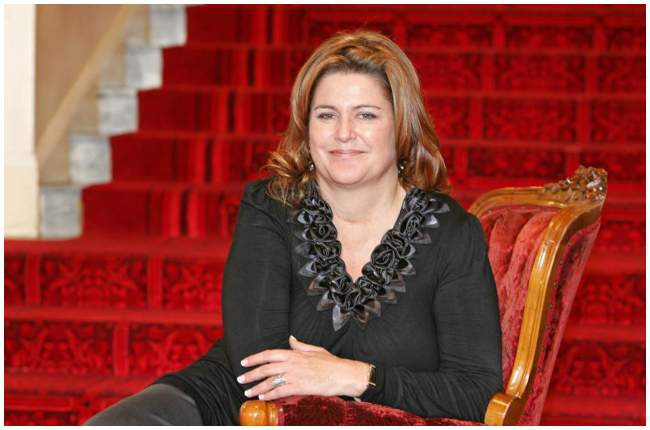
The recovery process for Alison Botha was long, painful, and emotionally challenging. She underwent multiple surgeries and intensive medical care to repair the extensive physical damage caused by the attack. However, the emotional journey of healing was equally significant. She had to confront psychological trauma while rebuilding her sense of identity and safety in the world. Instead of allowing her experience to define her as a victim, she chose to focus on recovery and personal growth. Support from medical professionals, friends, and family played an important role in her rehabilitation. Over time, she developed a strong mindset centred on acceptance, courage, and rebuilding her life step by step. Her recovery story is a powerful reminder that healing is not only physical but also deeply emotional and psychological.
Becoming a Motivational Speaker
After surviving and recovering from her injuries, Alison Botha made a powerful decision to share her story with the world. She became a motivational speaker, using her experience to inspire others facing hardship. Her talks focus on themes such as strength, forgiveness, resilience, and the ability to overcome adversity. Through her speaking engagements, she has reached audiences across different countries, helping people understand that even the darkest experiences can lead to transformation. Her message is not about the details of violence but about hope, survival, and reclaiming one’s life after trauma. She emphasises that while people cannot always control what happens to them, they can choose how they respond to it. This philosophy has made her a respected figure in personal development and trauma recovery communities.
Book and Film Representation of Her Story
The story of Alison Botha gained further global attention through her autobiography, I Have Life: Alison’s Journey, co-written with journalist Marianne Thamm. The book provides a deeply personal account of her experience, recovery, and emotional transformation. It has been widely read and praised for its honesty and emotional depth. Later, her story was adapted into a documentary film titled Alison in 2016, which brought her journey to an even wider audience. The film highlighted not only the attack and survival but also her strength in rebuilding her life. These works helped establish her legacy as more than a survivor; they positioned her as a symbol of hope and human endurance.
Later Life and Health Challenges
In addition to her earlier recovery, Alison Botha has faced further health challenges in later years, including serious medical complications that required urgent treatment and rehabilitation. Despite these setbacks, she has continued to demonstrate remarkable courage and determination. Her ability to confront new health struggles with the same strength she showed in 1994 reflects her lifelong commitment to resilience. She continues to receive medical support and remains surrounded by a strong network of care and advocacy. Her journey shows that healing is ongoing and that strength is continuously tested throughout life.
Legacy and Global Impact
The legacy of Alison Botha extends far beyond her personal survival story. She has become a global symbol of hope, resilience, and the human ability to overcome extreme adversity. Her story is used in educational, motivational, and therapeutic contexts to help others understand trauma recovery. She has inspired countless individuals to rethink their own capacity for strength in difficult situations. Her impact lies not only in what she survived but in how she transformed that experience into a message that continues to empower others worldwide. Her life demonstrates that even the most devastating experiences can be transformed into purpose and meaning.
Conclusion
The journey of Alison Botha is a powerful reminder of the strength that can exist within the human spirit. From surviving unimaginable violence to rebuilding her life and becoming a voice of hope, her story continues to inspire millions. It shows that while trauma can leave deep scars, it does not have to define a person’s future. Through courage, determination, and resilience, she turned her pain into a message of empowerment. Her legacy stands as proof that even in the darkest moments, the will to live and rebuild can create a new and meaningful path forward.
FAQs
1. Who is Alison Botha?
Alison Botha is a South African motivational speaker and author known for surviving a violent attack in 1994 and later sharing her recovery journey with the world.
2. What makes her story so significant?
Her story is significant because she survived severe injuries considered medically catastrophic and later rebuilt her life into one of purpose and inspiration.
3. What book did Alison Botha write?
She co-authored I Have Life: Alison’s Journey, which details her experience and recovery process.
4. What is the main message of her motivational talks?
Her talks focus on resilience, healing, forgiveness, and the ability to overcome extreme adversity.
5. How is Alison Botha viewed today?
She is widely regarded as a symbol of hope and strength, inspiring people globally through her survival and advocacy work.
READ MORE: clocktimes