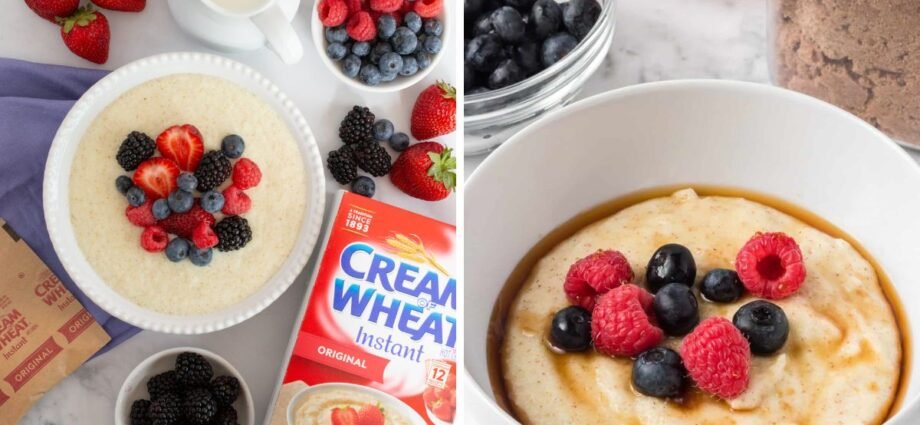
Cream of wheat is one of the most recognised hot breakfast foods in many households, especially in North America, where it has been enjoyed for generations. It is a smooth, warm porridge made from finely ground wheat, known as farina, and it has a soft texture that makes it easy to digest for people of all ages. Over time, it has become a comforting morning meal that can be customised in countless ways depending on taste preferences and nutritional needs. Its simplicity, affordability, and versatility have allowed it to remain relevant even in a world full of modern breakfast options like smoothies, cereals, and protein bars.
What is Cream of Wheat?
At its core, cream of wheat is a type of breakfast cereal made from milled wheat kernels that are cooked into a smooth porridge. Unlike coarser grains such as oats or cornmeal, it has an extremely fine texture that creates a creamy consistency when prepared with hot water or milk. This makes it particularly appealing for individuals who prefer soft, easy-to-eat foods.
The mild flavour profile is another reason it is widely appreciated, as it serves as a blank canvas for both sweet and savoury additions. It can be enriched with butter, sugar, fruits, or even cheese and spices, depending on dietary preferences. Because it cooks quickly and requires minimal ingredients, cream of wheat is also considered a practical meal option for busy mornings or situations where convenience is important without compromising nourishment.
History and Origin
The origins of cream of wheat date back to the late 19th century in the United States, where it was first developed as a processed wheat cereal designed to be both nutritious and easy to prepare. It quickly gained popularity due to its affordability and accessibility during a time when convenient breakfast foods were limited.
Over the decades, it became a staple in American kitchens and was widely marketed as a wholesome family meal. Its rise in popularity was also linked to industrial advancements in food processing, which allowed wheat to be finely milled and packaged for long-term storage. As dietary habits evolved, cream of wheat maintained its place in households because of its adaptability and comforting qualities. Even today, it remains a nostalgic food for many people who associate it with childhood breakfasts and traditional home cooking experiences.
Nutritional Profile and Composition
One of the key reasons cream of wheat remains popular is its strong nutritional profile. It is naturally low in fat and cholesterol-free, making it a heart-friendly option when prepared without heavy additives. It is also commonly enriched with essential vitamins and minerals such as iron, calcium, and various B vitamins, including thiamin, riboflavin, niacin, and folate.
These nutrients play important roles in energy production, red blood cell formation, and overall metabolic health. A typical serving provides moderate calories along with a balance of carbohydrates and a small amount of protein, making it a steady energy source for the morning. The presence of iron is especially significant because it supports oxygen transport in the body and helps prevent fatigue. While it is not a high-protein food on its own, it can be easily combined with milk, nuts, or seeds to improve its nutritional density and create a more balanced meal.
Health Benefits of Cream of Wheat

The health benefits of cream of wheat are closely tied to its nutrient content and digestibility. Because it has a soft and smooth texture, it is often recommended for individuals who need easily digestible foods, including children, older adults, and people recovering from illness. Its iron content supports healthy blood circulation and energy levels, while B vitamins contribute to brain function and overall vitality. The low-fat content makes it suitable for those managing cholesterol or looking for lighter meal options.
Additionally, it provides steady carbohydrates that help maintain energy throughout the morning without causing rapid spikes in blood sugar when consumed in balanced portions. When paired with fibre-rich toppings such as fruits or seeds, cream of wheat can also support digestive health and promote a feeling of fullness, making it a practical choice for weight-conscious diets.
Preparation Methods and Serving Ideas
Preparing cream of wheat is simple and requires only a few basic steps, which adds to its popularity as a quick breakfast option. It is typically cooked by boiling water or milk and slowly whisking in the cereal until it reaches a smooth, thick consistency.
The cooking process takes only a few minutes, making it ideal for busy mornings. Once prepared, it can be customised in numerous ways to suit different tastes. For a sweet version, people often add honey, sugar, cinnamon, or fresh fruits such as bananas and berries. For a savoury approach, it can be seasoned with salt, butter, or cheese, creating a comforting dish similar to soft polenta or grits. This flexibility allows cream of wheat to fit into a variety of dietary preferences and cultural cuisines, making it far more versatile than many other breakfast options.
Variations and Modern Adaptations
Over time, cream of wheat has evolved into several modern variations to meet changing consumer needs. Instant versions are now widely available, allowing people to prepare them in just minutes using a microwave. These convenient packets are especially popular among office workers and students who need quick meal solutions.
These variations make it easier for individuals to enjoy different taste experiences without additional preparation. Despite these innovations, the traditional stovetop version remains popular among those who prefer a more authentic texture and cooking experience. The adaptability of cream of wheat ensures that it continues to appeal to both traditional consumers and modern lifestyles.
Conclusion
In conclusion, cream of wheat remains a timeless breakfast option that combines simplicity, nutrition, and versatility in one dish. Its smooth texture, mild flavour, and rich nutrient profile make it suitable for a wide range of individuals, from children to older adults. Whether enjoyed plain or enhanced with creative toppings, it provides a comforting and nourishing start to the day. As dietary trends continue to evolve, Cream of Wheat maintains its relevance by offering both tradition and adaptability in a single bowl.
FAQs
1. What is cream of wheat made from?
It is made from finely ground wheat known as farina, which is cooked into a smooth porridge.
2. Is cream of wheat healthy?
Yes, it is low in fat and often enriched with iron and B vitamins, making it a nutritious breakfast option when eaten in moderation.
3. Can cream of wheat help with digestion?
Yes, its soft texture makes it easy to digest, especially for people who need gentle foods.
4. Is cream of wheat suitable for weight loss?
It can be part of a weight-loss diet when eaten in controlled portions and paired with healthy toppings.
5. What are the best toppings for cream of wheat?
Popular toppings include fruits, honey, cinnamon, nuts, butter, and even savoury options like cheese and spices.
READ MORE: clocktimes