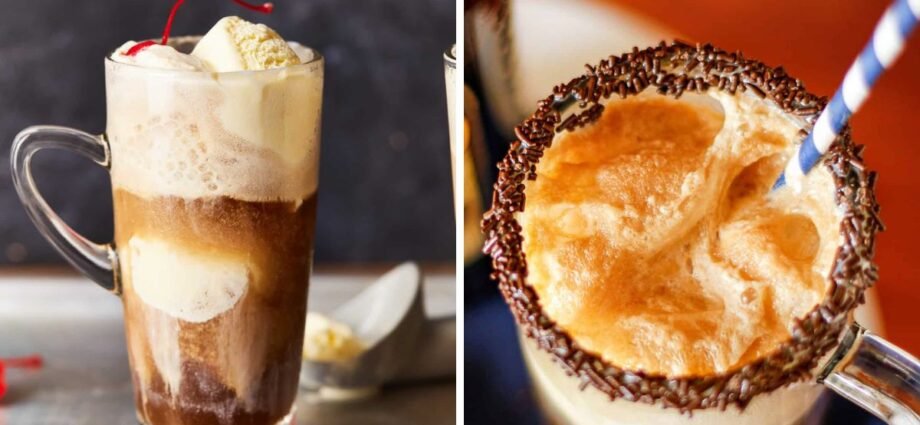
The root beer float is one of the most iconic and nostalgic dessert beverages in American food culture. It is a simple yet magical combination of vanilla ice cream and chilled root beer, creating a creamy, fizzy, and refreshing treat that appeals to people of all ages. When the cold soda meets the smooth ice cream, it produces a rich foam and a layered texture that feels both indulgent and playful.
Despite its simplicity, the drink has remained popular for decades because of its unique contrast between creamy sweetness and sharp carbonation.
What Is a Root Beer Float?
A root beer float is a dessert drink made by combining two main ingredients: root beer and ice cream, typically vanilla. The beverage is served in a tall glass where scoops of ice cream are placed first, followed by slowly poured root beer. The result is a fizzy, creamy mixture with a thick foam layer on top. This foam is created by the interaction of carbonation and dairy, which traps bubbles and forms a soft, frothy texture. The drink is usually consumed immediately with a straw and spoon to enjoy both the liquid and the melting ice cream. What makes the root beer float special is its balance of temperature, texture, and flavour, offering both refreshment and dessert satisfaction in a single glass.
History and Cultural Significance of Root Beer Float
The origins of the root beer float trace back to the late 19th century in the United States, during the rise of soda fountains and ice cream parlours. It is widely believed that the drink was first created by combining soda with ice cream as a way to enhance flavour and create a richer dessert experience. Root beer itself was already a popular beverage made from herbs, bark, and spices, known for its distinct sweet and slightly medicinal taste.
When paired with ice cream, it quickly became a customer favourite. Over time, the root beer float became a symbol of American diner culture, often associated with jukeboxes, chrome counters, and nostalgic family outings. It represents a time when simple ingredients could create memorable culinary experiences, and it continues to hold cultural significance as a comfort drink across generations.
Ingredients and Step-by-Step Preparation
Making a root beer float requires only a few ingredients, but the technique plays an important role in achieving the perfect texture. The essential components include chilled root beer and vanilla ice cream, preferably rich and creamy for the best flavour balance. To prepare, a tall glass is first chilled to maintain temperature stability.
This careful pouring helps prevent overflow and ensures a smooth foam formation. As the soda interacts with the ice cream, it creates a creamy head that rises to the top.
Popular Variations of Root Beer Float
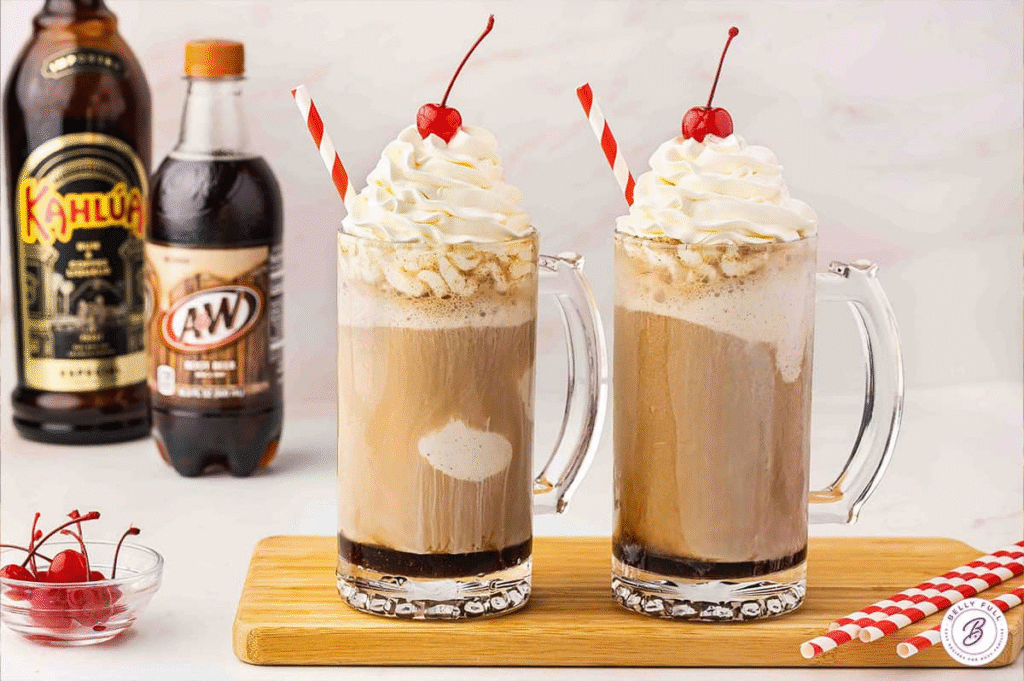
Although the traditional root beer float uses vanilla ice cream and classic root beer, many creative variations enhance or modernise the original recipe. Some people use chocolate or caramel ice cream for a richer flavour profile, while others experiment with flavoured sodas such as cream soda or vanilla soda.
Another popular variation is the adult version, which may include a splash of coffee liqueur or spiced syrups for added depth. Some modern dessert cafes even turn the root beer float into milkshake hybrids by blending the ingredients for a thicker consistency. These variations show how adaptable and timeless the concept remains.
Tips for the Perfect Root Beer Float
Creating the perfect root beer float requires attention to detail despite its simplicity. One important tip is to always chill both the glass and the ingredients before preparation, as temperature plays a key role in controlling foam and texture. Another key factor is pouring the root beer slowly and at an angle to minimise overflow caused by carbonation. Using high-quality vanilla ice cream is also essential because it provides the creamy base that balances the strong flavour of root beer. Additionally, serving the float immediately ensures the best contrast between cold soda and slightly melting ice cream. Some people also prefer using a spoon first to enjoy the ice cream before drinking the remaining mixture through a straw, enhancing the overall experience.
Nutritional Overview and Considerations
While the root beer float is undeniably delicious, it is also considered an indulgent treat rather than a health-focused beverage. It contains sugar from both the soda and ice cream, along with fats from dairy products. However, its portion size is usually small enough that it fits comfortably into occasional dessert consumption. Despite its richness, the drink remains popular because it is more about enjoyment and nostalgia than nutritional value.
FAQs
1. What makes a root beer float foam so much?
The foam is created when carbonation in root beer reacts with the fats and proteins in ice cream, trapping bubbles and forming a frothy layer.
2. Can I use other sodas instead of root beer?
Yes, cream soda and cola are common alternatives, though the flavour profile will differ from the classic root beer float.
3. Is a root beer float alcoholic?
No, a traditional root beer float is non-alcoholic, making it suitable for all age groups.
4. What is the best ice cream for a root beer float?
Vanilla ice cream is considered the best choice because its mild flavour complements the strong taste of root beer.
5. Why is it called a root beer float?
It is called a “float” because the ice cream floats on top of the soda before slowly melting into the drink.
Conclusion
The root beer float remains a timeless dessert beverage that continues to charm people with its simplicity and nostalgic appeal. Combining just two main ingredients, it delivers a unique sensory experience that blends creaminess with carbonation in a way few other drinks can match. Whether enjoyed at a diner, a summer gathering, or made at home, the root beer float represents comfort, tradition, and playful indulgence. Its enduring popularity proves that sometimes the simplest recipes create the most memorable experiences.
READ MORE: clocktimes