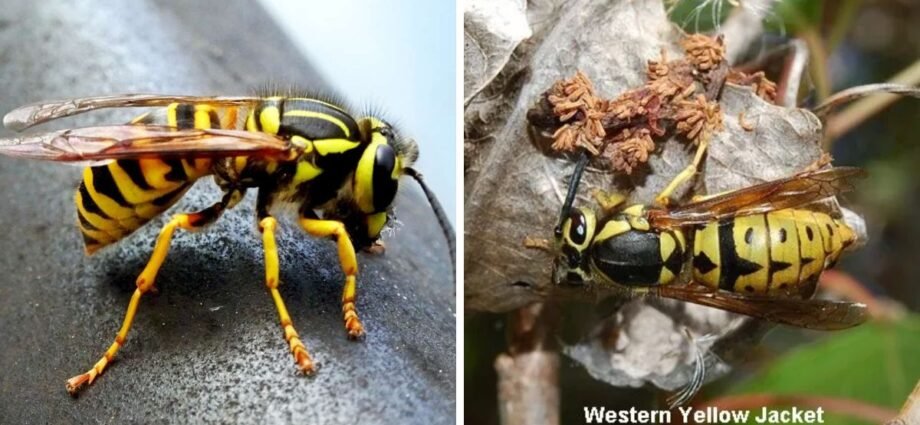
Yellow jackets are among the most aggressive stinging insects found around homes, gardens, and outdoor spaces. Unlike honeybees, these pests can sting multiple times and often attack in groups when they feel threatened. During late summer and early fall, yellow jackets become even more active as they search for sugary foods and protein sources near humans. Their painful stings and defensive behaviour make them dangerous, especially for people who are allergic to insect venom. Understanding how to get rid of yellow jackets properly is important because using the wrong method can increase aggression and lead to serious stinging incidents.
Many homeowners mistake yellow jackets for bees, but yellow jackets are actually a type of wasp with smooth bodies and bright black-and-yellow colouring. They usually build nests underground, inside walls, under roofs, or in trees. Because colonies can contain thousands of workers, eliminating them requires careful planning and safe techniques. Whether you are dealing with a small nest in your yard or a hidden colony near your home, the right approach can help remove the infestation effectively while reducing risks to your family and pets.
Understanding Why Yellow Jackets Invade Your Property
Before learning how to get rid of yellow jackets, it is important to understand why they appear in the first place. Yellow jackets are highly attracted to food, water, and shelter. Outdoor garbage bins, sugary drinks, pet food, compost piles, and uncovered leftovers create perfect feeding opportunities for these insects. During warmer months, worker yellow jackets search constantly for protein and sweet substances to feed their colony.
Another reason yellow jackets invade residential areas is that homes offer protected nesting spaces. Underground holes, wall cavities, attics, sheds, and roof eaves provide ideal shelter for growing colonies. Once a queen establishes a nest in spring, the colony expands rapidly throughout summer. By late season, the nest population can become extremely large, making removal more challenging and dangerous.
Recognising yellow jacket activity early can prevent larger infestations. Frequent sightings around garbage areas, buzzing near wall openings, or groups flying in and out of the same hole often indicate an active nest nearby. Acting quickly is essential because colonies become more aggressive as they grow larger.
Best Time to Remove Yellow Jackets
Timing plays a major role in safely removing yellow jackets. The best time to treat a nest is during the evening, early morning, or nighttime when most workers are inside the colony and less active. Cooler temperatures slow their movement, reducing the chance of aggressive attacks.
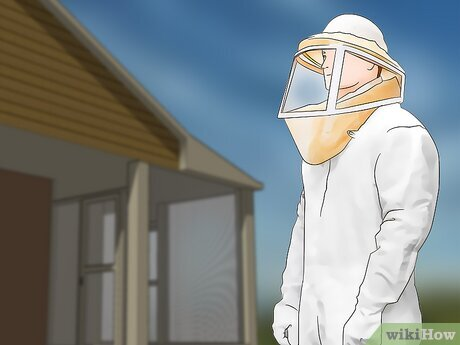
Never attempt nest removal during the hottest part of the day because yellow jackets are highly active and defensive. Bright lights can also attract and agitate them at night, so using a flashlight with a red covering is often recommended. Proper clothing, such as long sleeves, thick gloves, boots, and protective eyewear, can help minimise sting exposure during treatment.
Understanding seasonal behaviour also helps with prevention. Colonies usually die off during winter except for newly fertilised queens that survive to start fresh nests in spring. Sealing entry points and removing old nests during colder months can reduce future infestations significantly.
Effective Ways to Eliminate Ground-Nesting Yellow Jackets
Ground nests are one of the most common yellow jacket problems homeowners face. These nests are often hidden in abandoned rodent burrows, soil holes, gardens, or lawn areas. Because the entrance may appear small, many people accidentally disturb colonies while mowing or gardening.
One effective method for removing underground colonies is applying insecticidal dust directly into the nest opening. The dust clings to worker yellow jackets as they travel in and out, spreading poison throughout the colony. This method is highly effective because it reaches deep into the nest where sprays may not penetrate.
Another popular solution involves using soapy water. Mixing strong dish soap with water and pouring it into the nest entrance can quickly suffocate many insects. Although this method may work for smaller colonies, it is less reliable for large infestations.
Extreme caution is necessary when treating underground nests because disturbed yellow jackets can swarm aggressively. Always stand at a safe distance after applying treatment and avoid blocking the entrance immediately.
Removing Yellow Jackets from Walls and Roofs
Yellow jackets frequently build nests inside walls, attics, roofs, and gaps in siding. These hidden colonies can become especially dangerous because insects may eventually enter indoor living spaces. Many homeowners make the mistake of sealing the opening too early, which traps yellow jackets inside and forces them to find new exits through walls or ceilings.
The safest approach for wall nests usually involves applying specialised insecticidal dust into the entry point. Dust products travel through hidden tunnels and reach the colony more effectively than sprays. After waiting several days and confirming no activity remains, the opening can then be sealed properly.
For roof or hanging nests, aerosol wasp sprays with long-range nozzles can help treat colonies from a safer distance. Spraying should always occur at night when yellow jackets are less active. After treatment, the nest should remain undisturbed for at least 24 hours before removal.
If the colony is very large or difficult to access, professional pest control services are often the safest option. Attempting to remove hidden nests without experience can increase the risk of multiple stings and structural damage.
Natural and Preventive Methods for Yellow Jacket Control
Many homeowners prefer natural solutions when learning how to get rid of yellow jackets. While natural methods may not eliminate large colonies, they can reduce yellow jacket activity and help prevent future infestations.
Peppermint oil is one commonly recommended natural repellent because yellow jackets dislike its strong scent. Mixing peppermint oil with water and spraying around patios, windows, and entry points may discourage nesting. Certain plants, such as citronella, lavender, and eucalyptus, can also help repel insects naturally.
Keeping outdoor areas clean is one of the most effective prevention strategies. Trash bins should remain tightly sealed, sugary spills should be cleaned immediately, and outdoor food should never be left uncovered. Pet food bowls should also be removed after feeding.
Yellow jacket traps are another useful preventive tool. Protein-based baits work well during spring and early summer, while sweet baits become more effective in late summer and fall. Placing traps away from seating areas can help draw yellow jackets away from human activity.
Safety Tips When Dealing with Yellow Jackets
Safety should always remain the top priority during yellow jacket removal. These insects can sting repeatedly and release alarm pheromones that attract additional workers to attack. People with allergies may experience severe reactions that require immediate medical attention.
Never attempt to hit, swat, or crush yellow jackets near their nest because this increases aggression rapidly. Avoid wearing floral clothing or strong perfumes during treatment since these scents can attract insects. Children and pets should remain indoors during removal efforts.
If you receive multiple stings or experience symptoms such as difficulty breathing, swelling, dizziness, or chest tightness, seek emergency medical care immediately. Professional exterminators have protective equipment and specialised treatments designed for safely handling large infestations.
Conclusion
Learning how to get rid of yellow jackets requires patience, proper timing, and safe treatment methods. These aggressive insects can become dangerous when disturbed, especially near large nests hidden underground or inside walls. Identifying the nest location and choosing the correct removal strategy is essential for successful control.
Whether you use insecticidal dust, traps, natural repellents, or professional pest control services, taking preventive steps can help keep yellow jackets away from your property long-term. Maintaining clean outdoor spaces, sealing potential nesting sites, and acting quickly at the first signs of activity will greatly reduce the chances of future infestations. By following safe and effective methods, homeowners can protect their families and enjoy outdoor spaces without the threat of painful yellow jacket stings.
FAQs
1. What is the fastest way to get rid of yellow jackets?
The fastest method is using a wasp or yellow jacket insecticide at night when the insects are less active. Professional pest control is often the quickest solution for large nests.
2. Can vinegar kill yellow jackets?
Vinegar may repel yellow jackets temporarily, but it is not strong enough to eliminate an entire colony effectively.
3. Is it safe to remove a yellow jacket nest by yourself?
Small nests may be manageable with proper protection, but large or hidden nests can be dangerous. Professional removal is recommended for difficult infestations.
4. Why are yellow jackets more aggressive in late summer?
During late summer, food sources become scarce, causing yellow jackets to search aggressively for sugary foods and drinks near humans.
5. Do yellow jackets return to the same nest every year?
No, yellow jackets usually build new nests each year. However, surviving queens may return to the same area if conditions remain favourable.
READ MORE: clocktimes