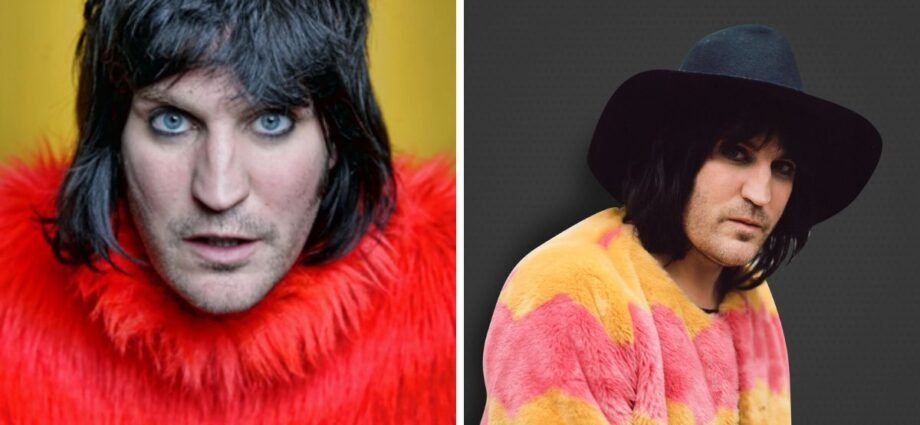
Noel Fielding is widely recognised as one of the most distinctive creative voices in modern British entertainment. Best known for his surreal comedy style, visual imagination, and eccentric on-screen presence, he has built a career that moves fluidly between television, live performance, and film. When people search for Noel Fielding movies, they are often surprised to discover that his filmography is not dominated by mainstream blockbuster roles but instead by a carefully curated mix of cult comedies, indie projects, and voice acting performances. Unlike traditional actors who follow a linear Hollywood path, Fielding has embraced unconventional storytelling, often choosing roles that reflect his artistic personality rather than commercial appeal. This has made his movie appearances feel more like extensions of his creative universe rather than separate acting jobs.
Who Is Noel Fielding and His Rise in Entertainment
To understand Noel Fielding’s movies, it is important to first understand his creative background. Fielding rose to fame through experimental comedy, particularly as part of the surreal comedy duo behind The Mighty Boosh. His early career was defined by a blend of stand-up, sketch performance, and visual artistry that leaned heavily into dreamlike narratives and absurd humour. This unique approach quickly set him apart in the British comedy scene. Rather than transitioning into traditional dramatic acting roles, he continued to develop a brand of entertainment that defied categorisation. His work in television later expanded into mainstream recognition, especially through The Great British Bake Off, but his film appearances remained rooted in alternative, often low-budget productions that allowed him to maintain creative freedom.
Overview of Noel Fielding’s Movies and Film Career Direction
The phrase Noel Fielding movies refers to a surprisingly diverse but compact filmography. Instead of appearing in large numbers of films, Fielding selects projects that align with his eccentric style. His movie appearances often include ensemble comedies, surreal narratives, and experimental storytelling formats. Films such as Bunny and the Bull and Aaaaaaaah! Highlight his willingness to participate in unconventional cinematic experiments. These projects are not typical commercial comedies; instead, they rely heavily on visual humour, improvisation, and abstract storytelling. Fielding’s roles are often supporting or cameo-based, but they leave a strong impression due to his highly recognisable persona. This selective approach has helped him maintain a consistent identity across all his film appearances.
Breakthrough and Cult Film Contributions
One of the most interesting aspects of Noel Fielding’s movies is his involvement in cult cinema. Films like Bunny and the Bull (2009) and The Festival (2018) showcase his ability to enhance surreal storytelling environments. In Bunny and the Bull, Fielding plays Javier, a character embedded in a visually inventive road-trip narrative that blends imagination with memory. Similarly, The Festival allows him to embrace exaggerated comedic energy in a music festival setting, reinforcing his connection to youth-driven, chaotic humour. Earlier appearances, such as his brief role in Plunkett & Macleane, demonstrate the beginning of his transition from television comedy to cinematic experimentation. These films are not always mainstream successes, but they have developed strong cult followings because of their originality and offbeat humour.
Voice Acting and Animated Film Roles
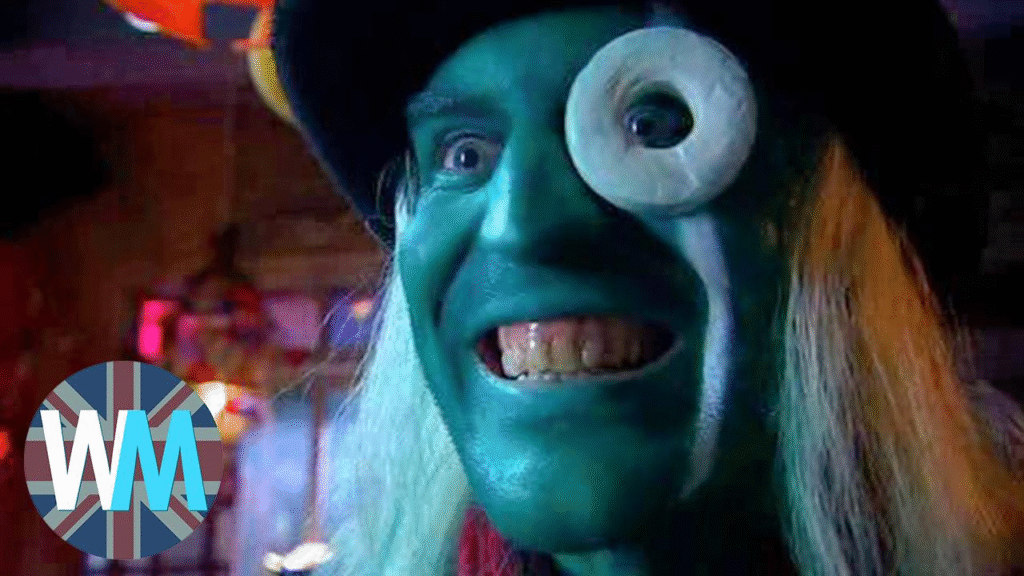
Another significant part of Noel Fielding’s movies includes his voice acting work, which allows him to expand his surreal comedic identity into animation. One of his most recognisable voice roles appears in The Lego Movie 2: The Second Part (2019), where he voices Balthazar, a quirky and theatrical character with a vampire-inspired design. Voice acting suits Fielding’s expressive vocal style, as it allows him to exaggerate tone, rhythm, and humour without physical constraints. His performance style often leans toward playful exaggeration, making animated roles a natural extension of his comedic personality. Although he does not frequently appear in animated films, his contributions are memorable because they match the whimsical tone of the projects he chooses.
Style, Themes, and Cinematic Identity
A defining feature of Noel Fielding’s movies is their consistent tone, even across different genres and directors. Whether he appears in live-action comedy or animated films, Fielding brings a surreal, almost dreamlike energy to every role. His performances often include exaggerated gestures, unusual dialogue delivery, and a strong visual presence that reflects his background in art and design. Many of his film roles exist within narratives that blur the line between reality and fantasy, which aligns with his broader creative identity. Rather than pursuing dramatic transformation, he often plays characters that feel like extensions of his comedic persona. This consistency has made him instantly recognisable, even in small roles or brief appearances.
Collaborations and the Indie Film Scene
Another key element of Noel Fielding’s movies is his repeated collaboration with fellow creatives from the British alternative comedy scene. He has frequently worked with directors and performers who share his interest in experimental storytelling and nontraditional comedy structures. These collaborations often result in films that prioritise creativity over commercial success. His involvement in projects such as Set the Thames on Fire and Brakes reflects his willingness to support independent filmmakers and participate in unconventional production styles. These films often rely on improvisation and visual experimentation, giving Fielding the freedom to contribute in ways that go beyond scripted performance. His presence in the indie film world reinforces his reputation as a performer who values artistic expression over mainstream visibility.
Cultural Impact and Lasting Influence
The broader impact of Noel Fielding’s movies lies in how they challenge traditional expectations of film careers. Fielding has demonstrated that an actor does not need to appear in blockbuster franchises to maintain cultural relevance. Instead, his filmography shows how niche, creative roles can build a lasting legacy within cult entertainment communities. His influence extends beyond film into fashion, visual art, and television comedy, making him a multi-dimensional creative figure. Fans often appreciate his movie appearances because they feel personal, experimental, and visually distinct. This has helped him maintain a loyal audience that follows his work across multiple platforms, from stage performances to television and film.
FAQs About Noel Fielding Movies
1. What are the most popular Noel Fielding movies?
Some of the most recognized noel fielding movies include Bunny and the Bull, The Festival, and his voice role in The Lego Movie 2: The Second Part.
2. Does Noel Fielding act in mainstream Hollywood films?
He occasionally appears in larger productions, but most of his film work is focused on indie and cult comedy projects rather than mainstream Hollywood cinema.
3. What type of roles does Noel Fielding usually play in movies?
He typically plays eccentric, comedic, or surreal characters that reflect his unique performance style and artistic personality.
4. Is Noel Fielding more active in TV or movies?
While he has appeared in several films, he is far more active and widely recognised for his television work and live comedy performances.
5. Why are Noel Fielding’s movies considered cult favourites?
Many Noel Fielding movies are part of experimental or surreal comedy projects, which attract niche audiences and develop strong cult followings over time.
Conclusion
In exploring Noel Fielding’s movies, it becomes clear that Noel Fielding has built a film career defined not by quantity or commercial dominance, but by creativity, individuality, and artistic risk-taking. His roles in cult films, indie productions, and animated features reflect a consistent commitment to surreal humour and visual storytelling. Rather than following conventional Hollywood pathways, he has chosen projects that align with his imaginative worldview, making his filmography both unconventional and memorable. This approach has allowed him to maintain a strong identity across multiple entertainment mediums, proving that success in film can be measured not only by fame or box office numbers but also by originality and lasting cultural impact.
READ MORE: clocktimes