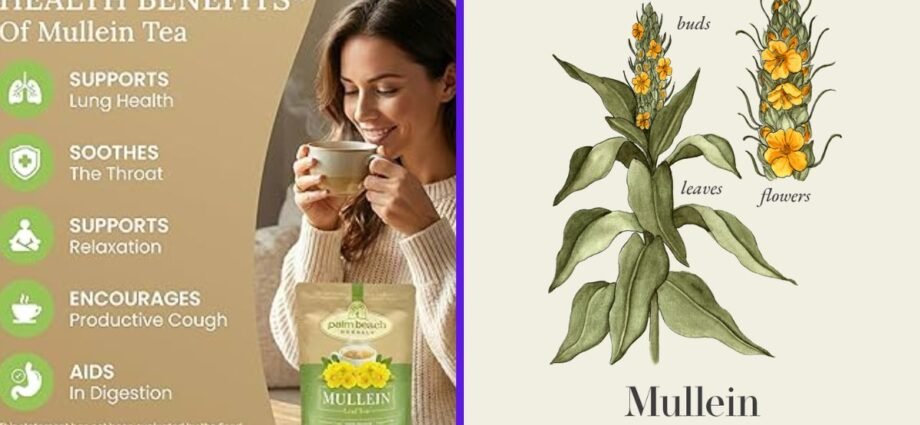
Mullein tea has gained popularity among people looking for natural herbal beverages that may support overall wellness. Made from the dried leaves or bright yellow flowers of the Verbascum thapsus plant, this herbal infusion has been used in traditional medicine for generations. Unlike black or green tea, mullein tea contains no caffeine, making it a suitable option for those who want a calming drink at any time of the day. Many herbal enthusiasts appreciate its mild, earthy flavour and its long history of use for supporting respiratory comfort and soothing throat irritation.
Although modern research is still limited in some areas, mullein continues to be valued as a traditional herbal remedy. Understanding what it is, how it works, and how to prepare it properly can help you decide whether it deserves a place in your daily wellness routine.
What Is Mullein Tea?
Mullein tea is an herbal infusion prepared from the dried leaves, flowers, or sometimes both parts of the mullein plant. This tall flowering herb grows naturally in many parts of Europe, Asia, and North America. It is easily recognised by its soft, fuzzy leaves and tall stalk covered with small yellow flowers. For centuries, herbal practitioners have used mullein in teas, tinctures, and oils because of its reputation for supporting the respiratory system.
The leaves contain naturally occurring compounds such as saponins, mucilage, flavonoids, and antioxidants. These plant compounds are believed to contribute to many of the tea’s traditional uses. Since it contains no caffeine or artificial ingredients, many people enjoy it as part of a healthy lifestyle alongside a balanced diet and proper hydration.
Health Benefits of Mullein Tea
One of the biggest reasons people choose mullein tea is its potential health-supporting properties. Traditionally, it has been used to promote respiratory comfort, especially during seasonal illnesses. The natural saponins found in mullein may help loosen mucus, making it easier for the body to clear the airways. This is why the herb has long been associated with relief from occasional coughs and chest congestion.
Another valuable component is mucilage, a natural substance that creates a soothing coating over irritated tissues in the throat. Many people drink warm mullein tea when they experience temporary throat discomfort because it may provide gentle relief.
The tea also contains antioxidants, including flavonoids and small amounts of vitamin C. These nutrients help protect the body’s cells from oxidative stress and support normal immune function. While mullein tea should not be viewed as a cure for illnesses, its nutritional compounds may complement an overall healthy lifestyle. Many people also find the warm herbal beverage relaxing, making it a comforting choice during cold weather or seasonal changes.
How to Prepare Mullein Tea Properly
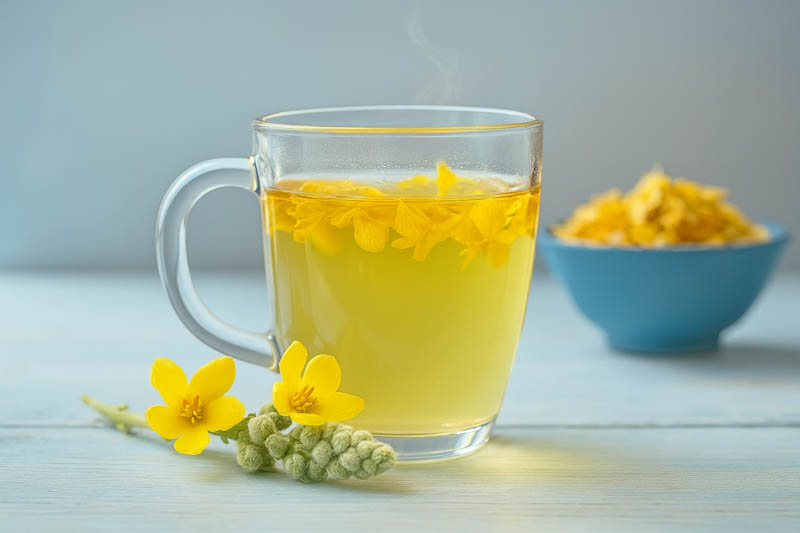
Preparing mullein tea correctly is extremely important because the plant’s fuzzy leaves contain tiny hairs that can irritate the throat if they are not removed during straining. Begin by placing one to two teaspoons of dried mullein leaves or flowers into a mug or teapot. Pour approximately eight ounces of freshly boiled water over the herbs and cover the container to retain the beneficial plant compounds. Allow the mixture to steep for ten to fifteen minutes.
The most important step is filtering the tea thoroughly. Use a fine mesh strainer, a coffee filter, or several layers of cheesecloth to remove the microscopic hairs from the leaves. Proper straining creates a smoother, more pleasant drink and reduces the chance of throat irritation. If desired, add a teaspoon of raw honey or a squeeze of fresh lemon to improve the flavour without overpowering the herb’s natural earthy taste.
Traditional Uses of Mullein Tea
Throughout history, mullein tea has been included in traditional herbal practices across many cultures. Herbalists often recommended it during seasonal colds, mild coughs, and periods of temporary throat discomfort. Some people also enjoyed it after spending time in dusty environments because they believed it helped soothe irritated airways.
In addition to respiratory support, mullein tea has traditionally been consumed as a relaxing evening beverage due to its naturally caffeine-free composition. While these historical uses contribute to its popularity today, it is important to remember that traditional use does not always guarantee scientifically proven effectiveness. More large-scale human studies are needed to confirm many of these long-standing claims.
Possible Side Effects and Safety Considerations
Although mullein tea is generally considered safe for many healthy adults when consumed in moderation, there are still some precautions to keep in mind. The tiny hairs found on mullein leaves can cause throat irritation if the tea is not strained properly. People handling fresh mullein plants may occasionally experience mild skin irritation or contact dermatitis.
Scientific studies involving humans remain limited, so the long-term safety of drinking mullein tea every day has not been fully established. Pregnant women, breastfeeding mothers, young children, and individuals with chronic medical conditions should consult a qualified healthcare provider before adding mullein tea to their routine.
It is equally important to understand that mullein tea is not a replacement for prescription medications. Individuals with asthma, chronic obstructive pulmonary disease (COPD), pneumonia, or other serious respiratory conditions should continue following their healthcare provider’s treatment plan rather than relying on herbal remedies alone.
How to Choose Quality Mullein Tea
The quality of the herbs you purchase plays an important role in both safety and flavour. Look for dried mullein leaves or flowers that appear clean, naturally colored, and free from moisture or mould. Many people prefer organic products to reduce exposure to unnecessary pesticides. Whether purchasing loose herbs or convenient tea bags, always choose products from reputable sellers that clearly label the ingredients. Proper storage is also important. Keep dried mullein in an airtight container away from heat, direct sunlight, and humidity to preserve its freshness and beneficial plant compounds for longer.
Who Can Benefit Most from Mullein Tea?
Many adults choose mullein tea as part of a balanced wellness routine, particularly during seasonal weather changes when temporary throat irritation or mild congestion may occur. People who avoid caffeine often appreciate it as a relaxing evening drink, while herbal tea enthusiasts enjoy exploring its traditional uses. It may also appeal to individuals seeking natural herbal beverages that contain antioxidants and plant-based compounds. However, every person’s health needs are different, so anyone with ongoing respiratory symptoms or chronic illnesses should seek medical advice rather than self-treating with herbal products alone.
Conclusion
Mullein tea continues to attract attention because of its long history in traditional herbal medicine and its reputation for supporting respiratory comfort. Its naturally occurring saponins, mucilage, and antioxidants contribute to its popularity among those seeking caffeine-free herbal beverages. While many people enjoy its soothing qualities, current scientific evidence is still developing, and it should never replace professional medical care for serious health conditions. Preparing the tea correctly by straining it thoroughly is essential for both comfort and safety. When consumed responsibly as part of a healthy lifestyle, mullein tea can be a pleasant herbal drink that combines tradition with natural wellness.
Frequently Asked Questions (FAQs)
1. What is mullein tea used for?
Mullein tea is traditionally used to support respiratory comfort, soothe temporary throat irritation, and help loosen mucus during mild seasonal illnesses.
2. Does mullein tea contain caffeine?
No. Mullein tea is naturally caffeine-free, making it suitable for drinking during the day or before bedtime.
3. Why should mullein tea be strained carefully?
The leaves contain tiny fuzzy hairs that may irritate the throat if they are not removed. Using a fine filter or coffee filter helps produce a smoother and safer cup of tea.
4. Can I drink mullein tea every day?
Many adults consume it occasionally without problems, but because long-term human research is limited, regular daily use should be discussed with a healthcare professional, especially if you have underlying health conditions.
5. Can mullein tea replace medicine for respiratory illnesses?
No. Mullein tea should be viewed as a traditional herbal beverage rather than a medical treatment. It should never replace prescribed medications or professional medical care for serious respiratory conditions.
READ MORE: clocktimes