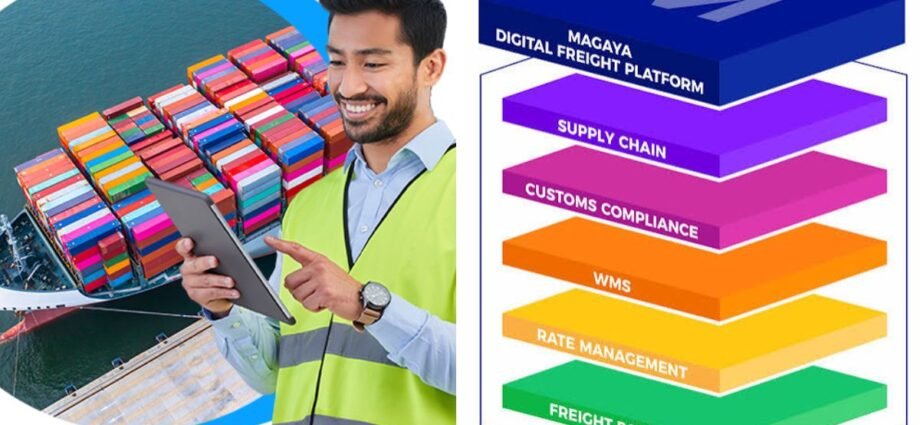
International trade requires careful planning, accurate documentation, and compliance with customs regulations. As shipping volumes continue to grow, businesses are turning to customs broker software to simplify customs processes and improve operational efficiency. By automating routine tasks and organising shipment data, customs broker software helps businesses reduce errors, save time, and manage international shipments with greater confidence.
Whether supporting small import operations or handling large-scale global trade, understanding the benefits of customs broker software can help organisations build a more efficient and reliable customs management process.
What Is Customs Broker Software?
Customs broker software is a digital solution designed to assist with customs documentation, shipment management, and regulatory compliance. It helps organise import and export records, prepare customs declarations, maintain shipment information, and streamline communication throughout the customs process.
Instead of relying on manual paperwork, businesses can use customs broker software to automate documentation, improve record accuracy, and simplify customs-related workflows.
Why Customs Broker Software Is Important
Managing customs procedures manually often increases the risk of delays and documentation errors. Customs broker software provides several important advantages that improve international shipping operations.
Improves Documentation Accuracy
Automated data entry reduces manual mistakes and ensures shipping information remains consistent across all customs documents.
Speeds Up Customs Processing
Organised digital workflows help prepare and submit customs documentation more efficiently, reducing unnecessary delays.
Supports Regulatory Compliance
Maintaining complete and accurate shipment records helps businesses meet customs requirements more consistently.
Enhances Operational Efficiency
Automation allows employees to spend less time on repetitive paperwork and more time managing strategic logistics activities.
Key Features of Customs Broker Software
Modern customs broker software offers several powerful features that improve shipment management.
Centralised Document Storage
Invoices, packing lists, customs declarations, and shipping records can all be stored securely in one location.
Shipment Monitoring
Businesses can track shipment progress and monitor customs processing from a centralised dashboard.
Automated Validation
Built-in validation tools check documentation for missing or inconsistent information before submission.
Reporting Capabilities
Detailed reports help businesses analyse shipment history, maintain compliance records, and improve operational planning.
These features make customs broker software an essential resource for organisations involved in international trade.
Benefits of Using Customs Broker Software

Businesses that implement customs broker software often experience measurable improvements across their logistics operations.
Reduced Administrative Work
Automation minimises manual paperwork, allowing teams to process shipments more efficiently.
Better Data Management
Centralised digital records improve document accessibility and simplify compliance audits.
Increased Shipment Visibility
Real-time shipment tracking provides better insight into customs progress and transportation status.
Greater Consistency
Standardised documentation processes reduce variations between shipments and improve operational reliability.
These advantages help organisations strengthen their international shipping performance.
Best Practices for Implementing Customs Broker Software
Businesses can maximise the value of customs broker software by following a few practical strategies.
Train Employees Thoroughly
Ensure all team members understand software functions and customs documentation procedures.
Keep Information Current
Update shipment records, product classifications, and customs information regularly to maintain accuracy.
Review Documentation Before Submission
Even with automation, reviewing documents before filing helps identify any remaining errors.
Monitor Performance
Track processing times, documentation accuracy, and shipment outcomes to identify opportunities for continuous improvement.
Following these best practices helps organisations achieve greater efficiency with customs broker software.
Common Challenges Without Customs Broker Software
Organisations that rely entirely on manual customs management may face several operational difficulties.
Documentation Errors
Manual data entry increases the likelihood of inaccurate shipment information.
Slower Processing Times
Preparing customs paperwork manually requires additional time and resources.
Poor Record Organisation
Paper-based systems make it more difficult to locate historical shipment records during audits or reviews.
Limited Operational Visibility
Without centralised digital tracking, monitoring customs progress becomes more challenging.
Using customs broker software helps businesses overcome these common obstacles while improving shipment management.
The Future of Customs Broker Software
International trade continues to evolve through digital transformation. Future customs broker software solutions are expected to incorporate greater automation, artificial intelligence, predictive analytics, and enhanced data integration to improve customs operations further.
As customs authorities adopt more digital procedures, businesses using modern software will be better prepared to adapt to changing regulations and maintain efficient shipping processes.
Organisations that embrace technological innovation today will be better positioned for long-term success in global trade.
Conclusion
Efficient customs management is essential for successful international shipping, and customs broker software provides the tools needed to simplify complex customs procedures. From improving documentation accuracy to increasing shipment visibility and reducing administrative workloads, the benefits of digital customs management continue to grow.
By adopting customs broker software, businesses can strengthen compliance, improve operational efficiency, reduce shipment delays, and build a more reliable international logistics process. Investing in effective customs broker software supports smoother trade operations and creates a strong foundation for future business growth.
READ MORE: clocktimes