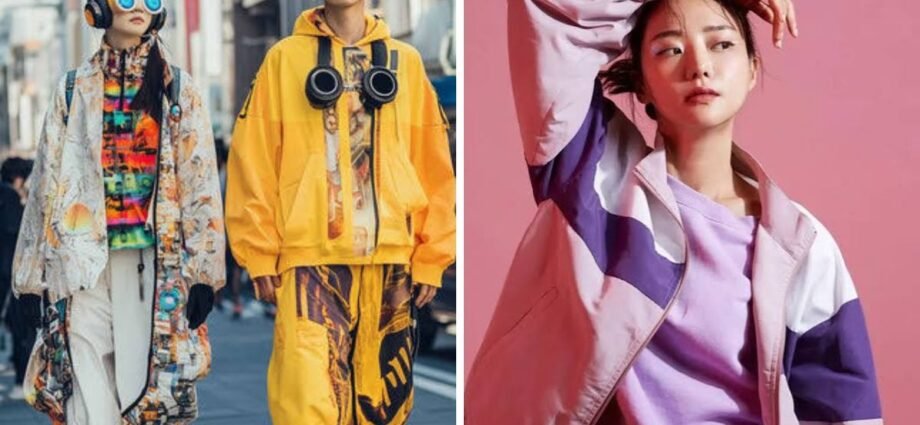
Japanese clothing brands have earned worldwide recognition for their exceptional craftsmanship, creative designs, and unique approach to fashion. Japan’s clothing industry is known for combining traditional techniques with modern technology, creating pieces that are both functional and artistic. From simple everyday essentials to experimental runway collections, Japanese fashion represents a wide range of styles that appeal to different tastes and lifestyles. The popularity of Japanese brands continues to grow because they focus on quality, attention to detail, and originality rather than simply following short-term trends. Whether it is minimalist clothing, heritage denim, luxury streetwear, or innovative designer fashion, Japan has created a powerful identity in the global fashion industry.
The Rise of Japanese Fashion and Its Global Impact
The success of Japanese clothing brands comes from Japan’s deep respect for craftsmanship and design philosophy. Japanese designers often focus on creating clothing that has a purpose, combining comfort, durability, and visual appeal. Unlike fast fashion, many Japanese brands prioritise long-lasting materials and careful construction. This approach has attracted fashion lovers around the world who appreciate clothing that feels personal and meaningful.
Japanese fashion gained international attention during the late twentieth century when designers introduced new ideas about shape, structure, and garment construction. Designers challenged traditional Western fashion rules by creating oversized silhouettes, unusual fabrics, asymmetrical designs, and innovative textures. Today, Japanese fashion continues to influence designers, celebrities, and streetwear communities across the globe.
Uniqlo and the Philosophy of Everyday Comfort
One of the most recognised Japanese clothing brands is Uniqlo, which represents simplicity, practicality, and innovation. The brand’s LifeWear philosophy focuses on creating clothing that improves everyday life through comfort and technology. Instead of producing clothing based only on seasonal trends, Uniqlo develops timeless pieces that can be worn by people of different ages and lifestyles.
Uniqlo became famous for its advanced fabrics, including HEATTECH, which provides warmth during colder seasons, and AIRism, which offers lightweight comfort in warmer weather. Basic T-shirts, jackets, sweaters, and trousers are designed with careful attention to quality and affordability. The brand’s global success proves that minimalist fashion can have a strong impact when combined with smart design.
Muji and the Beauty of Minimalist Design
Muji represents another important side of Japanese fashion. Known for its minimalist aesthetic, Muji creates clothing that focuses on simplicity, natural materials, and everyday functionality. The brand avoids excessive branding and instead highlights the quality of the product itself.
Muji’s clothing collections often feature neutral colours, relaxed shapes, and comfortable fabrics such as cotton and linen. Its approach reflects the Japanese concept of finding beauty in simplicity. For customers who prefer clean and timeless wardrobes, Muji offers clothing that feels calm, practical, and easy to style.
Japanese Streetwear and Heritage Brands
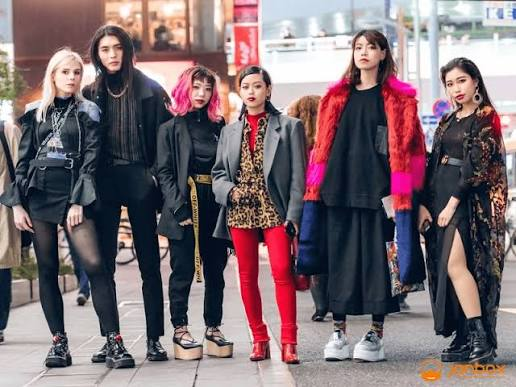
Japan has played a major role in shaping modern streetwear culture. Brands such as BAPE, WTAPS, Neighbourhood, and Kapital have influenced fashion enthusiasts worldwide through unique designs and strong identities. Japanese streetwear often combines elements of military clothing, vintage fashion, workwear, and pop culture.
BAPE, also known as A Bathing Ape, became famous for bold graphics, camouflage patterns, and limited-edition releases. The brand helped introduce Japanese streetwear to a global audience and became a symbol of Harajuku fashion culture.
WTAPS focuses on military-inspired clothing with a strong emphasis on functionality and craftsmanship. Its jackets, trousers, and accessories often feature practical details while maintaining a refined appearance.
Kapital represents Japan’s passion for traditional textile techniques. Famous for denim, patchwork, and boro-inspired designs, Kapital combines historical Japanese craftsmanship with creative modern fashion.
Japanese Avant-Garde Designers and Artistic Fashion
Japanese designers have also transformed high fashion through creativity and experimentation. Brands such as Comme des Garçons, Issey Miyake, Yohji Yamamoto, and Sacai are respected internationally for their artistic approach to clothing.
Comme des Garçons, established by Rei Kawakubo, revolutionised fashion by redefining beauty through unconventional structures, experimental silhouettes, and innovative design concepts. The brand creates garments with unusual shapes, dramatic silhouettes, and conceptual designs that often resemble wearable art.
Issey Miyake became famous for combining technology and fashion through innovative fabric development. The Pleats Please collection is recognised for lightweight, flexible, and wrinkle-resistant clothing that moves naturally with the body.
Yohji Yamamoto is celebrated for his use of black clothing, oversized tailoring, and flowing designs. His work represents a poetic and intellectual approach to fashion that has influenced generations of designers.
Sacai is admired for its creative combination of different materials and styles. The brand often merges contrasting elements, such as sportswear and formal clothing, into unique hybrid designs.
Why Japanese Clothing Brands Are So Popular Worldwide
The popularity of Japanese clothing brands is based on several important qualities. First, Japanese brands often provide exceptional construction and durability. Many consumers appreciate clothing that can be worn for years instead of being replaced quickly.
Second, Japanese fashion offers originality. From minimalist basics to experimental designs, these brands provide alternatives to mainstream fashion. They allow individuals to express personality through clothing while maintaining a strong sense of style.
Another reason for their success is the combination of tradition and innovation. Japanese designers respect historical techniques while using modern technology to create new possibilities. This balance makes Japanese fashion both authentic and forward-thinking.
The Future of Japanese Fashion
The future of Japanese clothing brands looks promising as global consumers continue to value quality, sustainability, and individuality. Many Japanese brands are exploring environmentally responsible materials and production methods while maintaining their commitment to craftsmanship.
As fashion continues to change, Japan’s influence remains strong because its designers focus on creativity rather than temporary popularity. The combination of cultural heritage, technical innovation, and artistic expression ensures that Japanese fashion will continue inspiring the world.
Frequently Asked Questions
1. What makes Japanese clothing brands different from other fashion brands?
Japanese clothing brands stand out because they focus on craftsmanship, innovative materials, and unique design philosophies. Many brands prioritise quality, durability, and thoughtful construction instead of producing disposable fashion.
2. Which Japanese clothing brands are best for everyday wear?
Brands like Uniqlo and Muji are excellent choices for everyday clothing because they offer comfortable, affordable, and minimalist designs suitable for different lifestyles.
3. Are Japanese clothing brands expensive?
Japanese clothing brands range from affordable to luxury. While brands such as Uniqlo provide accessible fashion, designer labels like Comme des Garçons and Yohji Yamamoto are positioned in the premium and luxury markets.
4. Why is Japanese streetwear popular around the world?
Japanese streetwear became popular because of its creativity, limited releases, strong cultural identity, and combination of vintage, military, and modern influences. Brands like BAPE and WTAPS helped shape global street fashion.
5. What are the most famous Japanese designer brands?
Some of the most famous Japanese designer brands include Comme des Garçons, Issey Miyake, Yohji Yamamoto, and Sacai. These labels are internationally respected for their innovative and artistic approach to fashion.
Conclusion
Japanese clothing brands represent a perfect balance between tradition, technology, creativity, and practicality. From minimalist everyday essentials to groundbreaking designer collections, Japanese fashion continues to influence how people understand style and quality. Brands like Uniqlo, Muji, BAPE, Kapital, Comme des Garçons, and Issey Miyake demonstrate the incredible diversity of Japan’s fashion industry. With a strong commitment to innovation and craftsmanship, Japanese clothing will remain an important force globally for years to come.
READ MORE: clocktimes