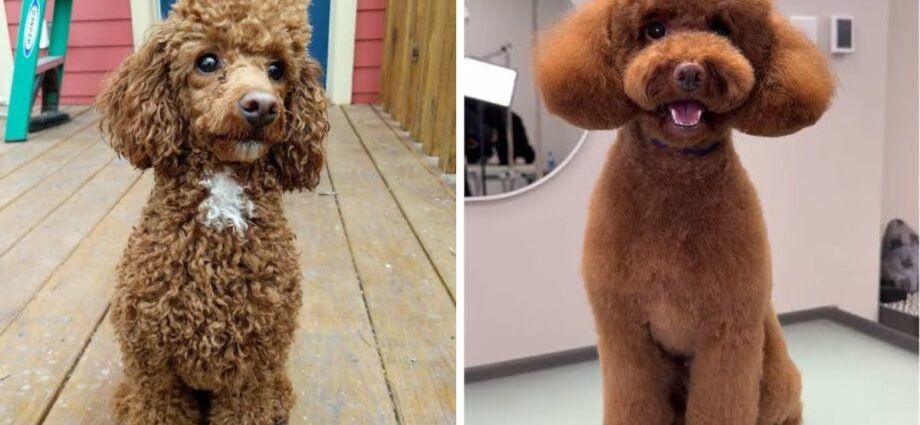
The teacup poodle has become one of the most admired companion dogs thanks to its adorable appearance, remarkable intelligence, and affectionate personality. Although the term “teacup” is widely used, it does not refer to an officially recognised breed but rather to an exceptionally small Toy Poodle. Their tiny size makes them attractive to many dog lovers, especially those living in apartments or looking for a portable companion. However, owning a teacup poodle involves much more than enjoying its charming looks.
These dogs require dedicated care, proper nutrition, regular grooming, and close attention to their health. Because of their delicate build, they can be more vulnerable to injuries and certain medical conditions than larger poodles. Before bringing one home, potential owners should understand both the rewards and responsibilities that come with caring for such a miniature companion. Learning about their temperament, exercise needs, grooming routine, and overall care will help ensure they enjoy a happy, healthy, and comfortable life.
What Is a Teacup Poodle?
A teacup poodle is an extremely small version of the Toy Poodle that has been selectively bred for its tiny size. While kennel organisations recognise Standard, Miniature, and Toy Poodles, the teacup variety remains an unofficial term used by breeders and pet enthusiasts. Most teacup poodles weigh between 2 and 5 pounds and usually stand under 9 inches tall when fully grown. Despite their miniature size, they retain the same intelligence, elegance, and playful personality that make poodles one of the world’s most beloved dog breeds. Their curly coat, expressive eyes, and energetic nature give them a unique charm that appeals to families, seniors, and individuals alike. However, their extremely small size also means they require more careful handling than larger dogs, making them better suited to gentle households where they can be protected from accidental injuries.
Personality and Temperament
One of the biggest reasons people choose a teacup poodle is its outstanding personality. These dogs are incredibly intelligent, making them quick learners that respond well to positive reinforcement training. They enjoy interacting with their owners and often develop deep emotional bonds with their families. Their affectionate nature makes them wonderful lap dogs, while their alertness allows them to act as surprisingly attentive watchdogs despite their tiny size. Teacup poodles are naturally curious and enjoy exploring their surroundings, playing with toys, and participating in family activities.
They generally get along well with children who understand how to handle small dogs gently, and they can coexist peacefully with other pets when introduced properly. Early socialisation is important to help them become confident adults and reduce the likelihood of excessive barking or shyness around strangers. Their combination of loyalty, intelligence, and friendliness makes them excellent companions for people seeking a loving indoor pet.
Grooming and Coat Care
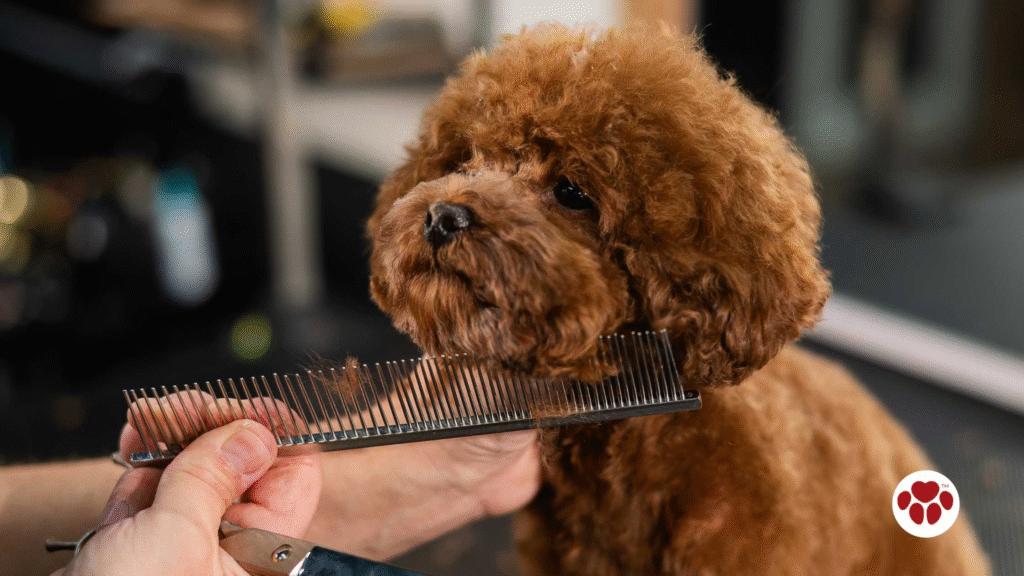
The beautiful curly coat of the teacup poodle is one of its most recognisable features, but it also requires consistent maintenance. Unlike many dog breeds, poodles shed very little, making them a preferred choice for people who want a cleaner home. However, no dog is completely hypoallergenic, and allergy sufferers may still experience reactions. Regular brushing several times each week helps prevent mats and tangles while keeping the coat soft and healthy. Professional grooming every four to eight weeks is recommended to maintain an attractive appearance and prevent skin problems. In addition to coat care, owners should trim the nails regularly, clean the ears to reduce the risk of infections, and brush the teeth frequently because dental disease is particularly common in very small dogs. A consistent grooming routine not only keeps a teacup poodle looking elegant but also supports its overall health and comfort.
Health Concerns and Preventive Care
Although the teacup poodle can enjoy a long life with proper care, its miniature size increases the likelihood of certain health challenges. One of the most common concerns is hypoglycemia, especially in puppies, because their tiny bodies have limited energy reserves. Frequent, balanced meals help reduce this risk.
Their delicate bones also make them susceptible to fractures from relatively minor falls or rough handling. Dental problems are also common in teacup poodles because their tiny mouths often struggle to fit all adult teeth properly, which can result in overcrowding, plaque accumulation, and gum infections. Other conditions that may occur include patellar luxation, eye disorders, tracheal problems, and heart disease. Routine veterinary examinations, vaccinations, parasite prevention, and early health screenings play an important role in detecting issues before they become serious. Responsible breeding practices can also reduce the likelihood of inherited disorders, making it essential to choose breeders who prioritise health over extremely small size.
Feeding and Exercise Requirements
Providing a balanced diet is essential for keeping a teacup poodle healthy throughout its life. High-quality dog food formulated for small breeds supplies the nutrients needed to support healthy growth, energy, and immune function. Puppies often require several small meals each day to maintain stable blood sugar levels, while healthy adults usually transition to two or three measured meals daily. Fresh drinking water should always be available. Because these dogs are very small, overfeeding can quickly lead to obesity, placing additional stress on their joints and heart.
Despite their size, teacup poodles remain active and energetic companions that benefit from regular exercise. Short daily walks, gentle indoor games, and mentally stimulating toys help keep them physically fit and mentally engaged. Excessive jumping or strenuous activity should be avoided to protect their fragile bones and joints from unnecessary injury.
Training and Daily Living
Training a teacup poodle is generally enjoyable because of its exceptional intelligence and eagerness to please. Positive reinforcement methods using praise, treats, and patience produce excellent results while strengthening the bond between dog and owner. House training may require consistency since tiny puppies have smaller bladders and need frequent bathroom breaks.
Teaching basic commands such as sit, stay, come, and leave it improves safety and encourages good behaviour both indoors and outdoors. Puzzle toys, obedience exercises, and interactive games also help satisfy the breed’s natural curiosity and prevent boredom. Since these dogs thrive on companionship, they do not enjoy being left alone for extended periods. Providing daily interaction, affection, and mental stimulation helps prevent anxiety and promotes a confident, happy personality.
Choosing a Healthy Teacup Poodle
Selecting a healthy teacup poodle begins with careful research. Responsible breeders focus on producing healthy, well-socialised puppies instead of advertising extremely tiny sizes as a selling point. Prospective owners should ask to meet the puppy’s mother, observe the living environment, and review veterinary records and health testing for the parents. Puppies should appear active, curious, and clean, with bright eyes and healthy coats. It is equally worthwhile to consider adoption through breed rescues or local shelters, where small poodles and poodle mixes occasionally become available. Whether purchasing or adopting, taking the time to choose a healthy puppy significantly increases the chances of enjoying many happy years together.
Conclusion
The teacup poodle is a delightful companion that combines intelligence, affection, elegance, and playful energy in an incredibly small package. While its charming appearance attracts countless admirers, responsible ownership requires understanding the breed’s unique care needs, grooming requirements, nutritional demands, and potential health concerns. With proper veterinary care, consistent training, regular grooming, and plenty of love and attention, a teacup poodle can become a loyal family member that brings joy for many years. Prospective owners who prioritise health, responsible breeding, and lifelong care will be best prepared to provide this tiny companion with the safe and happy life it deserves.
Frequently Asked Questions (FAQs)
1. How big does a teacup poodle get?
A fully grown teacup poodle typically weighs between 2 and 5 pounds and stands under 9 inches tall, although size varies depending on genetics and breeding.
2. Are teacup poodles good family pets?
Yes, teacup poodles are affectionate, intelligent, and loyal companions. They do best with families who handle them gently and provide consistent care and supervision.
3. Do teacup poodles shed a lot?
No, they have a low-shedding curly coat. However, they require regular brushing and professional grooming to prevent tangles and maintain healthy skin and fur.
4. What health problems are common in teacup poodles?
Common concerns include hypoglycemia, fragile bones, dental disease, patellar luxation, eye disorders, and tracheal issues. Routine veterinary care is essential for maintaining their health.
5. How long does a teacup poodle usually live?
With responsible care, proper nutrition, regular exercise, and preventive veterinary care, a teacup poodle can often live between 12 and 15 years, and some may live even longer.
READ MORE: clocktimes