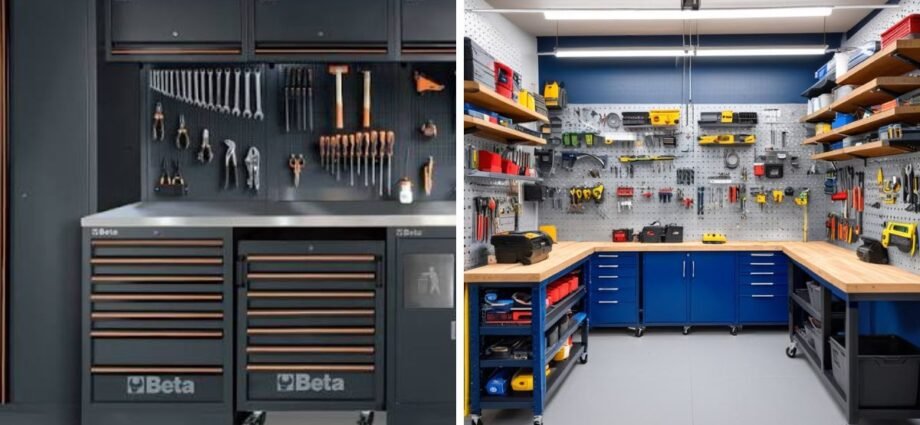
A shop toolkit is the backbone of any functional workshop, whether for home repairs, automotive maintenance, or professional mechanical work. It includes a carefully selected collection of hand tools, measuring instruments, and speciality equipment designed to help users perform tasks efficiently and safely. A well-designed shop toolkit not only improves productivity but also reduces effort, enhances precision, and ensures long-term reliability in every project. In today’s world, having the right set of tools is no longer a luxury but a necessity for anyone who wants to maintain, repair, or build with confidence.
Importance of a Shop Toolkit
A shop toolkit plays a crucial role in ensuring that both small and large tasks are completed without delays or dependency on external help. From tightening bolts to assembling machinery, a reliable set of tools allows users to handle a wide range of repair and maintenance tasks independently. The presence of a structured toolkit also improves safety by ensuring that the correct tool is used for each job, minimising the risk of damage or injury. Moreover, investing in a quality shop toolkit helps save money over time, as it reduces the need for repeated service calls or tool rentals.
Types of Shop Toolkits
A shop toolkit can vary significantly depending on its intended purpose, ranging from basic home-use kits to advanced professional-grade sets. Home toolkits usually focus on essential items such as screwdrivers, hammers, pliers, and a small socket set, making them ideal for everyday repairs. Mechanical or automotive toolkits, on the other hand, include specialised tools like deep socket sets, torque wrenches, and ratchets designed for engine and machinery work. Electrical toolkits often feature insulated tools for safety, while professional workshop kits combine durability and versatility to handle heavy-duty tasks. Choosing the right type of shop toolkit depends on the user’s needs, skill level, and frequency of use.
Essential Components of a Shop Toolkit
A strong shop toolkit typically includes a combination of hand tools, measuring tools, and mechanical accessories that support a wide range of tasks. Common essentials include a socket set, adjustable wrench, screwdrivers of various sizes, hammer, pliers, and a measuring tape. More advanced kits may also include a torque wrench, utility knife, hex key set, and electrical testers. Each tool serves a specific purpose, and together they form a complete system that ensures efficiency and accuracy in work. High-quality tools are usually designed with ergonomics in mind, reducing hand fatigue and improving control during prolonged use. A well-organised shop toolkit allows users to quickly locate tools and maintain workflow without unnecessary interruptions.
How to Choose the Right Shop Toolkit

Choosing the right shop toolkit requires evaluating your specific needs, budget, and the type of work you plan to perform. Beginners should prioritise basic, durable sets that include essential hand tools, while professionals may require specialised kits with advanced mechanical instruments. It is also important to consider durability, material quality, and brand reputation, as these factors directly affect long-term performance. A good toolkit should offer a balance between variety and practicality rather than overwhelming the user with unnecessary tools. Portability and storage design also matter, especially for users with limited workshop space. Ultimately, selecting the right shop toolkit ensures efficiency, safety, and long-term value for any project.
Maintenance and Organisation of Shop Toolkit
Proper maintenance and organisation of a shop toolkit are essential for ensuring long-term performance and reliability. Tools should be cleaned after each use to prevent rust, dirt buildup, and mechanical wear. Lubricating moving parts such as ratchets and hinges, helps maintain smooth operation and extends tool life. A structured storage system, such as labelled compartments or toolboxes, improves accessibility and reduces time wasted searching for equipment. Regular inspection of tools ensures that damaged or worn-out items are replaced promptly. Maintaining a disciplined system not only preserves the quality of your shop toolkit but also improves efficiency and safety in every task.
Common Mistakes When Using a Shop Toolkit
Common mistakes when using a shop toolkit include using the wrong tool for a task, neglecting maintenance, and over-tightening fasteners, which can damage both tools and materials. Another frequent issue is poor organisation, leading to wasted time and reduced productivity. Many users also overlook safety practices such as wearing protective gear or inspecting tools before use. Avoiding these mistakes not only extends the lifespan of your shop toolkit but also ensures safer and more efficient work outcomes.
Conclusion
A shop toolkit is more than just a collection of tools; it is an investment in efficiency, safety, and long-term productivity. Whether used for household repairs, mechanical work, or professional projects, a well-planned toolkit provides the foundation needed to complete tasks with confidence and precision. By selecting high-quality tools, maintaining proper organisation, and following safe usage practices, users can significantly improve their workflow and reduce long-term costs. A reliable shop toolkit empowers individuals to handle a wide range of tasks independently, making it an essential asset for any workshop or garage.
Frequently Asked Questions (FAQs)
1. What is included in a basic shop toolkit?
A basic shop toolkit typically includes essential hand tools such as screwdrivers, a hammer, pliers, measuring tape, an adjustable wrench, and a small socket set. These tools are sufficient for everyday household repairs and minor maintenance tasks. A well-balanced shop toolkit ensures that users can handle common issues without requiring professional assistance, making it a practical investment for homeowners and beginners.
2. How do I choose the right shop toolkit for my needs?
Choosing the right shop toolkit depends on your intended use, skill level, and budget. Beginners should start with basic durable kits, while professionals may require advanced sets with specialised tools. Always consider material quality, durability, and ergonomics to ensure long-term efficiency. A carefully selected shop toolkit enhances performance and reduces unnecessary spending on unused tools.
3. What are the most important tools in a shop toolkit?
The most important tools in a shop toolkit include screwdrivers, pliers, a hammer, a socket set, a wrench, measuring tape, and a utility knife. These tools form the foundation of most repair and maintenance tasks. Depending on the work type, additional tools like torque wrenches or electrical testers may also be necessary for precision and safety in a professional shop toolkit.
4. How can I maintain my shop toolkit properly?
Proper maintenance of a shop toolkit involves cleaning tools after each use, lubricating moving parts, and storing them in a dry, organised space. Regular inspection helps identify damaged tools early, ensuring timely replacement. Good maintenance practices extend the life of your shop toolkit and maintain consistent performance across all tasks.
5. Why is a shop toolkit important for home and workshop use?
A shop toolkit is important because it provides the essential tools needed to perform repairs, maintenance, and assembly tasks efficiently. It eliminates dependency on external help and saves time and money. A well-organised shop toolkit also improves safety and productivity, making it a valuable asset for both home users and professional workshop environments.
READ MORE: clocktimes